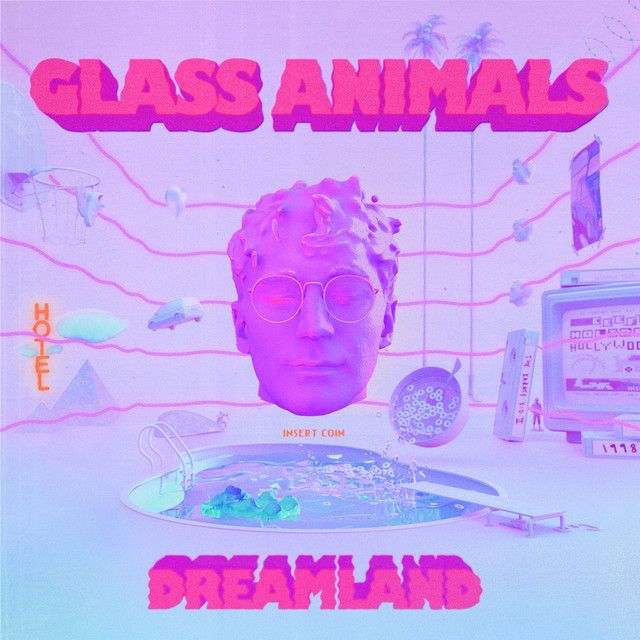
Helium by Glass Animals
The meaning of Helium Glass Animals comes down to a painful contradiction: they describe a relationship that feels beautiful in the moment but unstable at its core. The song sounds light and dreamy, yet the words keep returning to guilt, divided loyalty, and the sense that this connection was damaged from the start.
"Helium" - Glass Animals
You gonna call it or am I?
One more time
Loading lyrics...
Unable to load lyrics
We're unable to display the lyrics at this time. Please try again later.
As a closing track on How to Be a Human Being, released in 2016 by Glass Animals, the song fits the album’s larger interest in flawed people and messy inner lives. Dave Bayley, the band’s frontman and primary songwriter, is widely credited as the creative center of the group, and they are known for mixing intimate lyrics with unusual, tactile production details. Those broader facts come from the band’s official album materials and major music databases.
A Romance That Floats and Falls
At the heart of “Helium,” they seem to tell the story of someone caught in a relationship that can never fully belong to them. The speaker wants more than a casual thrill, but they realize the other person is still emotionally attached elsewhere. That is why the song keeps balancing pleasure with alarm.
A key line of thought appears in the admission I want you more
. In plain terms, the speaker is surprised by their own feelings. What may have started as flirtation or a secret escape grows into something deeper, and that deeper feeling becomes the problem.
The next emotional turn is even sharper. When they recognize that part of the other person is still “at home” with someone else, desire changes into heartbreak. Interpretation: the song is not just about wanting someone unavailable; it is about realizing too late that intimacy does not erase outside commitments.

Watch the official Helium
music video
Why “Helium” Is the Perfect Title
The title image gives the song its main metaphor. Helium makes balloons rise, drift, and slip out of reach. In the lyric image of Helium balloons
, they present love as something visually lovely but hard to hold.
That matters because the relationship in the song does not feel grounded. Even in broad daylight
, when things should look clear, the couple still seems emotionally confused. The song suggests that truth is visible, yet neither person can make the situation solid.
There is also a strong contrast between upward motion and collapse. Balloons float up, but foundations sink. That clash tells listeners this love feels elevated in the short term while falling apart underneath.
The Song’s Most Important Symbols
Rain, Dust, and Crumbling Ground
The imagery is full of things that should be stable but are not. The other person lifts their eyes from the dust
, which suggests exhaustion, damage, or a relationship already buried in trouble.
Then the song moves into bigger images: white pyramids, sinking sand, and crumbling foundations. Those are ancient, heavy symbols, and they contrast with the lightness of helium. Interpretation: this may be Bayley’s way of asking whether any relationship built on secrecy can last, no matter how intense it feels.
That question becomes almost explicit when the song wonders whether the relationship was doomed because it began with “zero innocence.” Paraphrased, the speaker fears the origin story itself has poisoned everything that follows.
Beauty With a Flaw
One of the song’s strongest images compares the relationship to a perfect jewel marked by one fatal problem. The phrase blood diamond
captures the whole moral conflict in two words.
The love is attractive, rare, and dazzling. But its beauty comes with harm attached. The speaker is no longer able to enjoy the shine without seeing the cost.
What the Chorus Reveals
The repeated idea in the chorus is not simple jealousy. It is recognition. They finally understand that the relationship cannot be complete because the other person is divided.
Later, the accusation you don’t want me
shifts the tone from longing to clarity. The speaker starts to see that the other person may only want the secrecy, thrill, or memory of hidden places, not a real future together.
That makes the ending especially sad. What felt mutual now seems one-sided, or at least uneven in seriousness.
How the Sound Deepens the Meaning
Musically, “Helium” is gentle, airy, and suspended. The production style associated with Glass Animals often uses soft electronic textures, close vocals, and subtle rhythmic movement, and this track leans into that floating quality. Even without dense instrumentation, the atmosphere feels rich.
That matters because the sound does not fight the fantasy; it lures listeners into it. The music lets the relationship feel warm and weightless before the lyrics reveal how unstable it is. Interpretation: the production itself acts like helium, lifting the emotion while the words point to collapse.
The phone-call fragment at the end also adds something important. It breaks the dream state with a sudden human interruption, almost like reality cutting through obsession.
A Wider Reading of the Meaning of Helium Glass Animals
One possible reading is literal: a song about an affair or near-affair that becomes emotionally serious. Another is broader: they may be using one relationship to explore a pattern of wanting what is impossible, then confusing intensity with truth.
Either way, the meaning of Helium Glass Animals rests in tension. The song is about attraction that rises fast, shines brightly, and cannot stay afloat because its base is already cracked.
Why the Song Still Connects
“Helium” endures because it captures a common emotional trap. People often realize the true weight of a relationship only when they see its limits. Glass Animals turn that moment into something vivid: floating balloons above a romance that cannot stand.
That mix of softness and damage is why the song lands so strongly. It does not present love as simple or pure. It shows how beauty and wrongness can exist in the same breath.
Disclaimer: This article offers interpretation based on the lyrics, known artist context, and the recording itself. Since songs can hold multiple meanings, other readings may also be valid.









