Why ‘Waterfalls Coming Out Your Mouth’ Feels So Dizzy
The meaning of Waterfalls Coming Out Your Mouth Glass Animals becomes clearer once they stop treating it like a random pile of cool images. Beneath the neon clutter, the song sounds like a portrait of someone who is magnetic, funny, trendy, and deeply hard to read.
"Waterfalls Coming Out Your Mouth" - Glass Animals
Gimme what you got
Your talk
Loading lyrics...
Unable to load lyrics
We're unable to display the lyrics at this time. Please try again later.
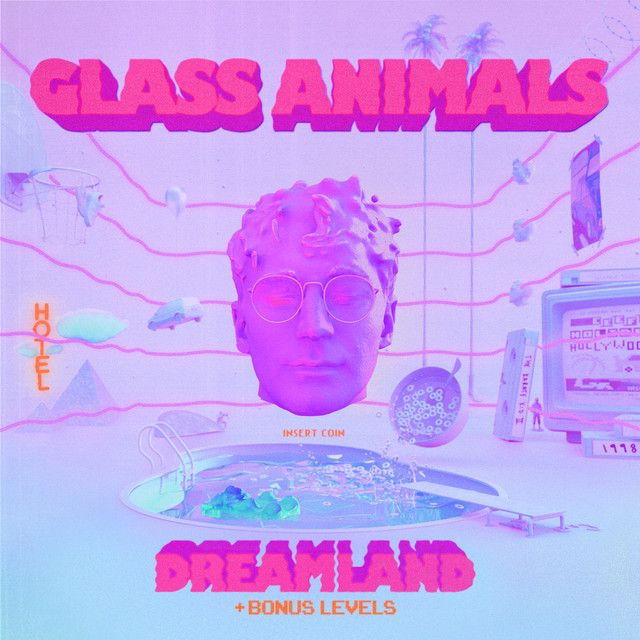
Glass Animals often build songs out of sensory details, and this track leans into that style. Released on Dreamland in 2020, the song sits inside an album that explores memory, identity, and modern life through collage-like writing and glossy production. That broader context matters: this is not nonsense for its own sake. It is a deliberate overload.
The Song’s Core Idea Hides Inside the Chaos
At the center, the speaker seems fascinated by a person whose talk is, in their words, incredible
and so unusual
. But fascination is only half the story. They are also trying to figure out what is real and what is performance.
That tension shows up again and again. The speaker keeps listing brands, snacks, drinks, TV references, and internet-age textures, almost as if this person is made of aesthetic fragments instead of a stable identity. When they ask where the “real you” is, the song stops feeling like pure flirtation and starts sounding like a critique.
Interpretation: the song is about being drawn to someone whose personality is vivid but overly constructed. They are exciting to watch, yet emotionally slippery.

Watch the official Waterfalls Coming Out Your Mouth
music video
A Flirtation That Starts as Fun and Turns Uneasy
Early on, the speaker sounds thrilled. They describe the other person in bright, exaggerated ways, using surreal comparisons and sensory jokes. Even a line like you taste like surfing videos
suggests that this attraction is filtered through media, nostalgia, and image rather than direct connection.
Then the tone shifts. The speaker starts asking who this person is really hiding, accusing them of staged shyness and noticing how carefully curated their coolness feels. The song keeps bouncing between desire and doubt.
Who Is Speaking Here?
The lyrics use direct address, so the song feels intimate and confrontational at once. The speaker is not talking about a distant figure. They are locked in a live reaction to someone in front of them, trying to decode them in real time.
That is why the repeated question near the end hits so hard. It suggests that both people may be caught in a relationship, party, or social dynamic that looks exciting but feels hollow.
Why the Chorus Changes the Meaning
The title phrase, waterfalls coming out your mouth
, is one of the track’s most striking images. It suggests excess: too many words, too much feeling, too much performance pouring out at once.
Right after that image, the song asks what they are even doing. That pairing matters. The flood of language is not just attractive; it is exhausting and destabilizing. The same person who dazzles the room may also be falling apart under the weight of their own act.
Waterfalls tearing you apart
What the hell are we doing now?
In that moment, the song stops being playful and becomes disoriented. The hook turns the verses into a warning: endless style and chatter cannot prevent collapse.
Symbols, Snacks, and Pop-Culture Debris
One reason this song feels so vivid is its chain of odd little objects. Cheap drinks, old products, cartoon references, and flashy fashion details create a world that feels both nostalgic and artificial. These details are not random decoration.
They do at least three jobs:
- They make the person seem trendy and hyper-specific.
- They suggest a mind shaped by consumer culture and media.
- They blur the line between genuine selfhood and costume.
When the song mentions things that feel childish, retro, or internet-ready, it hints at “fake youth,” emotional regression, or a desire to stay in an image-friendly state forever. Interpretation: this may be why the speaker sounds both amused and frustrated. They enjoy the spectacle, but they no longer trust it.
How Glass Animals’ Sound Carries the Message
Production is a big part of the meaning. Glass Animals are known for their textured pop built from electronic beats, clipped vocals, and strange sonic details, a style heard across Dreamland and discussed around the album’s release by Republic Records and major music outlets like NME and Billboard.
Here, the music feels fizzy, fast, and sugar-rushed. The beat never settles for long, and the vocal delivery has a playful bite. That bright surface mirrors the person in the lyrics: instantly appealing, full of references, and a little overwhelming.
The production also helps explain why the song can sound fun even when its message is uneasy. They are hearing attraction and critique at the same time.
Artist Context Makes the Song Easier to Read
Glass Animals frontman Dave Bayley wrote the song, and Dreamland was widely presented as an album about memory, personal snapshots, and the strange blur between lived experience and media-soaked identity, as noted in album coverage from Atlantic Records and interviews with Bayley in outlets such as DIY and The Line of Best Fit.
That context supports this reading. “Waterfalls Coming Out Your Mouth” fits the album’s interest in people as collages—part memory, part fantasy, part performance. Instead of offering a clean narrative, it gives listeners a sensory pileup that feels like scrolling through someone’s personality.
The Best Way to Understand the Ending
The best reading is simple: the song captures the thrill and confusion of being around someone who is all surface motion and mixed signals. They are charismatic enough to pull the speaker in, but not grounded enough to make intimacy feel safe.
So the meaning of Waterfalls Coming Out Your Mouth Glass Animals is not just about a quirky person. It is about modern overstimulation, image-making, and the moment attraction turns into doubt.
Disclaimer: This interpretation is based on the lyrics, production, and public album context. As with many Glass Animals songs, some ambiguity is intentional, so listeners may hear different meanings in the same images.









