Wyrd by Glass Animals: Meaning in the Mud
The meaning of Wyrd Glass Animals is not simple on first listen. The song sounds playful, swampy, and weird, but underneath that fantasy world sits a darker idea: someone is trapped, someone else has failed them, and guilt turns the whole scene into a dreamlike nightmare.
"Wyrd" - Glass Animals
Squish squirmies in your nose
Tree hairs in your eyes
Loading lyrics...
Unable to load lyrics
We're unable to display the lyrics at this time. Please try again later.
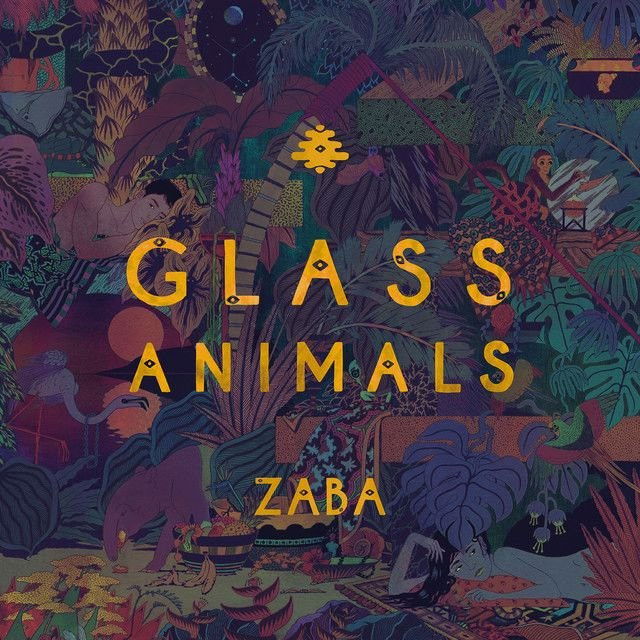
“Wyrd” appears on ZABA, the 2014 debut album by Glass Animals, a record widely described as humid, organic, and jungle-like in sound. The band’s frontman and songwriter Dave Bayley has discussed how the album was built as a vivid world of creatures, textures, and half-real images, which fits this song’s muddy setting and strange language. Factually, Bayley is credited as the writer, and the track belongs to the band’s early alternative/indie-leaning sound.
The Song’s Core Idea Hides Inside a Fable
At its center, the song feels like a twisted story about abandonment. The lyrics introduce a small creature-like figure, then place them in a dangerous underground space filled with darkness, slime, smoke, and echo. That childlike imagery makes the scene feel almost like a bedtime story gone wrong.
Interpretation: the narrator seems to be speaking to a vulnerable companion they could not protect. The repeated plea don’t go
sounds emotional, but it clashes with the cruel confession I sold your rope
. That contrast is the key to the song. They want the other figure to stay alive or stay close, yet they also admit betrayal.
This is what gives “Wyrd” its bite. It is not just surreal for the sake of being surreal. The nonsense textures and creature words mask a story about responsibility, loss, and self-disgust.

Watch the official Wyrd
music video
Who Is Speaking in “Wyrd”?
The narrator sounds unstable from the start. They notice tiny physical details, describe a hidden space, then move into panic and blame. The voice feels close enough to care, but selfish enough to do harm.
That makes the relationship hard to define. It could be between friends, lovers, or even two parts of the same mind. When the song says our time is done
, it frames the bond as something broken beyond repair.
Interpretation: one strong reading is that the song dramatizes guilt after letting someone down. The rope image matters because a rope is rescue, connection, and escape. If the narrator traded that away for something trivial, then the song becomes a confession wrapped in fantasy language.
The Strange Images Serve a Real Emotion
Glass Animals often write in sensory detail, and “Wyrd” is full of dirt, tunnels, breath, slime, lanterns, and animal-like movement. None of that feels random. The world is damp and enclosed, as if the song takes place inside fear itself.
A short stretch of lyrics captures that suffocating atmosphere:
It’s all dank and gross
Slugs on shrooms bubble smoke
Even here, the point is less literal than emotional. The gross-out imagery creates a place where escape feels impossible. Everything is decayed, slow, and warped. The setting mirrors the narrator’s state of mind.
Another vivid phrase, your own splash echoes
, adds to that trapped feeling. It suggests a cave or pit where every movement comes back louder. In other words, there is no clean exit and no silence from consequences.
How the Chorus Sharpens the Meaning
The song’s central refrain is blunt and threatening. It tells the listener that hiding is the only option and returning is unlikely. That is a major shift from the earlier plea for someone not to leave.
This is where the meaning of Wyrd Glass Animals becomes especially interesting. The chorus does two things at once:
- It sounds like a warning to the trapped figure.
- It also sounds like the narrator talking to themselves.
Interpretation: if read psychologically, the chorus becomes self-judgment. The narrator may be replaying a moment of failure and turning it into a punishment fantasy. They are not only describing doom; they are sentencing themselves to live inside it.
Sound and Production: Why It Feels So Swampy
Part of the song’s meaning comes from its sound design. Early Glass Animals tracks often use soft percussion, deep bass, layered vocals, and sticky textures that feel almost physical. “Wyrd” moves in a slow, creeping way, which makes the listener feel the heaviness of the environment.
The vocals are especially important. Bayley often delivers lines in a hushed, breathy style, which makes even the strangest images feel intimate. Then the repeated vocal phrases build a hypnotic loop, almost like panic muttering in the dark.
That production choice supports the lyrics. Instead of giving the song a sharp rock edge, the band lets it ooze forward. The result is less like a clear story and more like being swallowed by one.
Two Strong Readings of the Song
There is no single confirmed narrative, so it helps to separate fact from interpretation.
Interpretation One: A betrayal story
In this reading, the narrator failed a friend or partner in a crucial moment. The rope stands for help, trust, or loyalty. The grotesque cave world turns guilt into a fairy-tale punishment.
Interpretation Two: An inner breakdown
Here, the “vole” or companion figure is part of the narrator’s own self. The song stages a split between the part that is frightened and the part that sabotages survival. The childish language then makes sense as a regression into a confused, fearful mental space.
Both readings fit because the song never locks itself into one plain plot. That open design is part of its power.
Why “Wyrd” Still Sticks With Listeners
“Wyrd” is memorable because it balances beauty and ugliness. It uses cute sounds, strange creatures, and sticky textures to smuggle in ideas about guilt, abandonment, and irreversible choices. They make the listener lean closer, then realize the song is much darker than it first seemed.
For many listeners, that is the real appeal of Glass Animals at their best. They build a world so specific that it feels unreal, then fill it with emotions that are very real.
Disclaimer: This article offers informed interpretation based on the recording, lyrics, and known artist context. Because Glass Animals often write impressionistically, different listeners may reasonably hear different meanings in “Wyrd.”








