Why Glen Campbell's 'Country Boy' Still Hits
The meaning of Country Boy (You Got Your Feet In L.A.) Glen Campbell comes down to one lasting tension: outward success versus inner belonging. The song tells the story of someone who has made it in the city, built a life, and gained status, yet still feels pulled back toward an older, more honest self.
"Country Boy (You Got Your Feet In L.A.)" - Glen Campbell
Ain't never been my idea of gettin' it on
But the job demands that you make new plans
Loading lyrics...
Unable to load lyrics
We're unable to display the lyrics at this time. Please try again later.
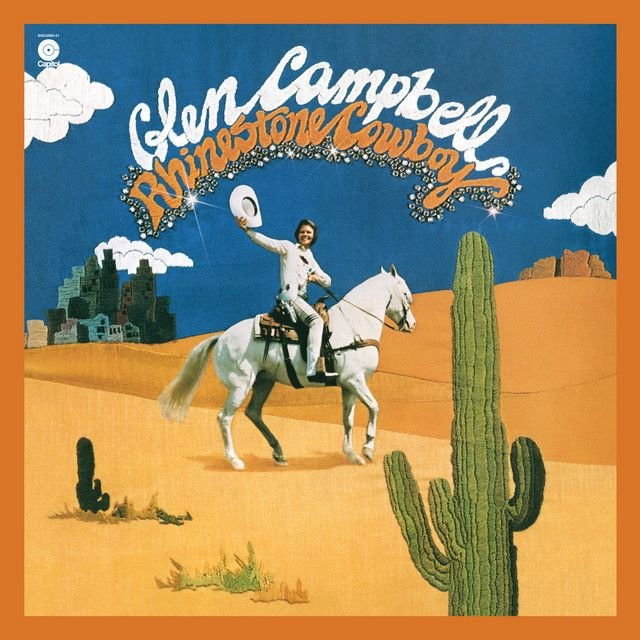
That conflict fit Glen Campbell unusually well. By the mid-1970s, they were one of country-pop's biggest crossover stars, and songs like "Rhinestone Cowboy" had already turned fame, ambition, and image into part of their public story. That 1975 hit was produced by Dennis Lambert, Brian Potter, and Campbell, and it became a major pop-country crossover success in the U.S. Source. So when Campbell later sang about living in Los Angeles while mentally drifting back home, listeners heard more than a character sketch. They heard a familiar pressure inside the star system itself.
A Song About Success That Doesn't Feel Settled
On the surface, the narrator has everything people are told to want. They have work, contacts, a nice house, and the promise that they will go far
. But the song keeps undercutting that dream. Each sign of progress also feels like a sign of disconnection.
The verses describe a routine built around business and appearances. There are calls to make, people to meet, and social circles that are supposed to prove the good life is here. Yet the repeated inner questions suggest that none of it lands with real peace. The song is not denying success. It is asking whether success can become a costume.
Interpretation: That is why the title image is so strong. Their feet are in one place, but their identity is somewhere else. Los Angeles stands for career machinery; Tennessee stands for roots, memory, and self-recognition.
Watch the official Country Boy (You Got Your Feet In L.A.)
music video
The Chorus Turns Geography Into Emotion
The chorus gives the song its emotional map. In the key line feet in L.A.
, the body is planted in the world of work and image. In mind's on Tennessee
, the imagination and loyalty remain somewhere more personal.
That split matters because the song does not frame home as only physical. Tennessee becomes a symbol of values. It holds the memory of a time when they sang my songs for free
, which suggests an earlier stage of making music for love, not obligation.
Take a look at everything you own
But now and then, my heart keeps goin' home
Those lines sum up the song's point. Possessions can be counted, but home is felt. The narrator can measure success in things, yet still fail to measure what has been lost.
How the Verses Build That Restlessness
The first verse presents the basic problem quickly. City life was never the dream, but work required compromise. That idea makes the song more mature than a simple homesick ballad. The narrator is not trapped by accident; they helped build this life because the opportunity mattered.
The second verse sharpens the cost. The language around phones, schedules, and staying current paints a world of constant motion. Even friendship feels professionalized. They are surrounded by people, but still isolated enough to ask whether this life is really what it's all about
.
This is where Campbell's delivery matters. They do not sing the lyric with rage. The tone is weary, reflective, and almost conversational. That restraint keeps the song from turning melodramatic. Instead, it sounds like a private doubt surfacing in public.
Why Glen Campbell Was the Right Voice
Factually, the song was written by Dennis Lambert and Brian Potter, not Campbell. But artist context still shapes meaning. Campbell's career often lived between Nashville identity and Los Angeles polish, between country storytelling and mainstream pop production. That made songs about image, ambition, and distance especially believable in their voice.
Lambert and Potter were central figures in Campbell's mid-1970s work, including Rhinestone Cowboy and other crossover material Source. That background matters because Country Boy (You Got Your Feet in L.A.) sits in the same broad emotional world: what happens after the dream starts coming true?
The Sound: Soft, Polished, and Slightly Lonely
Production-wise, the song uses a smooth country-pop frame rather than a rough honky-tonk one. That choice is meaningful. The polished arrangement mirrors the polished life the lyric questions.
Instead of sounding wild or rebellious, the record sounds controlled. The rhythm moves steadily, the melody stays accessible, and Campbell's vocal carries most of the emotional weight. The result is a subtle irony: the music sounds successful, while the words wonder whether success has gone too far.
Interpretation: That contrast may be the song's smartest move. It lets listeners feel the comfort of the life being criticized. The song does not just tell them the city is seductive; it makes that seduction audible.
A Bigger American Theme Beneath the Story
Part of the song's durability comes from how American its conflict feels. It is about migration, reinvention, and the price of climbing. Many listeners may never have lived in Los Angeles, but they know the feeling of leaving one world for another and then wondering what part of themselves got left behind.
That is why the song remains more than a regional anthem. It is not simply country versus city. It is self versus role, memory versus momentum, belonging versus achievement.
Final Take on the Song's Meaning
The meaning of Country Boy (You Got Your Feet In L.A.) Glen Campbell is that success can create a divided self. The narrator has reached a place many people admire, but their heart still answers to an earlier home and a more grounded identity.
In that sense, the song is not anti-fame. It is pro-honesty. It asks a simple, unsettling question: if a person gets everything they chased, do they still recognize who got it?
Disclaimer: This interpretation blends documented context with informed reading of the lyrics and performance. Meanings can vary from listener to listener.








