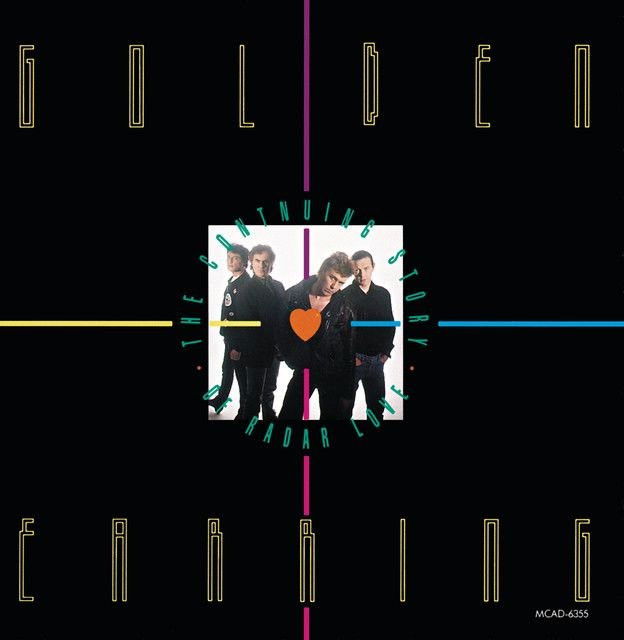
Twilight Zone by Golden Earring
The meaning of Twilight Zone Golden Earring starts with a simple but gripping setup: a man in a hotel room realizes he may not survive the night. On the surface, the song plays like a spy thriller. Underneath, it also works as a story about guilt, fear, and the instant when consequences become real.
"Twilight Zone" - Golden Earring
Starting to realize that eternal fate has turned its back on him
It's two A.M.
Loading lyrics...
Unable to load lyrics
We're unable to display the lyrics at this time. Please try again later.
Released in 1982 as a single from Cut, the track was written by George Kooymans and became one of Golden Earring's biggest international hits, reaching No. 10 on the US Billboard Hot 100 and No. 1 on Mainstream Rock, helped by early MTV exposure. Those facts are widely documented in reference sources such as Wikipedia and Songfacts.
A Spy Plot With Panic at Its Center
The song opens with a cinematic image: a lonely room, late at night, and a man who senses that fate has turned on him. That matters because the lyrics do not describe a normal breakup or vague sadness. They sketch a high-pressure situation involving violence, waiting, and failed contact.
Short phrases like two A.M.
and the gun still warm
suggest that something has just happened. The character seems to have completed a mission, but now he is stranded and unsure whether his allies will protect him. When the lyrics mention a double crossed messenger
, the betrayal becomes hard to miss.
Interpretation: Most listeners hear this as a rogue-agent story. The song's known inspiration supports that reading: Kooymans drew from Robert Ludlum's The Bourne Identity, not the old TV show with the same title. That context helps explain the song's world of pursuit, coded contact, and danger.

Watch the official Twilight Zone
music video
Why the Chorus Feels Bigger Than the Plot
The chorus is where the song stops being only a thriller and becomes something more universal. When the singer cries steppin' into the twilight zone
, he is not just changing locations. He is crossing into a mental and moral borderland.
That is why the hook feels so strong. The "twilight zone" is a place between control and collapse, confidence and terror, life and death. The line about a moved beacon suggests lost guidance. In plain terms, the character no longer knows where safety is or who to trust.
Help, I'm steppin' into the twilight zone
Place is a madhouse, feels like being alone
This is the song's only real plea for rescue, and it lands because everything around it feels unstable. The world has not just become dangerous. It has become unreadable.
The Story Unfolds in Three Sharp Moves
A clear way to read the lyrics is as a short noir film:
- After the act: The man is alone, armed, and waiting.
- During the spiral: His thoughts race, his contacts fail, and paranoia rises.
- At the reckoning: He realizes he has been cheated and that a hitman is coming.
The shift from first-person panic to a more distant description is especially effective. Early on, the song traps listeners inside the character's nerves. Later, it almost watches him from outside, as if his fate is already sealed.
That change gives the song a cold edge. It is not only about fear in the moment. It is about the helpless feeling of seeing the trap too late.
What “Bullet Hits the Bone” Really Means
The repeated phrase bullet hits the bone
is the song's hardest image. In the story, it points to literal violence and the certainty of a deadly outcome. The words are blunt on purpose.
Interpretation: The phrase also works as a metaphor for reality hitting with full force. This is the instant when excuses vanish. A person finally understands what their actions cost.
That double meaning is part of why the song lasts. Even listeners who do not focus on the spy narrative can still connect to the idea of a final reckoning. It is the moment when denial ends and truth becomes physical.
How the Sound Builds a Cold, Neon Mood
Golden Earring's arrangement is a huge part of the meaning. The riff comes in with tight, pulsing force, while the rhythm section keeps the track moving like a chase scene. Synth textures add a sleek early-'80s sheen without softening the tension.
The vocal split also matters. Kooymans and Barry Hay trade and layer parts in a way that makes the song feel fractured, almost like multiple points of view inside one crisis. Hay's spoken intro adds extra drama, while the full-band push in the chorus turns private fear into something massive.
This blend of rock muscle and new wave atmosphere is why the track feels cinematic. It sounds like headlights, wet streets, surveillance, and adrenaline.
The Video Strengthened the Meaning
The music video, directed by Dick Maas, made the espionage angle even clearer. It presents Barry Hay as an agent figure caught in a web of pursuit and betrayal, echoing imagery from the Cut album art. MTV played the clip heavily, which helped the song break through in the United States.
That visual story did not invent the song's meaning, but it guided how many people heard it. Instead of treating the lyrics as abstract mystery, audiences could see the double-cross, chase, and fatal setup in action.
Final Take on the Song's Meaning
So what is the meaning of Twilight Zone Golden Earring? Factually, it is a 1982 rock hit inspired by The Bourne Identity and framed as an espionage story. Interpretation: emotionally, it is about the terrifying second when a person realizes they have gone too far and can no longer find the way back.
That mix of thriller detail and existential dread is what gives the song its staying power. It is exciting on the surface, but unsettling underneath.
Disclaimer: This interpretation separates documented background from critical reading. Like many songs, "Twilight Zone" supports more than one meaning, and listeners may hear different emotional layers in it.









