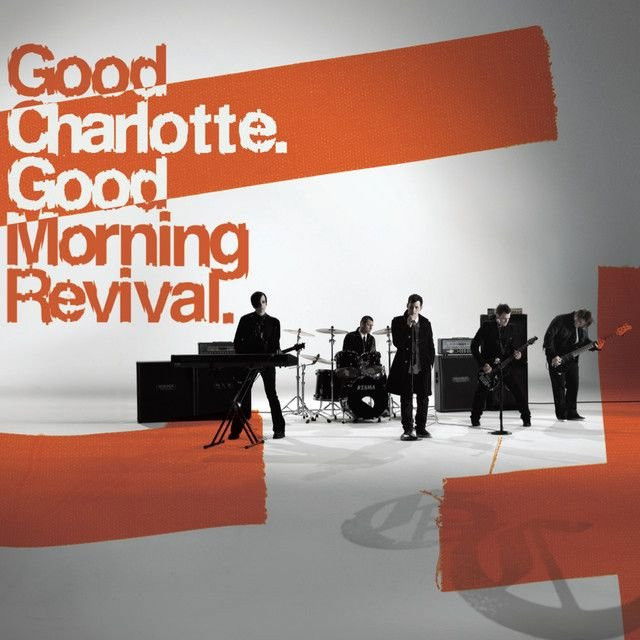
Why 'The River' Shows Good Charlotte at Their Darkest
Good Charlotte built their name on pop-punk songs about outsiders, pressure, and survival. But the meaning of The River Good Charlotte goes deeper than rebellion. This 2007 single turns toward confession. It looks at Los Angeles as a place of beauty, fame, and moral danger, then asks whether a person can come back from what that world does to them.
"The River" - Good Charlotte
The footsteps that were next to me have gone their separate ways.
I've seen enough nowto know that beautiful things don't always stay that way.
Loading lyrics...
Unable to load lyrics
We're unable to display the lyrics at this time. Please try again later.
From a big-picture view, the song is about sin and redemption. It places a troubled narrator in a city that promises light but often hides something darker. By the end, the speaker is not bragging about surviving. They are asking to be changed.
The Real Story Hiding Inside the Hook
On the surface, “The River” sounds like a dramatic rock song about LA. But its core message is spiritual. The verses describe disillusionment: people leave, beauty fades, and the dream city is not what it seemed. Then the chorus changes the focus from observation to confession.
The key image is baptized in the river
. The song is not only talking about a literal place. It uses baptism as a symbol of cleansing and rebirth. The narrator admits guilt, wants forgiveness, and hopes for a way back to something true.
Interpretation: the river stands for both the real Los Angeles River and an inner turning point. The city has stained the speaker, but the same image of water becomes a hope for renewal.
Watch the official The River
music video
Los Angeles as a Beautiful Trap
One reason the song still connects is how sharply it describes LA. The opening alludes to Psalm 23 by changing the famous line into the shadow of LA
. That twist matters. Instead of a sacred valley, the song gives listeners a modern landscape of fame and temptation.
The next ideas push that theme further. Friends drift away. Beautiful things do not last. A place sold as magical turns out to be incomplete. The line about evil appearing like a city of angels
is the clearest summary of the track’s tension. Los Angeles is both dream and warning.
This reading matches commentary collected by Songfacts, which describes the song as one about sin and redemption moving through the dark side of Los Angeles. The music video reinforces that idea by placing the band at the concrete LA river while contrasting glamour with the city’s harsher side, as summarized by Wikipedia.
Biblical Images Drive the Meaning
The song’s strongest writing choice is how openly it uses biblical language without turning into a sermon. It pulls from at least three major ideas:
- Psalm imagery — the opening echoes the “valley of the shadow” line.
- Baptism — water becomes a sign of cleansing and rebirth.
- The prodigal son — the speaker has gone astray and now wants to return.
The phrase prodigal son
matters because it adds more than guilt. In that parable, return is possible. A person can waste years, make terrible choices, and still come home.
Like the prodigal son,
trying to find my way back home.
That is the emotional center of the song. It is not just about falling. It is about turning around.
A Confession, Not a Victory Lap
Many rock songs about cities frame bad behavior as exciting. “The River” does the opposite. The narrator says, in effect, that they have done real harm and can no longer romanticize it. Phrases like I'm a believer
and wanna be delivered
make the chorus sound like a plea, not a pose.
Interpretation: that is why the song feels heavier than standard pop-punk confessionals. The speaker is not asking for a second chance from a lover or a friend. They are asking for moral rescue.
This also explains why the song’s tone is so serious. Even when the hook is huge, it does not feel carefree. It feels urgent.
Why the Avenged Sevenfold Feature Matters
“The River” features M. Shadows and Synyster Gates of Avenged Sevenfold, which was Good Charlotte’s first official album collaboration with outside artists, according to Joel Madden in a quote shared by Songfacts. He said it “felt right and sounded really cool.”
That collaboration is not just trivia. It shapes the song’s meaning. M. Shadows’ guest verse broadens the story from one person’s confession to a wider warning about young people entering Hollywood too fast. The verse speaks to parents as well as dreamers, suggesting that growth may require leaving home, risking failure, and maybe returning changed.
Synyster Gates’ guitar work adds bite and tension. Combined with Don Gilmore’s production and Andy Wallace’s mix, noted in Wikipedia, the track hits harder than earlier Good Charlotte singles. The drums are punchy, the guitars are glossy but aggressive, and the chorus is built to sound almost like a public confession shouted over arena-rock instrumentation.
Sound and Structure Support the Theme
Musically, “The River” sits between pop-punk and hard rock. That blend matters. The polished melody keeps the song accessible, but the heavier guitars and darker vocal tone make room for the song’s moral weight.
There is also a notable piece of context: the track runs 3:16, a length widely noted as an intentional nod to John 3:16 in summaries gathered by Wikipedia. Whether listeners catch that or not, it fits the song’s clear pattern of biblical framing.
The single also performed well, peaking at No. 39 on the Billboard Hot 100, according to Wikipedia and Songfacts. That success suggests its message reached beyond the band’s core fan base.
Final Take on the Song’s Lasting Pull
The meaning of The River Good Charlotte comes down to this: it is a song about seeing through a false paradise and wanting to be made clean after getting lost in it. Los Angeles is the backdrop, but the real subject is the human need for forgiveness, honesty, and return.
That is why the song lasts. It understands that temptation can look beautiful, that regret can feel isolating, and that hope often begins with confession.
Disclaimer: This interpretation is based on the lyrics, artist context, and documented background, but song meaning can remain personal and open to different readings.








