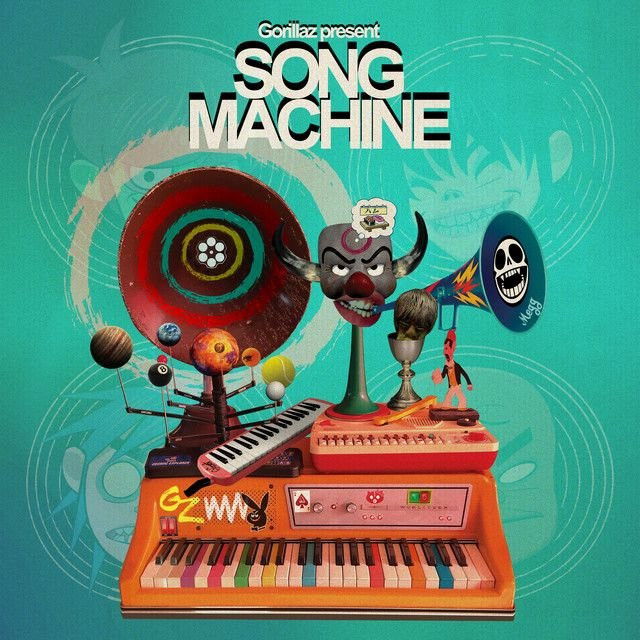
Opium by Gorillaz, EARTHGANG
A Lockdown Song That Refuses to Stay Trapped
The meaning of Opium Gorillaz, EARTHGANG starts with confinement, but it does not end there. The song feels like a record of isolation turning into motion. Built during the COVID-19 lockdown and later released on the deluxe edition of Song Machine, Season One: Strange Timez, it carries the sound of people trying to imagine life beyond closed rooms. According to the Gorillaz Wiki, the track was recorded remotely in early April 2020 and co-produced by P2J.
"Opium" - Gorillaz ft. EARTHGANG
I been inside working lonely
I don't bother changin', I see
Loading lyrics...
Unable to load lyrics
We're unable to display the lyrics at this time. Please try again later.
That context matters. The opening images describe being stuck inside and working through loneliness. Even before the hook arrives, the song frames struggle as temporary. A line like Winter lasted for ages
turns emotional burnout into a season that can pass. From there, the record keeps reaching toward warmth, daylight, and shared energy.

Watch the official Opium
music video
What the Song Is Really About
At its core, “Opium” is about survival through movement, community, and inner renewal. The title might suggest numbness or escape, but the lyrics point the other way. Instead of sedation, the song pushes action: dancing, dreaming, growing, traveling, loving. It is less about checking out than waking up.
Interpretation: the song uses the language of recovery. They move from isolation to momentum, from private pain to public connection. When the chorus repeats don't stop
, it sounds like a personal mantra, but also a collective one. The song is speaking to anyone who felt stalled, frightened, or emotionally frozen.
There is also a moral thread running through it. The lyrics do not only celebrate endurance; they ask what people owe each other after hardship. That is where the Gorillaz section becomes important, shifting the song from self-help to social reflection.
How the Verses Build the Message
Johnny Venus opens with a person who has been mentally boxed in. They are alone, but they are not passive. The song presents healing as work. Then, very quickly, that private space breaks open into activity and repetition.
The Chorus Turns Recovery Into Rhythm
The long chain of verbs gives the track its engine. Words tied to effort, joy, affection, and ambition tumble into one another. The effect is simple: staying alive means staying engaged. The repeated cities widen that message. This is not one person’s comeback story; it is a global one.
When they list places across continents, the song imagines a shared human pulse. It is one of the smartest things about “Opium.” A lockdown song could have stayed inward. Instead, it thinks internationally.
The Roadside Woman as the Song’s Moral Center
Midway through, the song introduces a brief story about meeting a woman by the road. She carries hard-earned wisdom, and her message is direct: focus on growing your own life instead of shrinking someone else’s.
water your own
That short idea sums up a big part of the song. Hope is not just emotional; it is ethical. They suggest that healing requires generosity, self-respect, and resisting envy. In plain terms, “Opium” says people do better when they build rather than compete.
2-D’s Section Adds the Bigger Question
The Gorillaz passage changes the scale. Instead of only asking how one person survives, it asks how people live together after crisis. The verse wonders whether tomorrow will make people closer together
and calls for colossal changes
in city life and human behavior.
That shift is crucial to the meaning of Opium Gorillaz, EARTHGANG. The song is not satisfied with private comfort. It wants renewal at the level of society. The lyrics suggest that imbalance exists all around us, and that progress depends on empathy and structural change, not just individual grit.
Interpretation: this is where the title becomes ironic. Rather than offering an opiate haze, the song asks for alertness. They want clarity about pain, inequality, and the need for change.
The Final Verse Brings Hope Back to the Body
Doctur Dot closes the song by making the emotions more intimate. After the social questions, the lyrics return to closeness, touch, eye contact, moonlight, and the desire to hold onto a feeling that has been missing for a long time.
This matters because “Opium” never treats hope as abstract. It lives in bodies, rooms, mornings, and relationships. A phrase like moonlight
gives the track a soft glow, while the longing to still feel connected at sunrise suggests fear that good moments may vanish. That tension keeps the song human.
How the Sound Carries the Meaning
Production does a lot of storytelling here. “Opium” runs nearly seven minutes, making it one of the longer songs in the Gorillaz catalog, and that length helps it feel immersive rather than rushed. The groove is warm, patient, and slightly hypnotic, but not sleepy. Layered vocals, a steady pulse, and gradual repetition create a trance that feels communal.
P2J’s presence is important too. The producer is known for flexible, rhythmic production that can hold both melody and bounce, and that suits EARTHGANG’s elastic delivery. Gorillaz bring atmosphere; EARTHGANG bring forward motion. Together, they create a track that sounds like being stuck indoors while imagining a crowded, joyful world outside.
Why the Song Landed With Listeners
The timing helped. Created during peak quarantine, “Opium” captured feelings many listeners knew well: cabin fever, loneliness, restlessness, and the wish that hardship would lead to a better way of living. In a brief Hypebeast interview, Doctur Dot said the collaboration happened during quarantine and felt like an honor. That sense of surprise and distance is built into the song’s DNA.
What makes it last, though, is that it does not wallow. It admits exhaustion, then keeps moving. It sees pain, then asks for light.
The Takeaway Behind “Opium”
The meaning of Opium Gorillaz, EARTHGANG is the transformation of isolation into hope, and hope into action. It is about refusing numbness, choosing growth, and asking whether people can come out of crisis more connected than before.
Their answer is not neat or guaranteed. But the song keeps insisting on motion, care, and inner light. That is why it still feels powerful.
Disclaimer: This interpretation is based on the released lyrics, credited context, and the song’s production. As with any art, listeners may hear different meanings in it.








