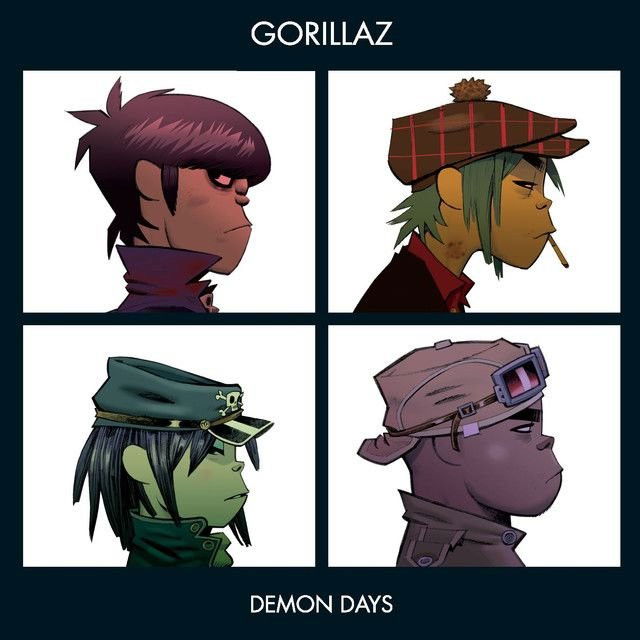
Last Living Souls by Gorillaz
The question at the center of the darkness
The meaning of Last Living Souls Gorillaz starts with a haunting question: who is still truly alive in a world that feels numb, violent, and worn down? The song does not tell a neat story. Instead, it creates a mood of fear, isolation, and uneasy survival.
"Last Living Souls" - Gorillaz
Are we the last living souls
Are we the last living souls
Loading lyrics...
Unable to load lyrics
We're unable to display the lyrics at this time. Please try again later.
Released on Demon Days in 2005, the track appears near the start of an album that Damon Albarn described as a vision of Demon Days as “the world in a state of night.” That context matters. “Last Living Souls” feels like one of the first moments where the listener steps into that night and looks around.

Watch the official Last Living Souls
music video
What the song is really about
On the surface, the chorus keeps asking whether they are the last living souls
. Paraphrased, the speaker sounds unsure whether any real human feeling remains. The line can suggest literal survival, but it can also point to spiritual survival, empathy, or moral clarity.
Interpretation: The song is less about zombies or a sci-fi ending than about alienation. It asks whether modern life has made people passive, armed, distracted, or emotionally absent. That reading fits the darker themes running across Demon Days, an album often linked to post-9/11 anxiety, environmental decline, and social collapse.
The song also keeps returning to escape. When they ask if they are the last to get away
, the idea is not just running from danger. It sounds like trying to preserve a piece of humanity before it disappears.
How the lyrics build that feeling
The verses are fragmented, which is part of their power. They move in flashes: violence, bad behavior, music, movement, and confusion. One line mentions Take a gun
, and the song quickly turns that image into a sign of a broken culture rather than a celebration of force.
Another phrase, get away
, hints at survival, but not a clean victory. Even when the song imagines escape, it still sounds doubtful. Nothing feels complete or secure.
There is also a strange tension between music and moral compromise. The line about singing a song that does not sin suggests a wish for purity in a corrupted world. In plain terms, they seem to ask whether art can stay honest when everything else feels contaminated.
Are we the last living soulsAre we the last to get awayto some another day
That short passage sums up the song’s emotional world. They are not declaring triumph. They are reaching for hope while sounding unsure that hope still exists.
A voice speaking for more than one person
One reason the song lands so hard is its use of group language. Even when the words feel dreamlike, the speaker often sounds collective: we're the last living souls
. That choice matters.
Instead of a private diary entry, the song feels like a shared warning. They are not only describing one person’s crisis. They sound like witnesses speaking for a generation that feels cut off from safety, truth, or meaning.
Interpretation: This first-person plural voice makes the song political without becoming direct protest music. It captures common dread. They are together, but they still feel almost alone.
Why the sound matters as much as the words
“Last Living Souls” would not mean the same thing if it were louder or more aggressive. Its arrangement is key. The track blends soft but eerie vocals with strings, programmed rhythm, and a slow, creeping pulse. According to the album credits collected by Wikipedia, the song features Simon Tong on guitar and members of the Demon Strings on violin, viola, cello, and bass.
That mix creates a floating, half-asleep atmosphere. The strings feel cinematic and mournful, while the beat keeps the song moving like a machine that cannot stop. Albarn’s vocal delivery is subdued, almost ghostly. He does not belt the question. He lets it drift, which makes it sound more fragile and more unsettling.
This is where producer Danger Mouse’s wider Demon Days style helps. The album often fuses alternative rock, trip-hop, pop, and art-rock textures. Here, that blend turns anxiety into environment. The listener does not just hear fear; they sit inside it.
How the song fits the album’s bigger message
As the second proper track on Demon Days, “Last Living Souls” helps define the album early. It follows the ominous intro and opens the door to songs about guns, pollution, manipulation, and spiritual confusion.
That position is important. The song feels like a threshold. It asks the album’s major question before the rest of the record explores different answers.
A few useful links:
- Are people becoming desensitized?
- Can anyone stay innocent?
- Does art still tell the truth?
- Is escape possible, or only temporary?
Because Demon Days went on to become one of Gorillaz’s most acclaimed records, with strong reviews and major long-term influence, songs like this gained extra weight in hindsight. Critics later called the album prescient because its fears about violence, media haze, and collective decline still feel current.
Final reading: lonely, human, and unresolved
The best way to hear the meaning of Last Living Souls Gorillaz is as a song about endangered humanity. It imagines a world where being truly alive means more than breathing. It means feeling, noticing, resisting, and staying awake.
Interpretation: The title may point to the last people who still have a conscience. Or it may simply capture the fear that modern life has emptied everyone out. Either way, the song never gives a final answer, and that uncertainty is the point.
It leaves them suspended between warning and hope, asking the same question until it becomes a mirror for the listener.
Disclaimer: This interpretation is based on the lyrics, album context, and documented artist comments about Demon Days*. Like many Gorillaz songs, “Last Living Souls” remains open to more than one reading.*








