Why Gossip's Anthem Still Hits So Hard
The meaning of Standing In the Way of Control Gossip starts with pressure, fear, and refusal. Gossip turned a personal and political crisis into a dance-punk anthem that sounds urgent but also communal. The song is not just about feeling trapped. It is about staying human when power tries to define who gets safety, love, and dignity.
"Standing In the Way of Control" - Gossip
There's no-one home to call
You're forgetting who you are
Loading lyrics...
Unable to load lyrics
We're unable to display the lyrics at this time. Please try again later.
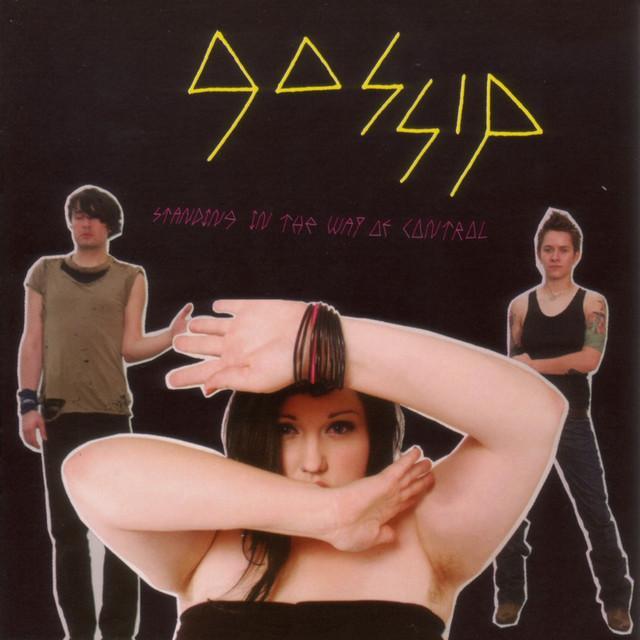
Factually, the track appeared on Gossip's third studio album Standing in the Way of Control, and Beth Ditto said she wrote the chorus in response to the U.S. Federal Marriage Amendment, which sought to ban same-sex marriage in the Constitution, as noted by Wikipedia. That context matters because it explains why the song feels both intimate and public at once.
A Protest Song Disguised as a Club Banger
At its core, the song speaks to people under emotional and social pressure. The opening image, Your back's against the wall
, frames a person with no easy escape. From there, the lyric moves through exhaustion, grief, and self-doubt. They are cornered, crying, and close to losing their sense of self.
But the song does not stay in despair. It quickly shifts toward endurance. When it repeats ideas about not giving in and trusting friends, it suggests survival is collective, not solo. The song argues that resilience is built through community.
Interpretation: That is what makes the track bigger than one crisis. It can fit queer political struggle, personal burnout, or any moment when someone feels pushed to the edge.

Watch the official Standing In the Way of Control
music video
How the Chorus Changes the Whole Story
The chorus is where the song becomes an anthem. The phrase Standing in the way of control
sounds confrontational, but it also carries a deeper point. They are not trying to control others. They are resisting being controlled.
That distinction is the heart of the song. In the verses, the person sounds isolated and overwhelmed. In the chorus, they gain purpose. The line about surviving the only way that you know
suggests that endurance is not neat or glamorous. It is improvised, messy, and necessary.
Later, the song shifts from You live your life
to We live our lives
. That small pronoun change matters. A private struggle becomes a shared stand. The song's emotional center moves from individual pain to group survival.
Friendship Is Part of the Message
One of the most striking ideas in the lyric is that resistance is only partly inner strength. The song says it is also about trusting friends. That makes the message feel grounded and believable.
Instead of offering a simple slogan about toughness, Gossip describe support as a real survival tool. The person in the song falls apart, starts over, and keeps trying. They do not become invincible. They become connected.
It's part not giving in
And part trusting your friends
Those lines are brief, but they carry the song's clearest lesson: courage is social. The speaker is not celebrating isolation. They are saying people survive systems of pressure by holding onto one another.
The Sound Makes the Meaning Feel Physical
The music is a huge reason the song lands so hard. Factually, it has been described as indie rock with punk, disco, and dance-punk elements, produced by Guy Picciotto and Ryan Hadlock. That blend helps the song express urgency without becoming hopeless.
The beat pushes forward with a repetitive, almost marching force. The guitars feel sharp and lean rather than ornate. Beth Ditto's vocal is the key emotional engine: forceful, soulful, and slightly ragged in a way that makes the pain sound lived in rather than polished.
Interpretation: The groove creates a paradox that defines the track. It invites movement at the exact moment it talks about fear and pressure. Dancing becomes a kind of refusal. The body keeps going, so the spirit does too.
Why It Became a Cultural Flashpoint
The song's reach also shaped its meaning. A Le Tigre remix came out in 2005, and the original single later became a major UK hit, reaching No. 7 on the UK Singles Chart and No. 1 on the UK Indie Chart, according to the Official Charts history via Wikipedia. It was later boosted by remixes, especially the Soulwax version, and became closely associated with 2000s indie culture.
That popularity matters because protest songs often get flattened once they become mainstream. This one did not lose its edge. If anything, its crossover success proved that a song rooted in queer resistance and solidarity could work as a mass anthem without dropping its message.
A Few Strongest Themes in Plain English
The meaning of Standing In the Way of Control by Gossip can be summed up through a few linked themes:
- Resistance: refusing to let outside power define a life
- Survival: continuing even when fear feels overwhelming
- Friendship: trusting others as part of staying whole
- Identity: holding onto the self during social pressure
- Solidarity: turning
you
intowe
These themes explain why the song still feels current. It speaks to civil rights, but also to everyday emotional survival.
Final Take on Gossip's Message
In the end, the meaning of Standing In the Way of Control Gossip is about refusing erasure. Gossip take the feeling of being cornered and turn it into motion, noise, and shared will. The song says that people may be frightened, tired, or grieving, but they can still keep living on their own terms.
That is why the track lasts. It does not promise easy victory. It promises persistence.
Disclaimer: This interpretation combines documented artist context with close lyric reading, so some meaning remains open to listener perspective.








