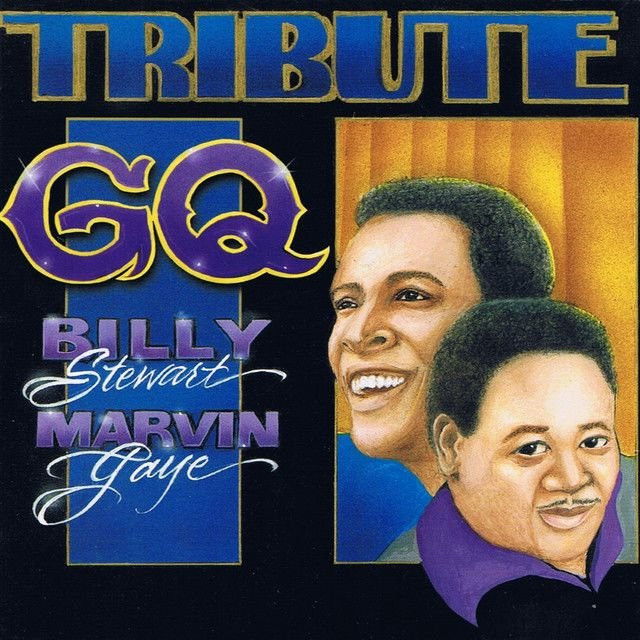
What's Going On by GQ
The meaning of What's Going On GQ starts with a simple question, but the song opens into something much bigger. Even though many listeners know it through Marvin Gaye's famous 1971 recording, the song itself is a direct plea for empathy during a time of conflict, protest, and social division. It asks why people are hurting each other when understanding would do more good.
"What's Going On" - GQ
There's too many of you crying
Brother, brother, brother
Loading lyrics...
Unable to load lyrics
We're unable to display the lyrics at this time. Please try again later.
Gaye released the song in 1971 as the title track to What's Going On, a landmark soul album from Motown, and the song was written by Renaldo "Obie" Benson, Alfred Cleveland, and Marvin Gaye, with production credited to Gaye (Britannica, Grammy). Those facts matter because the record sits at the meeting point of pop craft and urgent social commentary.
A Protest Song That Chooses Compassion
At its core, the song is about social pain seen through a family lens. It begins with loved ones grieving and dying, then moves toward a wider public crisis. By using words like Mother, mother
and Brother, brother
, the lyric turns national conflict into something personal. The point is not abstract politics. The point is human cost.
That is why the repeated call to find a way
feels so important. The speaker does not sound cynical or cruel. They sound worn down, but still hopeful. Rather than cheer on revenge, the song argues that people need care, restraint, and conversation.

Watch the official What's Going On
music video
How the Verses Build the Message
The song moves in clear steps, and each one adds a layer to its meaning:
- It starts with grief inside families and communities.
- It rejects escalation and says violence only deepens the wound.
- It shifts to public unrest, where protest meets police force.
- It ends by asking for understanding instead of judgment.
That structure makes the song feel both intimate and civic. One of its strongest moments is the appeal, Talk to me
. In plain language, the singer says dialogue is better than force. The famous hook, What's going on
, is not just confusion. It is a moral challenge. They are asking listeners to look honestly at the world around them.
The Social Setting Behind the Song
The historical context sharpens the lyric. The song emerged during the Vietnam era, amid civil rights struggles, urban unrest, and growing distrust of authority. Renaldo Benson reportedly drew inspiration from witnessing police violence against anti-war protesters, while Gaye connected the song to grief, injustice, and the state of the country (History, NPR).
That context helps explain lines about picket signs, brutality, and being judged for hair is long
. The song is not just talking about one incident. It captures a whole culture of suspicion, generation gaps, and state power. Even its question feels open-ended, as if the crisis is still unfolding.
Why the Chorus Still Hits So Hard
The chorus works because it does two things at once. On the surface, it is a simple question anyone can sing. Underneath, it carries grief, disbelief, and a request for awareness.
Don't punish me with brutality
Talk to me
So you can see
This brief passage shows the song's moral center. First comes harm. Then comes a plea for conversation. Then comes the hope that seeing clearly might change behavior. The writing is simple, but that simplicity is part of its strength.
Sound as Meaning: Smooth Music, Urgent Words
One reason the track lasts is the contrast between message and sound. The arrangement is warm, fluid, and almost peaceful, with layered vocals, soft percussion, rich saxophone, and a relaxed groove. According to the Rock & Roll Hall of Fame, Gaye helped push soul music toward more personal and socially aware album-making, and this song became a major example.
That musical softness matters. If the production had been harsh, the message might have felt like a shout. Instead, the record persuades. The groove invites listeners in, while the lyrics ask them to think harder. Gaye's vocal performance also sounds conversational, almost as if they are overhearing someone reason through pain in real time.
Interpreting the Song's Biggest Idea
Interpretation: The song's deepest message is that social repair begins with seeing other people as human, not as enemies. Family words, protest images, and the chorus all support that reading.
Interpretation: Another valid reading is that the song is about failed leadership. The lyric keeps addressing fathers, brothers, and public authority figures, suggesting that people with power have chosen force over wisdom.
These readings can exist together. The song criticizes systems, but it also asks ordinary people to practice empathy.
Why It Still Feels Current
The meaning of What's Going On GQ still lands because the problems it names have not vanished. Public anger, police violence, war, and generational blame still shape American life. Yet the song does not trap itself in despair. Its lasting power comes from pairing realism with hope.
That is why listeners return to it. It does not offer a policy program. It offers a humane standard: listen before judging, love before escalating, and ask the hard question even when the answer is painful.
Final Take
In the end, "What's Going On" is a song about crisis answered with compassion. It turns headlines into family grief and protest into a plea for human understanding. That balance is what gives the record its enduring force.
Disclaimer: This interpretation is based on the lyrics, historical context, and documented background of the recording. As with any song, listeners may hear additional meanings of their own.
Sources
- https://www.britannica.com/biography/Marvin-Gaye
- https://www.grammy.com/artists/marvin-gaye/6658
- https://www.history.com/this-day-in-history/marvin-gaye-releases-whats-going-on
- https://www.npr.org/sections/therecord/2011/05/20/136467420/marvin-gayes-whats-going-on-endures
- https://www.rockhall.com/inductees/marvin-gaye







