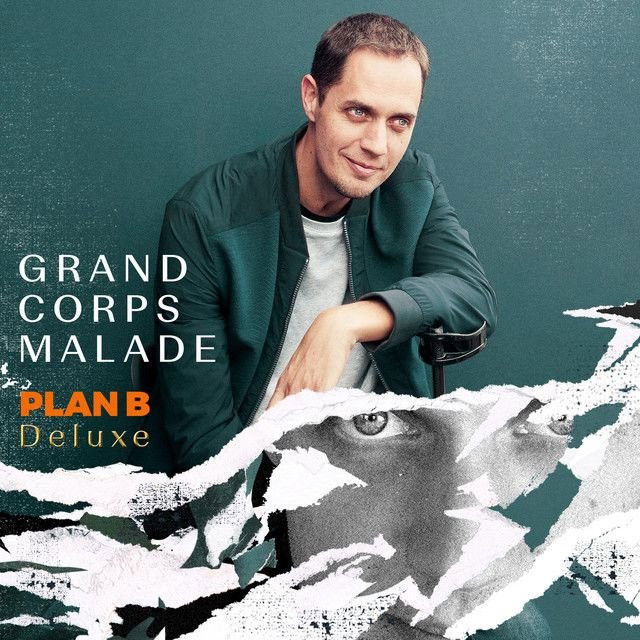
Why "Dimanche soir" Turns Dread Into Love
The meaning of Dimanche soir Grand Corps Malade comes into focus through one simple emotional shift: Sunday night stops feeling heavy when love makes the week ahead feel safe. What could have been a small domestic song becomes something bigger. It is about how a lasting relationship can change time itself, soften routine, and make ordinary life feel meaningful.
"Dimanche soir" - Grand Corps Malade
Que ma routine s'est égarée dans ces changements de direction
Parce que les jours de la semaine se mélangent dans ce bazar
Loading lyrics...
Unable to load lyrics
We're unable to display the lyrics at this time. Please try again later.
Grand Corps Malade, the stage name of Fabien Marsaud, is widely known in France for blending chanson, rap, and spoken-word storytelling in a clear, intimate style. That context matters here because the song does not chase drama. Instead, it builds meaning through everyday details, which fits the artist’s broader approach as a slam poet and songwriter. The user-provided credits list Angelo Foley, Bruno Dias, and Fabien Marsaud as the writers.
A Love Song About the End of the Weekend
At its core, the song is about emotional security. The narrator keeps returning to the idea that, because this person exists in their life, they are no longer afraid of dimanche soir
—Sunday night. In many cultures, Sunday evening carries a low-level sadness: the weekend is ending, work is coming, and freedom feels shorter. The song flips that feeling.
Instead of dread, the narrator feels steadiness. They explain that time has taken on new dimensions
with this partner. That phrase matters because it suggests love has not only changed mood; it has changed perception. Days blend together, routine loses its old shape, and the week no longer feels like a trap.
Interpretation: Sunday night works as a symbol, not just a calendar detail. It represents anxiety, loneliness, and the fear of returning to daily pressure. The relationship does not erase real problems, but it makes those problems easier to bear.

Watch the official Dimanche soir
music video
How the Lyrics Build a Mature Kind of Romance
One of the strongest parts of the song is its focus on durable love, not first-crush excitement. The narrator mentions ten years and then undercuts the weight of that number by saying it still feels brief whenever the loved one’s name appears. That contrast—long and short at once—captures the strange time logic of deep attachment.
The song also avoids idealizing love as perfection. The narrator teases the partner’s habits and flaws, yet says those very imperfections have become essential. That idea gives the song warmth. It is not about fantasy; it is about intimacy built through repetition, memory, and acceptance.
There is also a family dimension. Near the end, the reference to the four most beautiful eyes
strongly suggests children. That changes the emotional frame. The relationship is not just romantic history. It has become a shared life with visible proof of love continuing into the future.
The Chorus and the Song’s Central Promise
The repeated line about no longer fearing Sunday night is the emotional key. Every verse gives reasons—habit, touch, memory, humor, desire, family, resilience—and then the chorus turns all of them into one conclusion.
Parce que c'est toi
parce que t'es là
je n'ai plus peur
du dimanche soir
Even without the full French context, the message is clear: this person’s presence changes the emotional weather of life.
Interpretation: The chorus is powerful because it is so plain. Grand declarations are replaced by a simple fact of presence. Love matters here not because it is dramatic, but because it is dependable.
Images That Carry the Meaning
Several recurring ideas deepen the meaning of Dimanche soir Grand Corps Malade:
- Time: The lyrics keep measuring love against days, weeks, months, and ten years.
- Routine: The song starts from ordinary life, then shows how love transforms it.
- Fire and weather: Small flames may go out, but bigger fires grow stronger. That image suggests mature love surviving pressure.
- Memory: Their shared memories begin to resemble each other, showing how two lives have merged.
- Renewal: Even after 120 months, the narrator feels they have
just met
this person again.
That last idea is especially important. The song argues that commitment does not have to kill surprise. In the best version of long-term love, familiarity and freshness can exist together.
Sound, Delivery, and Why They Matter
Grand Corps Malade’s writing usually depends on clarity of voice, and this song’s meaning works best when the delivery stays close and conversational. The lyric structure is built on repeated Parce que
(“because”), which creates a steady, almost spoken rhythm. That repeated opening sounds like someone patiently laying out reasons, one by one, until feeling becomes undeniable.
Even without diving into detailed production credits, the song’s likely strength is restraint. A busy arrangement would distract from the text. A gentle melodic frame, by contrast, supports the sense that love has calmed the narrator’s inner life. The refrain then lands not as a dramatic explosion, but as a relieved exhale.
A Final Reading of What the Song Means
In the end, this is a song about love making the future feel less threatening. The narrator is not saying life became perfect. They are saying companionship changed their relationship to time, worry, and routine. Monday is no longer something to fear because someone worth returning to is waiting inside that everyday world.
That is why the song feels so moving. It honors the quiet miracle of long-term love: not fireworks, but reassurance.
Disclaimer: This interpretation is based on the lyrics provided and common themes in Grand Corps Malade’s work. Song meaning can remain open to different listeners.








