Water Under Bridges by Gregory Porter
The meaning of Water Under Bridges Gregory Porter centers on a hard truth: some heartbreak does not fade just because other people say it should. The song pushes back against easy advice and shows a speaker still trapped between memory and loss.
"Water Under Bridges" - Gregory Porter
"Get over it"
It's like water under bridges
Loading lyrics...
Unable to load lyrics
We're unable to display the lyrics at this time. Please try again later.
Gregory Porter is known for bringing warmth and emotional honesty to modern jazz, from Blue Note releases to award-winning albums. Here, that emotional directness matters. Rather than dressing up pain in complex poetry, they keep the words plain. That simplicity makes the song hit harder.
A breakup song that rejects easy advice
At its core, the song is about being told to move on when they clearly cannot. Early on, the speaker recalls hearing Get over it
. That phrase is common and blunt, and the song treats it almost like a wound of its own.
Instead of agreeing, the lyric answers with a damaged image: water under bridges
that have already burned
. Normally, saying something is water under the bridge means the past is settled. Porter twists that saying. If the bridge is burned, there is no path back and no easy way forward either.
Interpretation: This is why the central metaphor works so well. The relationship is over, but it is not peacefully resolved. The past is gone, yet it still controls the present.

Watch the official Water Under Bridges
music video
How the verses build the emotional conflict
The song moves in a simple pattern: outside voices say healing will come, but the speaker's inner life says otherwise. They hear people promise that time will help, that memory will fade, and that sadness will become easier to carry. The song does not fully deny that idea. It just shows that they are not there yet.
That tension grows in the memory-focused lines. The speaker asks, Do you remember
, which turns the song toward shared history. This is not just private pain. It is pain tied to a real bond, real days together, and a past that still feels alive.
The next emotional turn is even more revealing. They admit that memory is so powerful it blocks healing. In plain language, nostalgia becomes a trap. They are not remembering in order to treasure the past. They are remembering in a way that stops them from building a future.
Why the song prefers bad love to empty space
One of the strongest ideas in the lyric is that even the relationship's lowest points still feel better than being alone. That is a painful confession, because it shows how loneliness can rewrite the past.
our worst days
better than loneliness
Those lines do not necessarily mean the relationship was healthy. They show the speaker's emotional state. Grief can make old pain seem easier than present emptiness.
Interpretation: This is one of the song's most human insights. After a breakup, people often do not miss only the best moments. They miss routine, company, and the fact of being known by someone else.
The hook turns a cliché into a wound
The chorus is short, repetitive, and memorable. That repetition matters because it mimics rumination. The speaker is not calmly analyzing the breakup. They are circling the same thought again and again.
The phrase They say
also becomes important. It creates distance between public wisdom and private feeling. Everybody else seems to know how heartbreak is supposed to work. The speaker's lived experience says the script is wrong.
In that way, the chorus does two jobs at once:
- It repeats the pressure to move on.
- It exposes how useless that pressure feels.
- It turns a familiar saying into an image of damage.
That is why the title image lingers. It sounds ordinary at first, then grows darker the more they repeat it.
Sound, performance, and jazz feeling
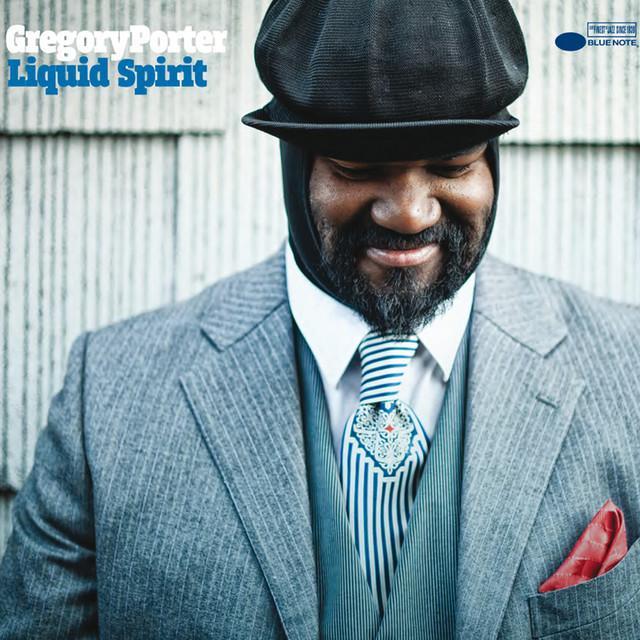
Even with sparse lyrics, Porter can communicate a lot through tone and phrasing. Their style, heard across albums like Liquid Spirit, often blends jazz, soul, and gospel warmth. That matters here because the song's meaning is carried not only by words, but by emotional delivery.
A song like this works best with space. Slow or moderate tempo, soft accompaniment, and a close vocal feel would support the message of someone sitting with unresolved hurt. In jazz and soul, repetition can feel like thought itself, and this song leans into that effect. The likely emphasis is not on dramatic plot twists, but on mood, voice, and the ache inside a repeated line.
Factual note: Porter is widely recognized as a jazz vocalist and songwriter. Interpretation: In this song, that jazz setting deepens the sense of reflection, making the heartbreak sound lived-in rather than explosive.
Artist context sharpens the meaning
Porter's writing often values dignity, empathy, and emotional plainness over clever distance. That artistic habit shapes this song. Instead of mocking the people who say healing gets easier, they simply reveal the gap between advice and reality.
That choice makes the song feel mature. It does not blame the former partner in detail. It does not build a revenge story. It focuses on aftermath: memory, longing, and the lonely work of surviving a bond that still feels present.
For U.S. listeners, that directness may be part of the appeal. The song speaks in everyday language, but the metaphor gives it a poetic edge. It sounds like a real conversation, then suddenly opens into something more haunting.
Final reading: grief without neat closure
So what is the meaning of Water Under Bridges Gregory Porter? It is about the moment when a relationship is undeniably over, yet emotionally unfinished. The speaker knows the bridge is gone. What hurts is that the heart still stands on its edge.
The song's power comes from its refusal to offer a neat ending. Memory does not fade on command. Loneliness can distort what came before. And familiar sayings can feel empty when grief is still fresh.
That honesty is what gives the song its quiet force. It is less about dramatic breakup details than about the stubborn afterlife of love.
Disclaimer: This interpretation is based on the released lyrics, known artist context, and the song's language and style. As with any song, listeners may hear different meanings in it.








