Why Griff's Healing Anthem Hits So Hard
The meaning of One Foot in Front of the Other Griff comes down to a simple but powerful idea: recovery is rarely dramatic. More often, it is awkward, uneven, and deeply physical. Griff turns that truth into a pop song that feels gentle and triumphant at the same time.
"One Foot In Front of the Other" - Griff
I didn't think I'd be alright again
You know it's easy when you're young, bounce back and whatever
Loading lyrics...
Unable to load lyrics
We're unable to display the lyrics at this time. Please try again later.
Written by Sarah-Faith Griffiths, the artist known as Griff, the track arrived during a period when her rise as a British pop singer-songwriter was drawing major attention from critics and industry outlets, including the BRIT Awards and profiles from BBC. Those facts matter because the song fits a big theme in her work: polished pop that still sounds personal.
A Small Step Song With a Big Emotional Core
At its heart, the song is about learning how to function again after some kind of emotional blow. Griff never spells out the exact event, and that is part of the song's strength. Instead of naming one clear wound, they focus on the body and on daily effort.
Early lines describe a time when they did not think they would "get back up" or feel okay again. That idea is crucial. The song begins from a place of doubt, not confidence.
Then the chorus shifts into motion with the key image one foot in front
. That phrase sounds ordinary, but Griff uses it to show survival in real time. They are not sprinting toward a happy ending. They are proving they can move at all.
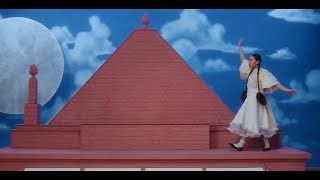
Watch the official One Foot In Front of the Other
music video
Why the Lyrics Feel So Human
Recovery Is Shown as Physical, Not Abstract
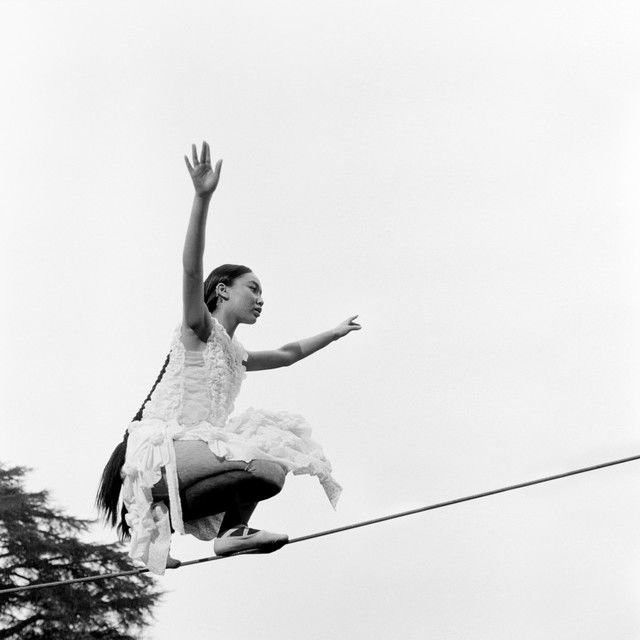
One of the smartest things in the writing is how healing shows up through the body. Griff describes movement feeling unfamiliar, with arms out wide
, shaking legs, and trembling hands. In plain terms, the song says that getting better can feel strange because pain changes a person's relationship with their own body.
That makes the song more vivid than a standard empowerment anthem. Instead of saying, "I'm stronger now," Griff shows the fragile middle stage where strength is still forming.
I put one foot in front of the other today
I stretched my arms out wide and it felt real strange
This brief moment captures the whole emotional design of the song. Progress is real, but it does not feel smooth yet.
Age and Healing Enter the Picture
Another important lyric idea is the contrast between youth and adulthood. Griff reflects that when people are younger, they often seem to bounce back fast, almost as if nothing happened. Later, that becomes harder.
The phrase take longer to heal
gives the song extra weight. It suggests experience has made pain feel heavier, or at least slower to leave. That line broadens the song beyond one romance. It can speak to heartbreak, burnout, anxiety, or the emotional drag of growing up.
The "You" in the Song Matters Too
The listener also hears a second character: someone patient, close, and emotionally safe. Griff says this person lets them talk for a long time and then holds them near. In other words, healing is not presented as a solo act.
The repeated promise coming for you, babe
sounds loving, but it also carries a deeper message. They are telling this person: "I am trying to return to life, closeness, and connection. Please wait for me." That gives the chorus a tender goal. Movement is not just survival. It is movement back toward someone.
How the Chorus Changes the Story
The verses sit inside fear and memory, but the chorus changes the emotional direction. Even though the body feels unstable, the hook keeps choosing action over collapse.
That is why the central image sticks. A step is tiny, but it is also a refusal to stay still. Griff turns a basic motion into a symbol of resilience.
Interpretation: the chorus suggests that hope does not arrive as a feeling first. It arrives as behavior. They move before they fully believe they are healed.
How the Sound Supports the Meaning
Griff's music is often praised for blending sleek pop with emotional detail, something noted in coverage from outlets like NME and The Line of Best Fit. In this song, the production helps sell the lyric's message.
The arrangement feels clean and open, giving space to the vocal so the vulnerability lands clearly. As the chorus expands, the track gains lift without becoming overwhelming. That matters because the song is not about instant victory. It needs a sound that grows steadily rather than explodes.
The vocal delivery also helps. Griff sings with a mix of softness and strain, which mirrors the lyric images of shaking and reaching. The result is a pop performance that sounds like effort, not just polish.
Two Strong Readings of the Song
Interpretation 1: A Love Song After Hurt
One reading is that this is a romantic recovery song. In that version, the speaker has been deeply hurt, maybe by life or by love, and is slowly finding their way back to a partner who stayed patient.
Interpretation 2: A Broader Mental Health Anthem
Another reading is wider and, for many listeners, stronger. The song can describe depression, anxiety, exhaustion, or emotional collapse. The unnamed pain is the point. Because Griff avoids specifics, the song becomes a mirror for many kinds of healing.
Why It Connects So Easily
The meaning of One Foot in Front of the Other Griff lasts because it avoids fake inspiration. It does not pretend recovery is pretty. It admits that progress can feel weird, shaky, and slower than expected.
That honesty is what makes the song comforting. It tells listeners that if they are moving at all, they are already doing something brave.
Disclaimer: This interpretation is based on the released lyrics, performance, and public artist context. Like most songs, its meaning can remain open to personal reading.







