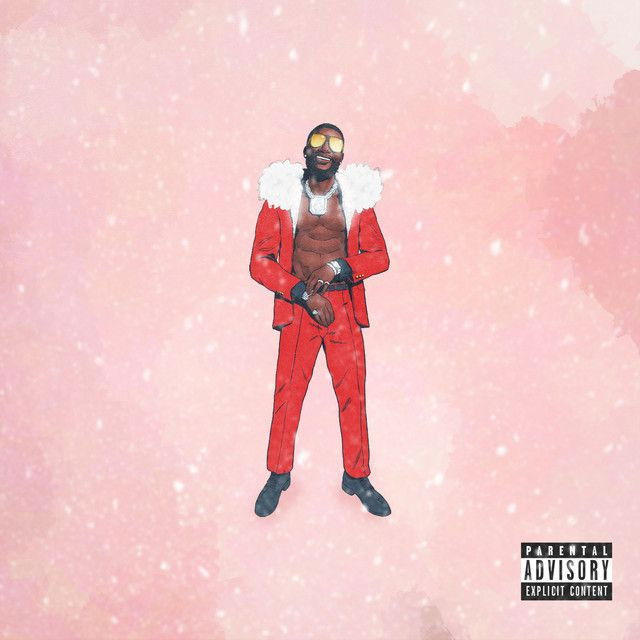
Why "Tony" Turns Power Into Paranoia
The meaning of Tony Gucci Mane, Quavo starts with a familiar rap move: turning a movie figure into a self-portrait. Here, that figure is Tony Montana, the flashy and doomed antihero from Scarface. Gucci Mane and Quavo do not just borrow his name for style. They use it to show how money, fear, fame, and danger can exist at the same time.
"Tony" - Gucci Mane ft. Quavo
Ridin' around in my town, important
Hit me a lick, it's enormous (skrrt)
Loading lyrics...
Unable to load lyrics
We're unable to display the lyrics at this time. Please try again later.
The song sounds like a victory lap, but it is packed with warnings. Even when they brag, they also describe surveillance, enemies, legal pressure, and retaliation. That mix is what gives the track its weight.
The Core Idea Behind the Record
At its center, “Tony” is about building a larger-than-life image. The rappers present themselves as untouchable figures whose names carry fear and respect. When the hook says the world is screaming Tony
, the idea is not just celebrity. It is notoriety.
Interpretation: the song suggests that power in their world is never calm. It comes with constant threats. They frame success as something earned through risk, not comfort.
That is why the song keeps pairing wealth with danger. They mention racks, product, and status, but they also bring up shooters, indictments, and bodies. The message is simple: the crown is heavy, and everyone is watching.
Watch the official Tony
music video
Why Tony Montana Matters Here
Tony Montana has long been a rap symbol because he represents ambition without limits. In Scarface, he rises fast, lives loudly, and becomes consumed by paranoia. That makes him a natural reference point for artists who want to show both dominance and instability.
Gucci Mane leans into that double meaning. When he says he feels like Tony Montana
, he is not only claiming wealth and power. He is also comparing himself to someone under siege. The line about watching cameras while armed turns success into a bunker mentality.
A Persona, Not a Biography
This matters because the song works more as performance than confession. They are crafting a character built from crime-movie language, trap-rap bragging, and street mythology. That does not mean the fear is fake. It means the fear is amplified into a symbol.
How the Verses Build the Song’s World
The opening hook creates motion right away. Riding through town while feeling important
sets up a local kingpin image. But that confidence quickly shifts into talk of being hunted by morning. In one move, the song turns a flex into a manhunt.
Gucci Mane’s verse expands that tension. He links East Atlanta roots to a Tony-style rise from the bottom. That gives the song a rags-to-riches frame, but it is not clean or inspiring in the usual sense. It is harsh, violent, and built on survival.
Quavo’s section keeps the same energy. His lines about the Forbes list and a hit list put success and danger side by side. That contrast may be the sharpest idea in the whole track: fame does not erase the street code; it can intensify it.
The Hook Is a Chant of Fear and Fame
The chorus is catchy because it repeats a simple image: movement through the city, money everywhere, and a public reaction that turns the rapper into a legend. The phrase whole world screamin'
suggests mass recognition, but it also feels like panic.
Interpretation: the hook works like a crowd scene in a gangster film. Everyone knows the name, and that name changes the room. In that way, “Tony” is less about one event than about reputation becoming bigger than the person behind it.
Symbols That Carry the Meaning
Several motifs keep returning:
- Surveillance: cameras, watchfulness, and ambushes suggest a life with no real peace.
- Local royalty: riding through town as someone
important
turns the city into a stage for status. - Wealth as evidence: racks and luxury cars are not just rewards; they are proof of rank.
- Violence as atmosphere: even when not described in detail, threat hangs over every section.
These symbols help explain the meaning of Tony Gucci Mane, Quavo. The song is about becoming powerful enough to be seen everywhere, then realizing that visibility invites attack.
How the Sound Supports the Message
Production matters a lot here. The beat is sparse, heavy, and menacing, with booming low end and a chant-ready hook. The tag Honorable Court
signals a trap framework associated with dark, hard-edged production.
That sound gives the verses room to breathe. Gucci Mane’s delivery feels blunt and grounded, which suits the song’s street-war tone. Quavo sounds lighter and more elastic, but that contrast actually helps; it makes the record feel bigger and more theatrical.
Interpretation: the music does not romanticize safety or reflection. It keeps the listener inside a pressured state, where every flex has a shadow behind it.
A Bigger Gucci Mane Theme
This track also fits a larger Gucci Mane pattern. Across his catalog, they often return to reinvention, survival, street credibility, and public image. “Tony” pushes those themes into gangster-cinema language, making the persona feel mythic instead of merely personal.
The credited writers listed for the song include Radric Davis and Quavious Marshall, the legal names of Gucci Mane and Quavo, along with Carlton Mays, Danny Snodgrass, and Tony Trouble. That collaborative writing helps explain why the song feels both cinematic and built for a live, shouted hook.
Final Take: Swagger With a Trapdoor
So, what is the meaning of Tony Gucci Mane, Quavo? It is a song about power that never feels secure. They turn Tony Montana into a mirror for rap success: flashy, feared, admired, and always one step from collapse.
That is why the song sticks. Beneath the bravado, they show that being the loudest name in the room can also mean being the biggest target.
Disclaimer: This article offers an interpretation of the song based on its lyrics, performance, and cultural context. Meanings can vary from listener to listener.








