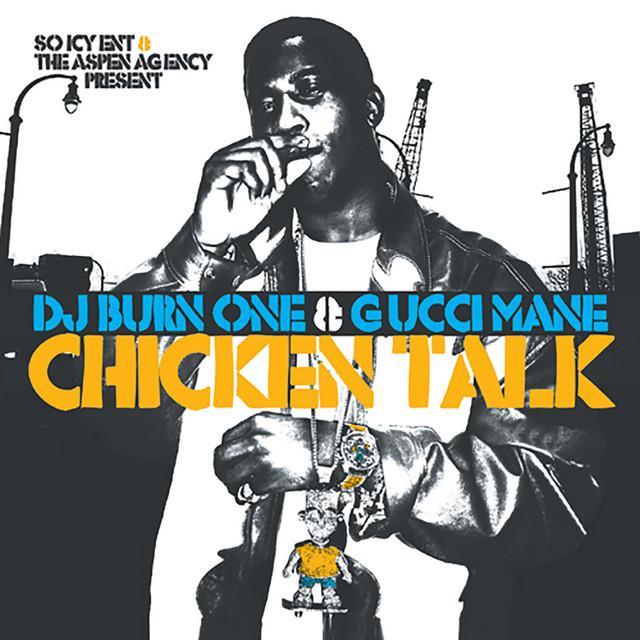
Why Gucci Mane’s “Swing My Door” Hits So Hard
The core meaning behind the chaos
The meaning of Swing My Door Gucci Mane is blunt and unsettling on purpose. The song is about street-level drug dealing, fast cash, status, and the danger wrapped around all of it. Gucci Mane presents a world where every open door means business, risk, and proof of power.
"Swing My Door" - Gucci Mane
I'm a gold-mouth dawg, definition of the South
Ain't no quarters, ain't no halves, just some wholes in 'dis house
Loading lyrics...
Unable to load lyrics
We're unable to display the lyrics at this time. Please try again later.
Rather than hide that world, they turn it into the whole frame of the song. The repeated hook about swing my door
is not just about people entering a place. It suggests nonstop traffic, constant demand, and a lifestyle built on selling, counting, and surviving. The room becomes a storefront, a trap spot, and a symbol of reputation.
Interpretation: The song is not a moral lesson in a direct sense. It feels more like a report from inside a system, where money and danger are so tied together that they start to sound normal.

Watch the official Swing My Door
music video
Gucci Mane’s voice: bragging as survival language
A lot of the track works through exaggeration, but the bragging has a purpose. Gucci Mane uses extreme confidence to show control in an unstable world. When they call themselves the definition of the South
, the line does two things at once: it builds regional pride and frames them as a larger-than-life trap narrator.
This is common in trap music, a style Gucci Mane helped shape in the 2000s through a huge run of mixtapes and street anthems, as noted in major career summaries from outlets like Britannica and The New York Times. In that context, “Swing My Door” fits a familiar Gucci role: the hustler who turns daily criminal risk into legend.
That is why many of the verses move quickly from product to cars to violence to luxury. The point is less a tidy story than a flood of proof. Every detail says the same thing: they are in demand, they are feared, and they have money because of it.
The hook turns traffic into a symbol
The chorus is the song’s smartest move. Gucci Mane keeps returning to the idea that every time people come through, money follows. The short phrase prices real low
helps explain why the traffic never stops. This is business logic turned into rap rhythm.
At the same time, the hook includes the image of people being searched. That detail matters. The song is not only about making sales. It is about control over space. The person at the door decides who enters, what they bring, and whether they can be trusted.
Every time they swing my door
I count 18-5
That two-line pattern reduces the whole world of the song into a transaction: entry, exchange, profit. It is catchy, but also cold. The repetition makes the routine feel endless.
What the verses add to the meaning
Money, movement, and pressure
Across the verses, Gucci Mane piles up images of motion: corner stores, motels, apartments, old cars, luxury cars, and travel. They describe a life that is always moving because staying still is dangerous. Even success sounds restless.
The references to counting money, buying flashy items, and driving better cars show how material goods function in the song. They are trophies, but they are also evidence. If someone survives that environment, the reward must be visible.
Threats and fear in the background
There is also a harsh undercurrent of violence throughout the song. That matters to the meaning of Swing My Door Gucci Mane because it shows how the business model depends on intimidation as much as supply and demand. The door is open for customers, but not for weakness.
Interpretation: The song suggests that respect in this world is enforced, not freely given. Gucci Mane’s threats are part performance and part warning, making the narrator sound both market-savvy and dangerous.
How the production supports the message
“Swing My Door” is built like classic trap: repetitive, hypnotic, and heavy on atmosphere. The beat loops in a way that mirrors the repeated action in the lyrics. Customers come in, money gets counted, and the cycle starts again.
The producer tag Burn One
places the song in a specific mixtape-era sound. Burn One was known for moody Southern production, and that style helps the track feel dusty, nocturnal, and street-level rather than polished. The instrumental does not romanticize the setting too much. It gives the song space, but also tension.
Gucci Mane’s delivery matters just as much. They rap with a matter-of-fact calm that makes the content hit harder. Instead of sounding shocked by crime or danger, they sound used to it. That flat confidence is one reason the song feels vivid: the narrator acts like this is just another day.
Artist context makes the song sharper
Gucci Mane’s catalog often blends autobiography, mythmaking, and trap economics. “Swing My Door” lands in that lane exactly. It is part of the street-rap tradition where the artist builds identity through detail: prices, locations, product, and consequences.
The writing credit provided here lists Cory Way, and the song clearly centers on first-hand style narration, even if listeners should be careful not to treat every line as literal fact. In rap, especially trap, persona can be larger than life. That does not make the song fake. It means the truth may be emotional and cultural as much as documentary.
So what is the song really saying?
At its heart, “Swing My Door” is about turning a dangerous hustle into a symbol of status. The door represents access, income, and power. But it also represents a life where trust is thin, danger is constant, and success never feels secure.
That is why the song still works. It is catchy on the surface, but underneath it is about routine pressure. Gucci Mane makes that pressure sound normal, and that normalization is the point.
For listeners asking about the meaning of Swing My Door Gucci Mane, the simplest answer is this: it is a trap anthem about supply, demand, control, and the hard mask a person wears to survive that world.
Disclaimer: This interpretation is based on the lyrics, performance style, and known artist context. As with many rap songs, some details may reflect persona and storytelling rather than literal autobiography.







