Why H-Town's Slow Jam Still Lands
The meaning of Knockin' da Boots H-Town starts with something simple: this is a seduction song. But it is not only about sex in a blunt sense. H-Town frame desire as memory, comfort, and reunion, turning a bedroom slow jam into a song about getting back to a feeling that once made two people feel close.
"Knockin' da Boots" - H-Town
We're doin' this one for all the ladies, huh
H-Town Boys kickin' it with my boy Luke
Loading lyrics...
Unable to load lyrics
We're unable to display the lyrics at this time. Please try again later.
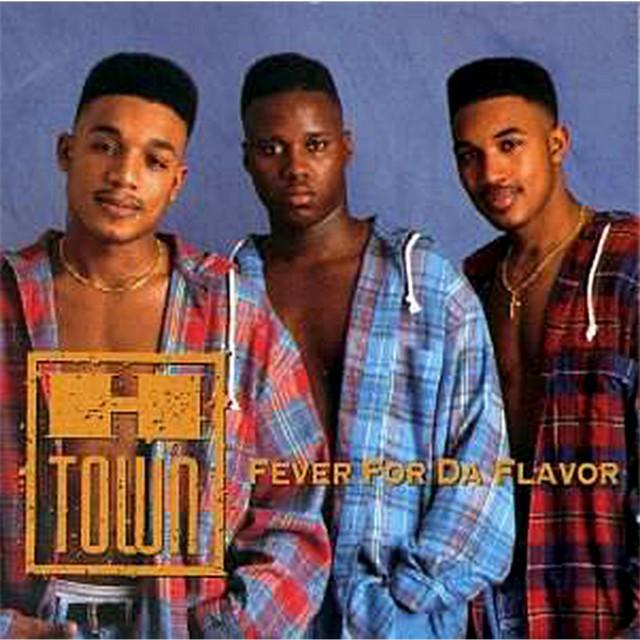
Released on March 11, 1993, as H-Town’s debut single from Fever for da Flavor, the track became one of the biggest R&B songs of its year, reaching No. 3 on the Billboard Hot 100 and No. 1 on the Hot R&B chart, according to widely cited chart summaries and release details documented by reference sources. It was later certified platinum and sold over 1.1 million copies. That success matters because it shows how strongly listeners connected with its mix of sweetness and heat.
More Than a Bedroom Anthem
At the center of the song is a speaker who looks back on a passionate night and wants to bring that spark back. Early on, they recall listening to Marvin Gaye and wanting the old flame back
. That detail does a lot of work. It ties the song to classic soul romance and suggests that this is not a random hookup. They are reaching for a known bond.
The title phrase, knockin' da boots
, is a playful euphemism for sex. Even in the early 1990s, the phrase was familiar slang, and H-Town helped push it deeper into pop culture. The group use that phrase to keep the song flirtatious and catchy, but the verses add a softer motive: they want shared comfort, not just physical release.
Interpretation: The song works because it balances lust with familiarity. The narrator is not chasing mystery. They are chasing reunion.

Watch the official Knockin' da Boots
music video
How the Lyrics Build That Mood
The first verse begins with memory, not action. They think back to a night of good love
and soul music, then try to recreate that scene. That structure matters. Instead of starting with a direct invitation, the song starts with nostalgia.
From there, the chorus widens the fantasy into an all-night promise. Phrases like body rockin'
and break of dawn
make the encounter sound long, immersive, and mutual. The repeated requests for the lights to go down and the room to close off from the outside world create a private little universe.
Turn the lights down
just me and you
That short moment captures the song’s whole emotional logic. The goal is privacy, exclusivity, and a return to a shared rhythm.
Who Is Speaking, and to Whom?
The narrator speaks directly to a partner they already know well. They are not trying to introduce themselves or persuade a stranger. They are asking a lover to reconnect. When they say they feel best when near that person, the song presents desire as closeness. In other words, the body language in the song doubles as relationship language.
Why the Chorus Hit So Hard
The chorus is memorable because it turns desire into a groove. Rather than adding new information, it repeats the same craving in slightly different forms. That repetition mirrors the slow-jam style: circular, steady, and sensual.
It also uses simple words. There is nothing abstract here. The hook says exactly what the singer wants, but wraps it in rhythm and harmony so it feels smooth instead of crude. That was a key part of early-1990s R&B crossover: songs could be very direct, but the delivery made them feel romantic.
Interpretation: The chorus is less about plot than atmosphere. It invites listeners to sit inside the mood.
The Sound Tells the Story Too
Part of the meaning of Knockin' da Boots H-Town comes from its production. The song moves like a classic slow jam, with soft synth textures, a relaxed beat, and layered vocal harmonies. Reference sources also note that it contains replayed elements of Zapp’s Be Alright, which links it to a funk-soul tradition built for late-night listening.
That musical backdrop matters because it softens the song’s explicitness. The beat does not rush. The harmonies do not attack. Everything is designed to feel warm, padded, and patient.
The spoken intro and intermission section add another layer. They place the song in a live, social R&B world where flirtation, performance, and swagger all matter. Yet once the singing settles in, the overall tone is still tender more than wild. H-Town understood that seduction in R&B often lands hardest when it sounds unhurried.
Why It Became a 1993 Landmark
The song arrived at a moment when R&B slow jams were crossing hard into the mainstream. Its chart run and platinum status show that it was not just a niche hit. It spoke to pop and R&B audiences at the same time.
A few reasons it lasted:
- the euphemistic title was bold but catchy
- the melody was easy to remember
- the production felt sensual without being harsh
- the lyrics mixed physical desire with emotional familiarity
That combination helped make the track feel grown, smooth, and highly replayable.
The Best Way to Read the Song Today
The clearest reading is that H-Town made a song about sexual reunion dressed in the language of romance. It is frank, but also affectionate. It remembers before it asks. It slows down before it pushes forward.
Interpretation: Some listeners may hear it mainly as an erotic anthem. Others may hear a couple trying to restore intimacy through physical closeness. Both readings fit the text and the performance.
In the end, the meaning of Knockin' da Boots H-Town is not hidden. The song celebrates sex. What gives it staying power is how it links sex to memory, comfort, and the wish to feel chosen again.
Disclaimer: This interpretation is based on the song’s lyrics, performance, and historical context, and other listeners may reasonably hear it differently.







