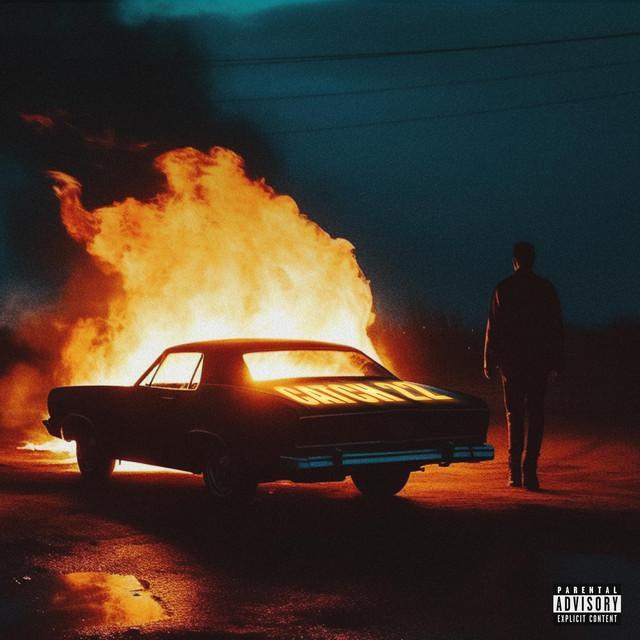
guillotine by Hairu Tokyo
The meaning of guillotine Hairu Tokyo centers on a speaker who knows they are hard to love and impossible to ignore. The song sounds like a confession, a threat, and a dare at the same time. They present a narrator who sees their own flaws clearly, but instead of apologizing, they turn that ugliness into power.
"guillotine" - Hairu Tokyo
You know my voice and seen my face but not everything inside is out
How terrible of me to not explain myself
Loading lyrics...
Unable to load lyrics
We're unable to display the lyrics at this time. Please try again later.
At its core, this is a song about ego under pressure. It explores what happens when someone feels judged, used, admired, and hated all at once. That is why the title image matters: a guillotine suggests a final, violent end point, not a calm resolution.
A Persona Built From Love and Damage
From the opening, the narrator acts like someone answering criticism. They tell listeners they know people have questions, but they also refuse to be fully explained. That tension drives the whole song. They want to be seen, but only on their terms.
A key phrase is one of a kind
. In plain terms, they cast themselves as special, but not in a healthy, inspiring way. Right after that, the song leans into uglier self-labels, including narcissist
. That choice makes the voice feel self-aware.
Interpretation: the song is not simply celebrating selfishness. It may be dramatizing a public persona that survives on contradiction. They are hated and needed, insulting and magnetic, guilty and defensive.
Why the Hook Feels So Brutal
The chorus is where the song’s emotional logic becomes clear. The narrator stops pretending to negotiate. They say there is no soft language left, no patience, and no desire to please.
The sharpest image comes in the line below, which turns burnout into execution:
no more fucks left to give
off with my head
Paraphrased, the speaker feels pushed to such an extreme that only total destruction seems capable of ending the conflict. The guillotine image is not just about death. It symbolizes public punishment, humiliation, and the sense that fame, attention, or leadership can become a scaffold.
The Push-Pull Between Artist and Audience
One of the most interesting parts of the meaning of guillotine Hairu Tokyo is the relationship between the speaker and everyone around them. The song repeatedly suggests that people complain about this person while still staying attached.
That idea appears when the narrator claims they remain on someone’s playlist even when that person hates them. In other words, the bond continues despite resentment. The speaker also says others call them a leader while accusing them of arrogance.
Interpretation: this could describe a musician’s bond with fans, critics, or former friends. The song paints attention as a trap. Once someone becomes a symbol, people project their needs and anger onto them.
Blood, Heat, and Mess as Emotional Symbols
The writing uses violent household imagery to make emotional damage feel close and physical. When the song mentions blood on the carpet
, it is not really trying to tell a crime story. It is showing the aftermath of emotional harm in a familiar place.
Likewise, the kitchen, the need for bread, and the idea of cleaning a mess all point to daily survival. They suggest that the narrator is trying to manage chaos in ordinary life while their reputation spirals. Even the image of people running a fever when they enter a room turns presence into something contagious.
These details make the song feel messy on purpose. This is not polished heartbreak. It is damage left in plain sight.
What the Verses Reveal About Betrayal
Midway through, the song gets more personal. The narrator talks about being given things they did not earn and watching friends become enemies once they started living freely. That shift matters.
Up to that point, the speaker can sound almost cartoonishly arrogant. But these lines add insecurity and paranoia. They suggest shame around success, distrust of other people, and anger at being judged for both rising and falling.
Interpretation: this section may be the song’s clearest emotional truth. The bravado could be armor. When the narrator lashes out, they may be trying to hide guilt, loneliness, or fear of being discarded.
How the Sound Likely Supports the Message
Based on the lyric structure alone, the song appears built for impact: tight verses, a repeated hook, and blunt phrasing that would land hard over aggressive production. The repeated chorus lines suggest a track designed around release and confrontation rather than subtle storytelling.
The language points toward rap-rock, trap-metal, or alternative hip-hop energy, where distortion, heavy drums, and forceful vocal delivery often heighten themes of rage and self-exposure. Even without confirmed production credits, the writing itself implies a sound that hits like a challenge.
That matters because the song’s meaning depends on tone. If performed with sneering intensity, lines about being both hero and fraud become less like facts and more like accusations thrown back at the world.
The Big Takeaway Behind the Blade
In the end, guillotine is about a damaged identity that has learned to turn criticism into theater. The narrator knows they are not innocent. They admit selfishness, cruelty, and emotional exhaustion. But they also insist that the people around them are part of the cycle.
That is what gives the track its sting. It is not a simple villain song, and it is not a clean confession. It lives in the ugly space where power, performance, resentment, and need all overlap.
For many listeners, the meaning of guillotine Hairu Tokyo will come down to this: they are hearing someone who feels trapped inside the version of themselves that everyone else helped create.
Disclaimer: This interpretation is based on the lyrics provided and publicly identifiable song-analysis methods. Without a verified artist statement, some meanings remain interpretive rather than confirmed fact.







