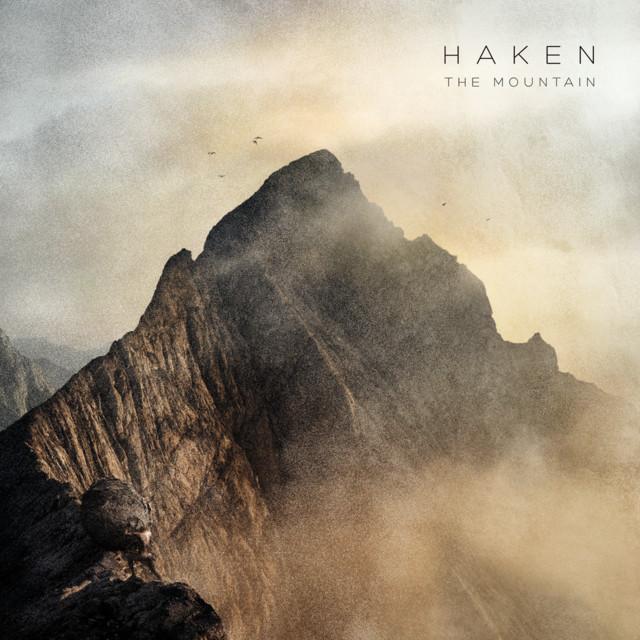
Why Haken's 'Cockroach King' Still Bites
The meaning of Cockroach King Haken comes down to a sharp warning: power built on vanity, greed, and illusion eventually turns rotten. On the surface, the song is witty, theatrical, and even playful. Underneath, it is a dark story about being seduced by success and then discovering that the throne was filthy all along.
"Cockroach King" - Haken
I fantasized (flying with gold wings) about soaring with golden wings (diamonds in my eyes)
Hypnotized (hypnotized by) by (tantalized) the cockroach and its promise (by the cockroach) (blinded by the grand illusion)
Loading lyrics...
Unable to load lyrics
We're unable to display the lyrics at this time. Please try again later.
Released on The Mountain in 2013, the track became one of Haken's best-known songs and later helped shape the larger story world behind Vector and Virus according to the song's documented history on Wikipedia. That long afterlife fits the song itself. It is about how corruption spreads.
The Real Target of the Song's Satire
At its core, the song follows a speaker who is drawn in by shiny promises. They dream of rising above everyone else, chasing wealth and status, and joining the ranks of the powerful. Early images like golden wings
and a grand illusion
show how attractive that fantasy seems.
But the song keeps undercutting that dream. The treasure is not noble. It is false, hollow, and designed for fools. The lyrics repeatedly move from desire to disgust, suggesting that the speaker slowly realizes they were not pursuing wisdom or freedom. They were chasing bait.
Interpretation: This makes the song feel like a critique of political ambition, celebrity culture, and the myth of the self-made winner all at once. That reading is supported by later background: Ross Jennings confirmed in 2021 that the lyrics are political in nature, as summarized by Wikipedia.
Watch the official Cockroach King
music video
A Fall Story Told in Stages
The song's narrative works in a clear arc:
- The speaker is tempted by status and spectacle.
- They follow a false path, thinking success will transform them.
- They recognize the ruler at the center is corrupt.
- The illusion breaks, and the empire starts to collapse.
One of the smartest details is that the speaker is not just mocking the king from a distance. They admit they once wanted to belong to that system. Phrases like self-made man
show the appeal of the myth before the song tears it down.
That self-implication matters. It turns the track from simple satire into a confession. The danger is not only that bad leaders exist. It is that people can be charmed into admiring them.
Why the Cockroach Image Works So Well
The title symbol does a lot of work. A cockroach is hard to kill, unwelcome, and linked with decay. By turning that insect into royalty, Haken creates a ruler who survives by thriving in corruption. The image is grotesque, but it is also effective.
When the chorus presents the cockroach king
on a throne, the song shows a leader who looks powerful yet morally empty. The line about a heart of stone
pushes that idea further. This is someone who turns everything they touch into profit or damage.
Interpretation: The cockroach may represent a political strongman, a greedy executive, or even the worst version of human ambition itself. The lyrics leave room for all three.
Sound as Meaning, Not Just Style
Part of why the song lands so hard is the arrangement. Haken mix bright vocal stacks, quirky rhythmic turns, and heavy riffs in a way that feels both fun and threatening. The band described the track as influenced by English '70s acts like Queen, The Specials, and Gentle Giant, blended with modern metal and what they jokingly called Djentle Djiant
, as quoted in the song's Wikipedia entry.
That description fits the listening experience. The harmonies can sound almost cartoonish, which matches the song's mocking tone. Then the guitars and drums slam in, reminding the listener that this is not harmless comedy. The music mirrors the theme: glamour on the outside, menace underneath.
Jens Bogren's mix is also often praised by fans because it keeps the dense arrangement clear. Every shift feels intentional, which helps the song's dramatic turns read like chapters in a moral fable.
The Great Gatsby, False Success, and American Dreams
One lyric reference stands out for U.S. listeners: The Great Gatsby. That nod pulls the song toward a critique of wealth worship and empty success. In that frame, the track is not only about one bad ruler. It is about a culture that confuses glitter with value.
The same section points to a road from poverty to riches that leads nowhere. That is a brutal reversal of the classic dream of reinvention. The song argues that if success is built only on image and appetite, it ends in spiritual collapse.
Richard Henshall also said in 2023 that the song was partly inspired by Fear and Loathing in Las Vegas, again noted by Wikipedia. That helps explain the hallucinatory tone: the song often feels like a vision where ambition, irony, and self-deception blur together.
Why the Ending Feels Like a Reckoning
By the final section, the empire weakens and the fantasy burns off. The speaker no longer sees glory. They see multiplication, contamination, and ruin. Even the king's crown is broken.
That ending is important because it does not offer a neat victory lap. The damage has already spread. In other words, corrupt power does not fall before infecting the world around it.
Final Take on the Meaning
The meaning of Cockroach King Haken is a warning about what happens when people worship power without ethics. The song shows how greed can look grand, how false leaders attract followers, and how illusions collapse too late for everyone they touch.
That is why the track still feels fresh. It is theatrical, catchy, and strange, but its target is painfully familiar.
Disclaimer: This interpretation separates documented facts from informed reading. As with most great songs, some meanings remain open to the listener.







