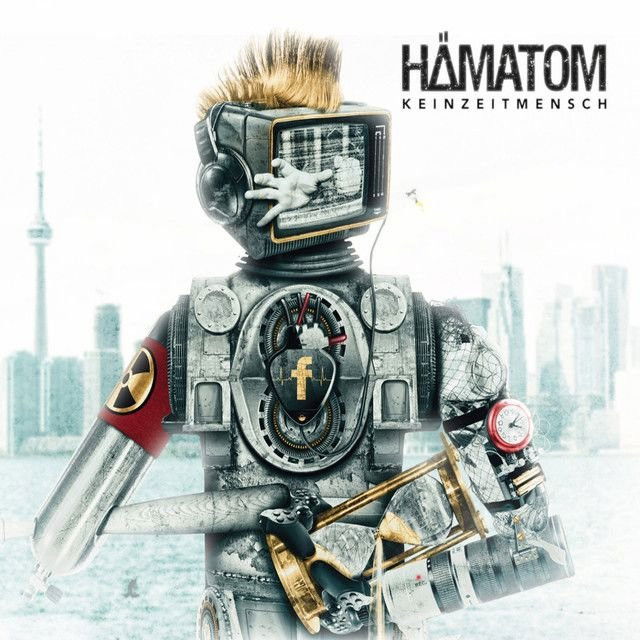
Why Hämatom’s “Alte Liebe” Still Burns
The meaning of Alte Liebe rostet nicht Hämatom comes down to a simple but emotionally sharp idea: some relationships end, but they do not leave. Hämatom build the song around a German proverb about old love never rusting, then test that proverb against memory, grief, and longing.
"Alte Liebe rostet nicht" - Hämatom
Als mich dieser Lichtstrahl traf
Hielt sie im Arm fast engelsgleich
Loading lyrics...
Unable to load lyrics
We're unable to display the lyrics at this time. Please try again later.
Rather than treating old love as sweet nostalgia, they present it as something more complicated. In this song, the past is not gone. It keeps speaking, healing, hurting, and pulling the narrator back.
A Love Song About What Survives
At its core, the track tells the story of a first deep connection that still feels spiritually alive years later. The opening remembers youth, fear, and sudden transformation. A beam of light changes everything, and the beloved appears almost sacred, framed with innocence and beauty.
That setup matters because it explains why the later loss feels so final. This was not casual romance. It was the kind of love that can divide life into before and after.
Interpretation: The repeated line Alte Liebe rostet nicht
is not just a saying here. It works like a verdict. No matter what time does, the old bond remains emotionally active.

Watch the official Alte Liebe rostet nicht
music video
The Story Moves From Wonder to Ruin
The lyrics unfold in a clear sequence:
- A young speaker meets a pure, almost angelic partner.
- They step together into a new life, a
fremdes Land
, or “foreign land.” - Something breaks in the shared home and warmth disappears.
- The speaker tries other experiences and lovers, but none satisfy.
- In the end, the old emotional rhythm still returns.
That middle turning point is the song’s darkest image. When the wick of the achten Kerze
breaks, the last glow in the house goes out and ash settles over the roof. The song never explains this literally, which gives the image power. It could suggest a breakup, a family collapse, or even death.
The Chorus Turns Memory Into Fate
The chorus is what makes the song feel bigger than a private diary entry. Angels speak, the sun reveals its face, scars heal slowly, and spring itself seems to confirm the message. Old love lasts.
Those natural and spiritual images make the feeling sound universal rather than personal. Hämatom are not saying only one person cannot move on. They are saying love can outlast damage.
Tiefe Narben langsam heilen
Gedanken noch sehr lang verweilen
This brief passage captures the song’s balance well. Pain can fade, but thought lingers. Healing is possible, yet memory remains stubborn.
The Sharpest Line in the Song
One of the strongest moments comes when the narrator admits trying many verbotene Früchte
—forbidden fruits—both loudly and quietly. In plain English, they have looked for distraction, escape, and replacement.
Then comes the blunt metaphor: thousands of knives are useless when one really wants a fork. The point is not violence. It is mismatch. No matter how many options appear, none serve the specific emotional need left by the lost love.
That image keeps the song from becoming vague. It gives the listener a practical way to understand longing: substitutes can be abundant and still completely wrong.
Symbols That Carry the Meaning
Several motifs repeat through the song and deepen the meaning of Alte Liebe rostet nicht Hämatom:
Light, ash, and seasons
The song starts with light and ends with spring. Between those points, it passes through ash, broken flame, and scars. That movement suggests a cycle from awakening to devastation to partial renewal.
Still, renewal does not erase the past. Spring does not create a new love. It confirms the survival of the old one.
Angels and innocence
Angels appear both at the beginning and in the chorus. They connect the relationship to purity, reverence, and memory. The beloved is not described in ordinary terms. They are elevated, almost untouchable.
Interpretation: This may show how memory idealizes the past. The old love may be real, but it is also polished by time.
Two souls in conflict
Near the end, the song becomes openly divided. Zwei Seelen
live in one chest: one is love, the other frustration. That is the clearest statement of inner war in the lyric.
The final claim that one of them must die for happiness is dramatic, but it fits the song’s emotional scale. The speaker feels unable to carry devotion and bitterness at the same time.
Why Hämatom’s Sound Fits the Theme
Hämatom are known in German rock and metal for theatrical delivery, masked identities, and a style that mixes heavy riffs with anthem-like hooks, as noted on the band’s official channels and major music profiles such as Hämatom Official and Discogs. That sound matters here.
A softer arrangement might have turned the song into plain nostalgia. Instead, the weight of the guitars and the force of the chorus make the memory feel unavoidable. The song does not drift backward gently. It surges.
That production choice supports the lyric’s core message. Old love is not a faded photograph. It is still loud enough to shake the present.
Final Reading: Comfort or Curse?
The best way to read the song is as both a tribute and a warning. On one hand, enduring love can feel noble. On the other, it can trap someone inside an idealized past.
So the meaning of Alte Liebe rostet nicht Hämatom is not merely that true love lasts. It is that lasting love can become identity. Even after wounds heal, the heart may still move in step with what it lost.
That tension is what gives the song its power. It does not offer clean closure. It offers recognition.
Disclaimer: This interpretation is based on the lyrics provided and publicly available artist context. As with all songs, meaning can vary from listener to listener.








