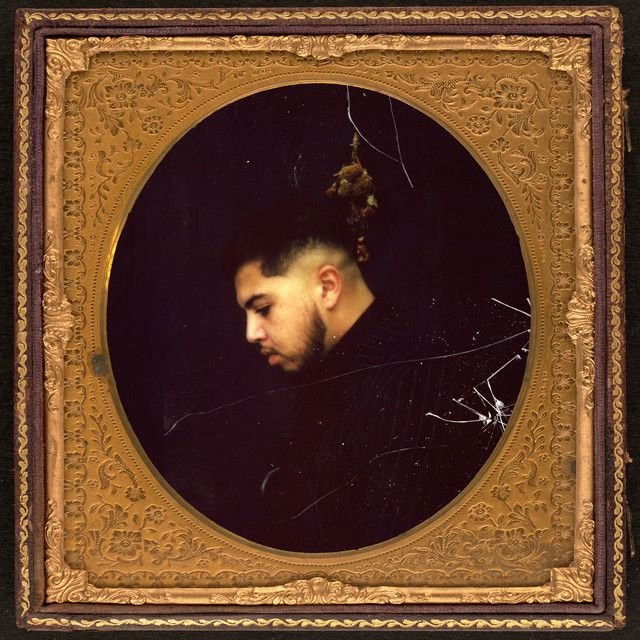
Why Hamza’s Night Never Really Ends
The meaning of Au Bout De La Nuit Hamza centers on a lifestyle that looks glamorous on the surface but feels tense underneath. Hamza frames the night as a place of money, clubs, status, and motion, yet he never lets the listener forget the pressure that comes with it.
"Au Bout De La Nuit" - Hamza
Mon métal me suit jusqu'au bout de la nuit, bébé
J'charbonne tout l'été
Loading lyrics...
Unable to load lyrics
We're unable to display the lyrics at this time. Please try again later.
In simple terms, the song is about lasting through the darkness. That darkness is literal nightlife, but it also suggests a state of mind: hustle without rest, pleasure mixed with risk, and success watched by enemies.
The Real Core of the Song
At the center of the track is a repeated idea: Hamza keeps going until the night is over, and even then the feeling of pressure does not disappear. When he says mon métal me suit
, the image hints at protection, danger, and the constant need to stay ready.
That line matters because it changes the song from a simple flex track into something more uneasy. They are not just showing wealth. They are showing what it feels like to live with success in a world where admiration and threat can exist side by side.
Interpretation: the song treats nightlife as both reward and battlefield. The club is a place to celebrate, but also a place where image, rivalry, and survival all matter.
Luxury, Work, and the Cost of Image
One of the strongest details in the song is how often work and wealth appear together. Hamza does not only brag about what he has; he reminds listeners that he has been grinding for it. The phrase j'charbonne tout l'été
points to nonstop labor, giving the song a backbone beyond partying.
That is important in the meaning of Au Bout De La Nuit Hamza because the expensive details are not random. Mentions of designer items, cash, and bottles create the visible result of effort. But they also show a performer who must keep proving that result in public.
The image of billets violets dans le LV
is a good example. It is flashy, but it is also performative. Money here is not private comfort; it is a sign of rank.
A Club Song With Paranoia Built In
The setting is mostly nocturnal and social. After midnight, the song moves into the club, where intoxication, music, and status take over. Yet even there, the tone is not carefree.
Hamza keeps returning to the presence of rivals. The repeated address to a jealous other person makes the song feel like a confrontation. When he insists t'es haineux je le sais
, he turns the room into a place of surveillance. They see the envy around them, and they answer it with confidence.
That tension is why the track feels sharper than a standard party record. Every glamorous image has a shadow attached to it.
How the Hook Pulls Everything Together
The chorus is the song’s anchor. It repeats the link between the night, constant work, and guarded movement. Because it circles back so often, it turns the whole track into a loop of ambition and alertness.
Mon métal me suit
jusqu'au bout de la nuit
Even in this brief moment, the emotional message is clear. The night is not freedom alone. It is a test of endurance.
Interpretation: the hook suggests that success does not create peace. It creates a longer night, where a person has more to protect and more people watching.
The Small Images That Build the World
Several short images deepen the song’s meaning. Smoke, alcohol, luxury brands, and the back of the club all help paint a scene of excess. But these images also create emotional distance.
When Hamza places himself in the background of the club instead of the center, he seems both present and detached. They are inside the party, but not fully relaxed within it. That is why even a phrase like dans le fond du club
feels revealing.
The song also uses repetition heavily. Repeating enemies, objects, and nightlife details makes the track feel obsessive on purpose. It mirrors a mind circling the same things: money earned, threats noticed, image maintained.
Hamza’s Style Helps Explain the Meaning
Hamza, a Belgian artist known for blending rap, trap, and melodic delivery, often builds songs around atmosphere as much as plot. General artist background and discography information are available through sources like Wikipedia and music platforms such as Genius artist pages. Here, that style matters.
The production implied by the lyrics is sleek and nocturnal: likely bass-heavy, spacious, and repetitive enough to feel hypnotic. That sonic approach supports the message. A dark, looping beat makes the listener feel trapped in the same late-night cycle that the lyrics describe.
Their vocal approach likely matters just as much. Hamza’s half-sung, half-rapped delivery often creates emotional ambiguity: confident on the surface, but cool enough to suggest distance. In a song like this, that balance helps sell both the flex and the fatigue behind it.
One More Reading: Is the Night Also a Metaphor?
There is a broader way to hear the song. Interpretation: the night may symbolize more than clubs. It can stand for the entire period of struggle and exposure that comes with fame.
Under that reading, the luxury details are trophies, while the references to jealousy and protection reveal the emotional tax. They have made it, but arrival does not end anxiety.
That makes the song memorable. It captures a modern rap contradiction: public victory and private vigilance happening at the same time.
Final Take on the Song’s Message
The meaning of Au Bout De La Nuit Hamza is not just that nightlife is exciting. It is that nightlife becomes a stage where work, wealth, danger, and ego all meet. Hamza presents a world where triumph has to stay awake.
That is why the song lands with more weight than its surface details suggest. It sounds like a flex, but it also feels like a warning.
Disclaimer: This interpretation is based on the lyrics provided, commonly understood French slang, and Hamza’s broader artistic style. As with any song, meaning can remain open to listener interpretation.








