Why 'A Country Boy Can Survive' Still Hits
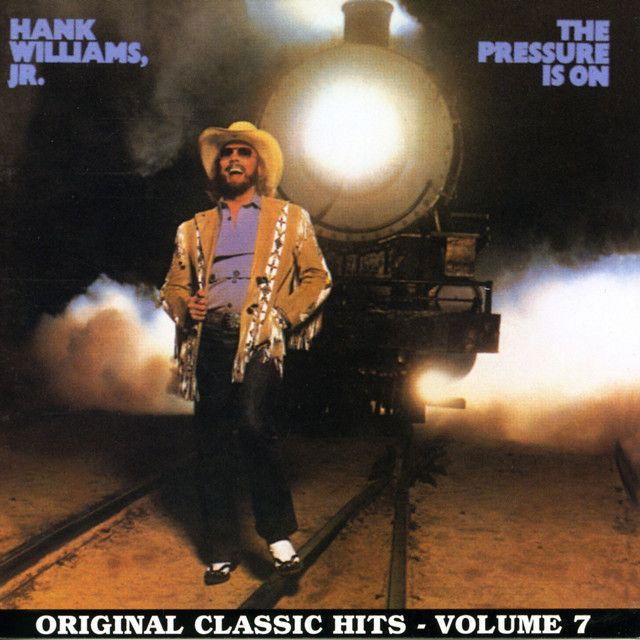
The meaning of A Country Boy Can Survive Hank Williams, Jr. starts with a simple idea: people who know how to live off the land do not break easily. Released on The Pressure Is On in 1982, the song became one of Hank Williams Jr.'s defining hits, reaching No. 2 on Billboard's country chart and later earning major long-term sales recognition (Wikipedia).
"A Country Boy Can Survive" - Hank Williams, Jr.
And the Mississippi River, she's a going dry
The interest is up and the stock markets down
Loading lyrics...
Unable to load lyrics
We're unable to display the lyrics at this time. Please try again later.
More than a tough-guy anthem, the track frames country life as a full system of values. It argues that practical skill, family, manners, faith, and self-reliance matter more than status or city polish.
The Core Message Beneath the Boast
At the center of the song is a contrast: modern America feels unstable, but rural people endure. Early lines describe a world of bad news, economic trouble, and urban danger. Against that backdrop, the narrator answers with a home life built around family, tools, and know-how.
That is why the hook lands so hard. When the song repeats country boy can survive
, it is not only talking about hunting or driving a truck. It is claiming a whole identity that can outlast social decline.
Interpretation: The song is less about isolation than independence. It does not say country people need no one at all. It says they have preserved knowledge that modern life has forgotten.

Watch the official A Country Boy Can Survive
music video
A Rural Creed, Line by Line
The verses build that idea through work and routine. The narrator says they can farm, fish, make homemade goods, and feed a household. Short phrases like plow a field
and catch catfish
are not random details. They show survival as labor, not fantasy.
Even the line about making whiskey and growing our own smoke too
fits that pattern. Listeners often debate whether "smoke" means tobacco or marijuana; both readings appear in fan discussions and commentary. But the larger meaning stays clear: the singer values producing what they use rather than buying dependence from the outside world.
The Chorus as a Statement of Identity
The chorus also gives the song its moral code. The narrator says country people were raised on shotguns
, but that toughness sits beside manners and religion. They say grace. They say ma'am.
That pairing matters. Williams Jr. is not painting the country figure as wild or lawless. He is presenting them as disciplined, armed if needed, but guided by custom. The song's pride comes from believing that strength and courtesy can live together.
When the Song Turns Dark
The most important shift comes in the story about the friend in New York City. Before that point, the song sounds like a rough celebration. Then it becomes a lament.
The two men trade symbols of their worlds: Broadway pictures from the city and homemade wine from the country. That exchange suggests affection across cultural lines. The city friend may tease him as a hillbilly, but there is still mutual respect.
Then the friend dies in a street crime. Suddenly the rural-versus-urban contrast is no longer playful. The narrator sees the city as a place where a life can be taken over a small amount of money. That tragedy sharpens the song's anger and helps explain its aggressive revenge fantasy.
Interpretation: This section is key to the meaning of A Country Boy Can Survive Hank Williams, Jr. The song is not only praising country life; it is mourning what the narrator thinks modern America has become.
How Hank Jr.'s Sound Supports the Meaning
The production helps sell that worldview. The recording is built on sturdy country-rock basics: assertive drums, electric guitar, and a plainspoken vocal that sounds more conversational than polished. According to reference sources, the track was produced by Jimmy Bowen and Hank Williams Jr. (Wikipedia).
That sound matters because it avoids softness. The groove feels steady and grounded, almost like a march. Williams Jr.'s voice carries a lived-in grit, which makes the song feel less like theater and more like testimony.
American Songwriter noted that this era followed the path he carved after stepping out from his father's shadow in the 1970s (American Songwriter). That context matters. The song's confidence mirrors an artist who had built a distinct identity of his own.
Why the Song Lasted So Long
The song lasted because its message could be reapplied to new moments. After 9/11, Williams Jr. reworked it as "America Will Survive," and later versions and anniversary releases kept the original in circulation (Wikipedia).
Its staying power comes from three things:
- a memorable chorus
- a clear social divide between country and city
- a deep promise of endurance
For many listeners, that promise feels empowering. For others, the song can sound defensive or confrontational. Both reactions are part of its legacy.
The Bigger Meaning Today
Today, the song still reads as a declaration of rural dignity. It says people outside big cities are not backward; they are capable. It also suggests that old skills still matter when systems fail.
Interpretation: At its strongest, the song is about resilience, heritage, and earned pride. At its most divisive, it turns that pride into a hard line between "us" and "them." That tension is exactly why the record remains memorable.
In the end, the meaning of A Country Boy Can Survive Hank Williams, Jr. is not subtle, but it is powerful. It argues that survival is practical, cultural, and moral all at once.
Disclaimer: This article offers an interpretation of the song based on the lyrics, recording context, and documented reception. Meaning can vary by listener.









