Why Hank Jr.'s 'Ain't Misbehavin'' Still Charms
The meaning of Ain't Misbehavin' Hank Williams, Jr. starts with a simple promise: the singer is staying faithful, even while alone. It is a love song about self-control, patience, and choosing one person over every other distraction. That sounds easy, but the song makes that choice feel warm rather than heavy.
"Ain't Misbehavin'" - Hank Williams, Jr.
No one to walk with, but I'm happy on the shelf
Ain't misbehavin', savin' my love for you
Loading lyrics...
Unable to load lyrics
We're unable to display the lyrics at this time. Please try again later.
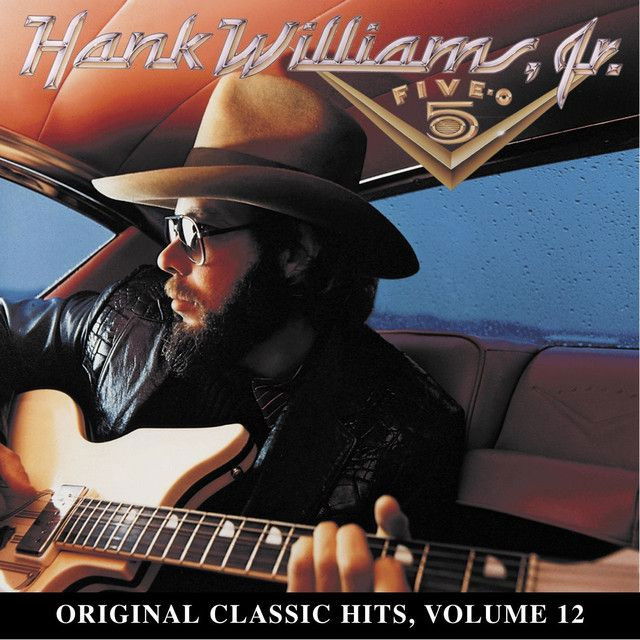
Hank Williams Jr. did not write the song. It began in 1929 as a standard by Andy Razaf, Fats Waller, and Harry Brooks, first tied to the revue Hot Chocolates and later recorded by many artists. According to Wikipedia, Williams Jr.'s 1985 version on Five-O reached No. 1 on Billboard's Hot Country Singles chart and earned a Grammy nomination. That history matters, because his recording turns a jazz-era classic into an easygoing country statement of devotion.
The Heart of the Message
At its core, the song is about being tempted by loneliness but refusing to betray a relationship. The speaker says they are by themselves, with no company, yet they are still content to wait. When the refrain lands on ain't misbehavin'
, it is not bragging. It sounds more like a reassuring note sent to a partner who is not there.
That is why the song has lasted for decades. It takes a common romantic claim—"I will be true"—and gives it everyday details. They are not fighting dragons or making grand speeches. They are staying home, passing time, and keeping their feelings steady.
Watch the official Ain't Misbehavin'
music video
Loneliness Without Self-Pity
One of the smartest parts of the lyric is how it shows solitude without turning bitter. Early lines describe being alone and having no one around to fill the evening. But the tone does not collapse into sadness. Instead, the singer accepts the quiet and frames it as proof of commitment.
When they mention being all by myself
, the point is not misery for its own sake. The point is that loneliness becomes a test of character. The song suggests that love is most real when nobody is watching.
Everyday Images Make It Believable
The lyrics stay grounded in ordinary routines. They mention being home early and spending time with me and my radio
. Those little details make the promise feel human. This is not fantasy romance. It is about what loyalty looks like on a normal night.
I'm through with flirtin'
just you I'm dreamin' of
That brief moment sums up the song's emotional turn. The speaker is no longer playing the field. They have moved from casual attention to serious attachment.
How the Verses Build the Theme
Each verse adds a layer to the same idea:
- First, the singer admits they are alone.
- Next, they declare certainty about who they love.
- Then, they describe a quiet routine that proves that loyalty.
This structure matters. The song does not just say, "trust me." It shows why the listener should trust the speaker. They stop flirting, stop staying out, and stop caring about outside excitement. Even the playful image of sitting like Jack Horner in the corner
gives the song a slightly comic touch, as if the singer knows they may look boring to others but does not mind.
Interpretation: That playful humor keeps the song from sounding stiff. The speaker is faithful, but not self-righteous. They seem pleased by their own restraint.
Why Hank Williams Jr.'s Version Works
Williams Jr. recorded the song during a strong commercial period. His album Five-O helped define his 1980s run, balancing mainstream country appeal with his rougher Southern persona. That contrast is part of what makes this performance effective. A singer known for rowdy energy takes a song about behaving himself, and that tension gives the recording extra charm.
His vocal delivery is relaxed and confident. He does not oversell the message. Instead, he lets the listener hear the smile in the performance. That matters because the lyric can feel old-fashioned on paper. In his hands, it feels natural, almost conversational.
Country Production Changes the Meaning
The original song came from the jazz world, with stride and swing roots. Williams Jr.'s version shifts the center of gravity toward country. The rhythm feels steadier, the phrasing is plainer, and the arrangement supports the lyric rather than decorating it.
That stylistic move changes the emotional effect. In jazz, the song can sound flirtatious and sly. In country, it leans more toward sincerity and domestic calm. The production invites listeners to hear commitment, not just cleverness.
A Standard Recast for Country Audiences
There is also a broader cultural reason this version connected. By the 1980s, "Ain't Misbehavin'" was already an American classic, revived again by the hit 1978 musical of the same name. The Library of Congress has also recognized the song's larger historical importance through the National Recording Registry for Fats Waller's famous recording. So when Williams Jr. sang it, he was not introducing a forgotten tune. He was joining a long tradition.
For country listeners, that tradition met familiar values: loyalty, plain speech, and pride in keeping one's word. His version strips away any distance that a 1929 standard might carry and makes the song feel at home in a modern country setting.
Final Take on the Song's Meaning
The meaning of Ain't Misbehavin' Hank Williams, Jr. is faithful love expressed through small choices. It is about waiting, resisting temptation, and finding peace in devotion rather than excitement. The song's power comes from how modest it is.
Interpretation: Williams Jr.'s recording succeeds because it treats loyalty as both romantic and practical. It says real love is not only passion. It is what they do when the night is quiet and nobody else is around.
Disclaimer: Song meanings can be subjective. This reading blends documented context with interpretation of the lyrics, vocal delivery, and arrangement.







