Why 'Attitude Adjustment' Hits So Hard
The meaning of Attitude Adjustment Hank Williams, Jr. starts with a joke that gets darker the longer they sit with it. On the surface, the song is a rowdy country story song about fights, bad tempers, and people getting “straightened out” by force. But under that comic setup, it also shows how pride, macho behavior, and violence feed each other.
"Attitude Adjustment" - Hank Williams, Jr.
In the bar the other night
And he got a little drunk
Loading lyrics...
Unable to load lyrics
We're unable to display the lyrics at this time. Please try again later.
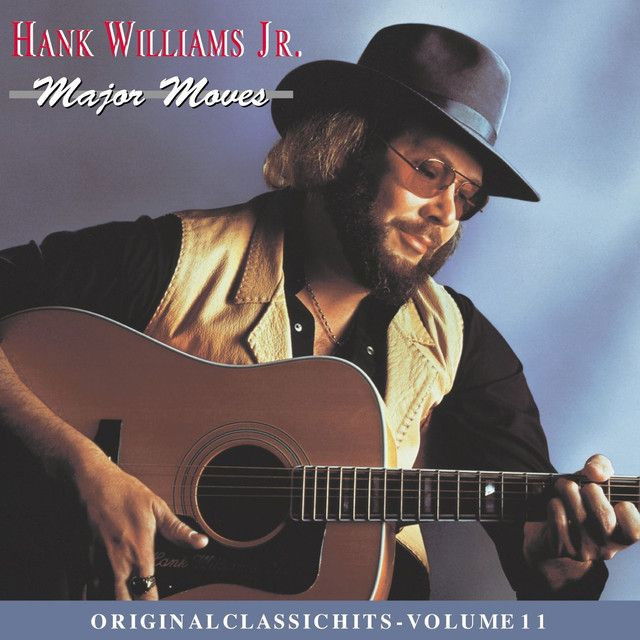
Released in 1984 as the lead single from Major Moves, the song reached No. 5 on Billboard’s country chart, showing how well its rough-edged humor fit Hank Jr.’s outlaw-flavored image in the era of his biggest hits (Billboard chart summary). It was written and recorded by Williams Jr., and produced by Jimmy Bowen and Williams Jr., according to song details.
The Big Idea Behind the Barroom Laugh
At its core, the song is about people who act tough until pain teaches them limits. Each verse follows the same pattern: someone loses control, gets hit back harder, and suddenly changes their behavior. The chorus wraps that lesson in the phrase attitude adjustment
, which turns violence into a sarcastic life coach.
That irony matters. The song does not present calm growth or honest reflection. It presents physical force as a quick fix for arrogance. That is why the track can sound funny and unsettling at the same time.
Interpretation: The song is less a moral guide than a portrait of a world where respect is enforced physically. In that world, people do not learn through empathy. They learn through embarrassment, pain, and fear.

Watch the official Attitude Adjustment
music video
How the Story Builds Its Rough Message
The first verse sets the tone in a bar. A drunk man picks a fight and gets put down fast. The image of him using his head for a mop
is cartoonish and exaggerated, which helps make the scene feel like honky-tonk comedy instead of realism.
Then the song raises the stakes. In the second story, the narrator clashes with a brother-in-law and answers violence with a tire tool. In the third, a domestic argument turns ugly, and the narrator claims he gave a partner a little adjustment
. That verse is the hardest part of the song for modern listeners.
She called the cops to take me in
Oh yes we will
The final verse flips the pattern. After acting like the one in control, the narrator gets beaten by police and a dog, and suddenly they are the one receiving the “adjustment.” That twist is key because it turns the song’s joke back on its speaker.
The Chorus: Comedy, Threat, and Self-Exposure
The chorus sounds catchy and simple, but it does more than repeat a hook. Every time Williams Jr. sings work every time
, the phrase grows more loaded. At first it sounds like a swaggering punchline. By the end, it sounds like a confession that brute force rules this whole world.
This is where the meaning of Attitude Adjustment Hank Williams, Jr. gets sharper. The title phrase is not really about personal growth. It is a euphemism, almost a sales pitch, for being beaten into compliance.
Interpretation: The repetition may be mocking the people who believe force solves everything. Since the singer ends up on the receiving end, the song undercuts its own tough-guy bragging.
Hank Jr.'s Persona Shapes the Meaning
Hank Williams Jr. built a public image around rebellion, country bravado, and hard-living independence in the late 1970s and 1980s. Songs like this worked because audiences already knew the character: loud, funny, dangerous, and proud of it.
That context matters. A different singer might sound purely cruel or shock-driven. With Hank Jr., the song fits a larger performance style that mixes Southern humor, barroom storytelling, and outlaw swagger. They often leaned into exaggerated masculinity, and this track pushes that image almost to parody.
Still, context does not erase the song’s harsh moments. It only explains why so many listeners heard it as rowdy entertainment in 1984.
What the Sound Adds to the Lyrics
Musically, the song moves fast and hits hard. It uses a tight country band feel, with a driving rhythm section, electric guitar, and a vocal delivery that sounds half grin, half growl. The arrangement does not pause to reflect. It barrels ahead, matching the chain-reaction violence in the story.
That production choice is important. A slower performance might invite sympathy or regret. This one emphasizes momentum, punch lines, and audience reaction. The music makes each verse land like a setup-and-payoff joke.
Williams Jr.’s voice also sells the song’s attitude. They sound amused, not wounded, until the last verse. Even then, the humor stays in place. That keeps the tone unstable: listeners may laugh, but they are also hearing how normal cruelty can sound when wrapped in a catchy chorus.
A Modern Reading of the Most Controversial Verse
Today, the verse about the girlfriend is likely to stop many listeners cold. What may once have been heard by some as crude comedy now reads far more clearly as abuse. That shift says as much about cultural change as it does about the song itself.
A useful reading is to separate factual description from interpretation. Factually, the song tells a sequence of violent incidents and frames them as corrections. Interpretation: modern listeners may hear the track as an example of how older popular music often treated domestic violence and macho aggression too casually.
The police ending complicates that attitude. The narrator finally gets the same treatment they praised earlier, and the song closes with their outlook changed. That does not undo the earlier harm, but it does create a circular lesson: anyone can become the next target in a violent culture.
Final Take on the Song's Meaning
So, what is the meaning of Attitude Adjustment Hank Williams, Jr.? It is a darkly funny country hit about force, pride, and the ugly idea that pain can teach respect faster than words. Its humor, hook, and performance make it memorable, but the final result is more complicated than a simple fight song.
For some, it plays like satire of macho culture. For others, it sounds like a product of its time with disturbing blind spots. Both readings have evidence in the song.
Disclaimer: Song interpretation is never fully objective. This reading blends chart and release facts with informed analysis of lyrics, tone, and cultural context.







