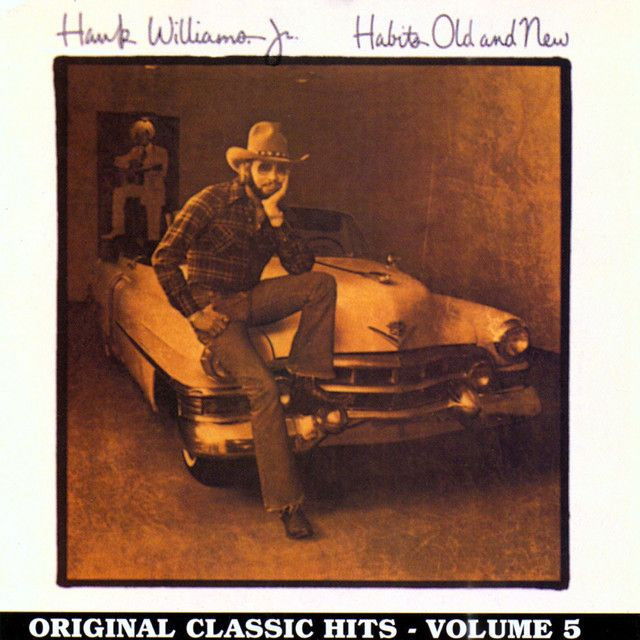
Dinosaur by Hank Williams, Jr.
The meaning of Dinosaur Hank Williams, Jr. starts with a simple feeling: they are standing in a room that used to make sense, and now it does not. The song is not subtle about that discomfort. It presents a narrator who looks around a club, hears the music, sees the fashions, and realizes the culture has moved on without them.
"Dinosaur" - Hank Williams, Jr.
And they sure don't look like cowboy boots
And that ain't rock and roll you're playin'
Loading lyrics...
Unable to load lyrics
We're unable to display the lyrics at this time. Please try again later.
Released in 1980, “Dinosaur” arrived at a moment when country music, pop crossover sounds, and disco were all colliding. Hank Williams Jr. had ties to the outlaw movement, but this song leans traditionalist. As American Songwriter notes, the track frames him as someone defending older musical values while accepting that others may see him as out of date.
What the Song Is Really Saying
At its core, “Dinosaur” is about cultural alienation. The narrator walks into a once-familiar hangout and no longer recognizes the sound, the style, or the mood. They hear music that, to them, is neither true country nor honest rock and roll. Early in the song, they dismiss what is being played as not rock and roll
and not country or rhythm and blues
either.
That matters because the complaint is larger than genre. The singer is really talking about identity. If the music in the room has changed, then the people, values, and rituals around it have changed too. The old codes of the barroom have been replaced by something brighter, slicker, and less grounded.
Interpretation: The song is less about one specific band on stage than about the speed of social change. The narrator feels like the world now rewards trends they do not trust.
Watch the official Dinosaur
music video
Why the “Dinosaur” Image Hits So Hard
The chorus gives the song its whole argument. When the singer says I'm a dinosaur
, they are using self-mockery as a defense. They know how they look to younger crowds: old-fashioned, stubborn, maybe even obsolete.
But the line also carries pride. A dinosaur is ancient, yes, but it also suggests scale, toughness, and survival. The narrator is not begging to fit in. They are saying, in effect, that if the new world demands total surrender, they would rather leave.
That is why the repeated question about where's the door?
matters. It turns discomfort into action. Instead of adapting to the room, the singer chooses the exit.
A Barroom Story About More Than a Bar
The verses are concrete and cinematic. The narrator notices shoes, stage style, subject matter, lights, and the whole mood of the club. They remember when the place felt rougher, looser, and more familiar. Back then, fun came from the jukebox, a little smoke, a drink, and a code of behavior they understood.
Now the room feels artificial. The flashing lights make them uneasy, and the club itself seems transformed. One of the song’s sharpest images describes a place that has turned from a honky-tonk into something alien, almost like a machine. That image captures the emotional point: modernization has made the old space feel unlivable.
The flashing lights sure make me dizzy
This disco's very strange to my ear
These short lines sum up the conflict. The problem is sensory before it is ideological. The singer does not just dislike the new scene; they physically feel out of place inside it.
How Hank Jr.’s Persona Shapes the Meaning
The meaning of Dinosaur Hank Williams, Jr. gets stronger when heard through his public image. As the son of Hank Williams, he carried one of country music’s heaviest legacies. Over time, he built his own style by mixing Southern rock, outlaw country, and rowdy performance energy, as reflected in his career overview at Encyclopaedia Britannica.
That makes “Dinosaur” interesting. Hank Jr. was not a pure traditionalist in the strictest sense. He had modernized his own sound. Yet here he draws a line. He can bend country toward outlaw swagger, but he resists changes that feel disconnected from country’s roots.
Interpretation: That tension is part of the song’s power. It is not sung by a museum curator. It is sung by a rebel who has decided that even rebels have limits.
How the Music Supports the Message
Production-wise, the song works because it sounds grounded. Its country framework is direct, uncluttered, and bar-band friendly. The instrumentation supports the narrator’s point of view instead of contradicting it with trendy studio gloss.
That matters because the lyric attacks a scene built around spectacle. Against that backdrop, a straightforward country arrangement becomes part of the argument. The song sounds like the world the singer wants to defend.
Hank Jr.’s vocal delivery also helps. He does not sing with sadness so much as irritation mixed with humor. That tone keeps the song from becoming self-pitying. Even when they call themselves a relic, they sound defiant.
The Song’s Limits and Lasting Appeal
Some lines in “Dinosaur” reflect attitudes that many listeners today will find dated or uncomfortable. That is part of the record’s historical context, and it should be acknowledged plainly. The song captures one man’s reactionary response to cultural change, not a neutral truth.
Even so, the emotional core still lands. Many listeners know the feeling of entering a familiar space and realizing its rules have changed. They may not share every complaint in the song, but they understand the loneliness behind it.
Final Take on Its Meaning
So, what is the meaning of Dinosaur Hank Williams, Jr.? It is a song about recognizing that a culture they loved has changed beyond recognition and deciding not to pretend otherwise. It mixes nostalgia, resistance, humor, and pride into a sharp country statement.
More than anything, “Dinosaur” endures because it names a fear people often keep private: the fear of becoming outdated while still believing their values matter.
Disclaimer: This interpretation is based on the song’s lyrics, historical context, and Hank Williams Jr.’s public persona. As with any song, listeners may hear its meaning differently.








