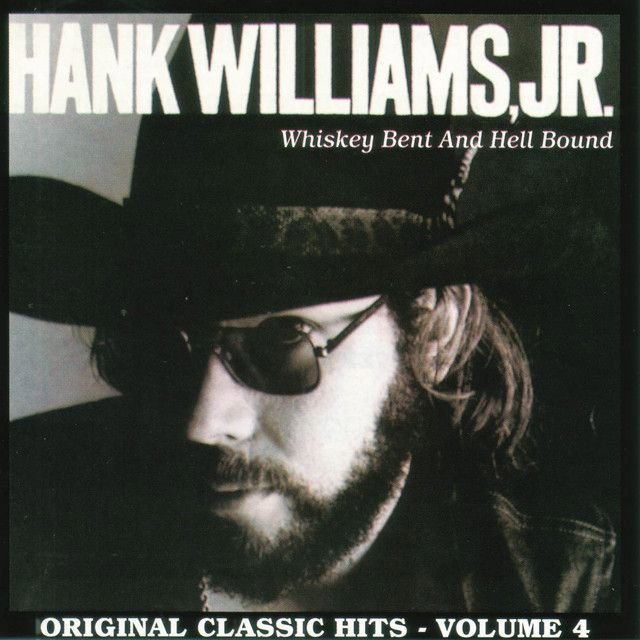
Old Nashville Cowboys by Hank Williams, Jr.
A sad country portrait with a wider target
The meaning of Old Nashville Cowboys Hank Williams, Jr. starts with one worn-down man, but the song reaches far beyond him. It tells the story of an aging Nashville artist whose best years are behind him, whose body is tired, and whose faith in the music business is badly damaged.
"Old Nashville Cowboys" - Hank Williams, Jr.
He was bent by his years and the fight with the wine
With a head full of music and an old nursery rhyme
Loading lyrics...
Unable to load lyrics
We're unable to display the lyrics at this time. Please try again later.
This is not just a barroom lament. It is also a protest song in quiet form. Through one old singer, Hank Williams Jr. and the songwriters show how a business can celebrate talent when it is profitable, then forget the people who built it.
Watch the official Old Nashville Cowboys
music video
The central figure: one man, many broken promises
The first verse sketches a heavy life in just a few lines. The old cowboy is described as bent by age and by drinking. He carries music in his head, but also grief in his heart. That contrast matters. He still loves the art, yet life has drained him.
When he says they cheated
and stole
, the song moves from private pain to public blame. His complaint is not only about getting old. It is about feeling used. He once believed he was part of a family, but that sense of belonging vanished when he became less valuable.
An industry metaphor that bites
One of the song's sharpest images is the phrase mother load finders
. The writers compare music-business people to miners chasing gold. In plain terms, they suggest some people dig into artists for profit, taking what is precious and leaving little behind.
That image gives the song its moral center. The old cowboy is not framed as a perfect hero. He has made mistakes. But the song insists that personal flaws do not erase exploitation.
What the chorus is really asking
The chorus asks, where are the cowboys
, then wonders who killed old myths of decency and bravery. Paraphrased, the song is asking where the honorable figures went and why the cultural world now seems upside down.
good guys on TVseem bad, and the old singers are left behind.
This brief turn widens the message beyond Nashville. The song sees a culture where values have flipped. Heroes look false, truth feels harder to find, and older artists seem stranded in a world they helped create.
Story beats that build the meaning
The narrative moves in a clear arc:
- They introduce a veteran artist broken by time, drink, and sadness.
- He explains that the industry took his youth and spirit.
- The chorus turns his complaint into a larger question about lost honor.
- The final verse shows him near the end, with little comfort and little dignity.
- The closing lines suggest that hard luck becomes cheap once fame is gone.
That structure is important. The song begins as a character study and ends as social criticism.
The role of Hank Williams Jr. context
Hank Williams Jr. was born into country music mythology as the son of Hank Williams, one of the genre's defining figures. The elder Williams helped shape the emotional and commercial language of country music and recorded with the Drifting Cowboys, a band name that still echoes through country history.
That family history adds weight here. Even if the song is not about one specific person, Hank Jr. is singing from inside a tradition built by men who were praised, overworked, mythologized, and sometimes destroyed. That makes the song feel less like a distant observation and more like an insider's warning.
How the sound carries the message
Factually, the song was written by Billy McClelland and Rock Killough. The lyrics fit a classic country frame: plain language, strong images, and a chorus built to linger. Even on the page, the rhythm feels conversational, like a late-night story told across a table.
Interpretation: The likely effect of the arrangement in a song like this comes from restraint rather than flash. Traditional country instrumentation—steady rhythm, steel or guitar color, and a weary vocal delivery—would support the song's theme of decline. A cleaner, modern production would weaken the story; a rougher, lived-in sound makes the old cowboy believable.
Why the waitress line matters
The image of the waitress not returning to refill his glass may seem small, but it says a lot. In simple terms, even the old habits that once comforted him no longer work. The bar, like the industry, no longer keeps him going.
That detail also keeps the song human. It is not only about systems and markets. It is about loneliness.
Two strong ways to read the song
Interpretation 1: The song is about forgotten elder artists in Nashville. This reading is supported by the direct references to age, lost songs, and singing for a dime
at the end of the road.
Interpretation 2: The song is also about America losing respect for its own roots. The chorus links country music, television morality, frontier myth, and public blindness into one complaint: a culture that forgets where it came from will cheapen its elders.
Both readings can be true at once. That is why the song still works.
Why the song still hits
The meaning of Old Nashville Cowboys Hank Williams, Jr. remains powerful because the problem is still familiar. Entertainment industries still celebrate youth, chase trends, and often neglect the people who laid the foundation. This song gives that injustice a face.
In the end, they present the old cowboy with sympathy but not sentimentality. He is damaged, disappointed, and nearly spent. Yet the song treats his pain as evidence of something bigger: a culture that enjoys legends more than it cares for the living people behind them.
Disclaimer: This interpretation is based on the song's lyrics, credited writers, and public artist context. As with any song, listeners may hear meanings that differ from this reading.








