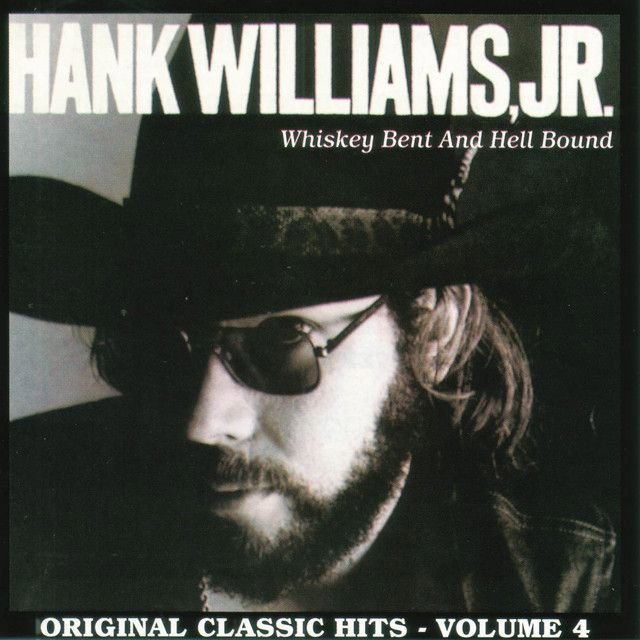
Why “Outlaw Women” by Hank Williams, Jr. Still Stands Out
The meaning of Outlaw Women Hank Williams, Jr. comes down to one big idea: freedom with attitude. The song is not really about crime. It is about women who reject polite roles, ignore judgment, and choose pleasure, movement, and self-rule over approval.
"Outlaw Women" - Hank Williams, Jr.
And she don't go for that old stuff anymore
She likes to get high and listen to the band
Loading lyrics...
Unable to load lyrics
We're unable to display the lyrics at this time. Please try again later.
That idea fit Hank Jr. at a key point in his career. By the late 1970s, he had moved away from simply echoing his father and built a rougher style shaped by country, rock, and blues, as noted in his career overview. In that setting, “Outlaw Women” feels like a statement of identity. It widens the outlaw image and gives it a female center.
More Than a Rebel Song
On the surface, the track sketches a woman with everyday responsibilities. She works ordinary jobs, but the song quickly shows that routine does not define her. When the lyric says she does not go for old stuff anymore
, it rejects older rules about how women should act.
That makes the song less about one person and more about a type. The chorus calls these women first of their kind
, which turns them into symbols of change. They are not hidden figures on the edge of society. They are arriving in plain view and, in the song’s eyes, exactly on time.
Interpretation: Hank Jr. seems to treat the outlaw woman as a sign of a new era. She is modern, sexually self-directed, and unimpressed by social respectability.
Watch the official Outlaw Women
music video
How the Verses Build That Image
The first verse mixes normal life with restless desire. A woman can work in a bank or a store, then still want music, intoxication, and intimacy on her own terms. That contrast matters. The song argues that rebellion is not limited to bikers, drifters, or men with bad reputations. It can live inside everyday people.
The second verse broadens the picture even more. A woman might be rich, poor, married, or looking for something missing. In other words, the song treats outlaw energy as a mindset rather than a class identity. It is available to anyone who refuses to be boxed in.
Here the lyric’s social edge becomes clearer:
don't give a damn
'bout society
Those short lines capture the song’s challenge. Society stands for manners, gossip, labels, and limits. The outlaw woman does not ask that system for permission.
The Chorus and Its Real Point
The chorus gives the song its strongest message. When it says these women don't need any guns
, it separates them from the usual outlaw image. Their power is not about force. It is about confidence, sexual agency, and refusal to feel ashamed.
Then the song adds just out for fun
. That sounds light, but it matters. Fun here means pleasure without apology. In many older country songs, women are judged for wanting too much freedom. In this song, freedom itself is the point.
Interpretation: The chorus turns the outlaw woman into a challenge to male-coded rebellion. She can be just as disruptive, but with style and presence instead of weapons.
A Defense Against Judgment
One of the sharpest moments comes near the end, when the singer notes that some people use ugly names for women like this. He then warns that such talk will not fly around him and his group. That is important because the song does not only praise outlaw women; it also defends them from public shaming.
This is where the track gains some emotional weight. Beneath the swagger, there is a push against double standards. Men in outlaw songs are often celebrated for wild behavior. Women are often insulted for the same thing. Hank Jr. may not frame that as a political argument, but the song clearly notices the imbalance.
Why Hank Jr. Was the Right Voice
Hank Williams Jr. built his identity around pushing past limits. After his mid-1970s reinvention, he became known for mixing outlaw country with Southern rock, blues, and rowdy self-mythology. That broader sound helped him become one of country music’s biggest stars in the 1980s; his Country Music Hall of Fame profile reflects that long arc.
In that context, “Outlaw Women” makes sense as both character study and brand statement. Hank Jr. was expanding who could belong in the outlaw world. Instead of singing only about hard-drinking men, he made room for women who broke rules too.
How the Sound Carries the Message
Even without long lyric detail, the production idea is easy to hear. This kind of Hank Jr. track leans on a driving rhythm, barroom energy, and a vocal delivery that sounds half grin, half challenge. The country base keeps it grounded, while rock muscle gives it swagger.
That blend matters to the song’s meaning. A softer arrangement might have made these women seem romantic or mysterious. A tougher groove makes them feel active and hard to control. The performance sells the point that these are not fragile figures. They are forces.
A Fair Modern Reading
Today, listeners may hear two things at once:
- a celebration of independent women
- a male fantasy shaped by outlaw-country cool
Both readings are reasonable. The song admires women who escape social control, but it still describes them through a masculine rebel lens. That tension is part of what keeps the song interesting.
Final Take on the Song’s Message
The meaning of Outlaw Women Hank Williams, Jr. is that rebellion is not just for men, and respectability is not the only way to live. The song celebrates women who work, desire, choose, and resist judgment in public.
Its message is simple but durable: freedom can look feminine, loud, and unapologetic. That is why “Outlaw Women” still stands out in Hank Jr.’s catalog.
Disclaimer: This article offers an informed interpretation based on the lyrics, artist context, and musical style. Song meanings can vary from listener to listener.







