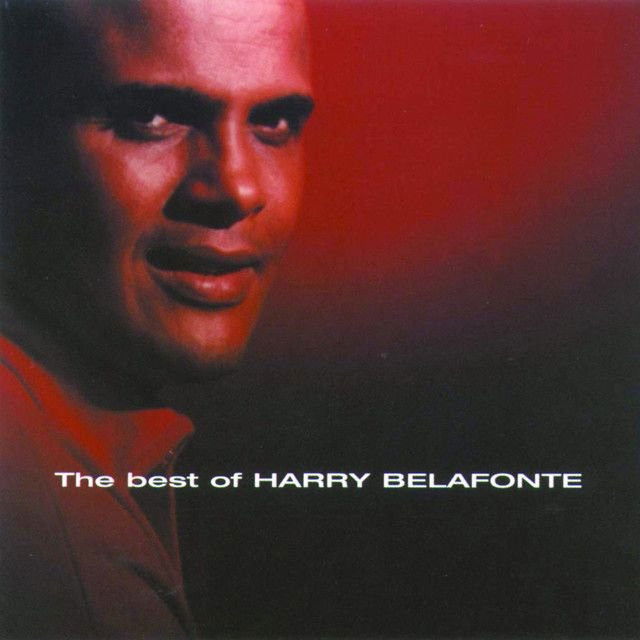
Man Piaba by Harry Belafonte
They come to “Man Piaba” looking for answers and end up laughing at how adults refuse to give any. For listeners in the United States today, the meaning of Man Piaba Harry Belafonte lies in how a simple question—about sex, growing up, and truth—meets a wall of jargon, folk talk, and highbrow babble.
"Man Piaba" - Harry Belafonte
Certain questions occurred to me,
So I asked me father quite seriously
Loading lyrics...
Unable to load lyrics
We're unable to display the lyrics at this time. Please try again later.
Why This Playful Riddle Still Sticks
At heart, the song is about confusion. A child asks about the bird and bee
, and every authority dodges the topic. The humor is gentle, but the point lands: people in power often talk around hard subjects.
Interpretation: it’s a coming‑of‑age fable. As the narrator ages, they collect impressive words and famous names, but no wisdom. The last laugh is that experience—not lectures—teaches the real lesson.
Watch the official Man Piaba
music video
Who’s Talking and What Do They Want?
The narrator speaks in first person, telling a life story that starts in childhood and stretches into old age. They keep seeking a plain answer about love and sex. The chorus—the woman piaba and the man piaba
—sounds like a knowing formula, yet it explains nothing, which is the joke.
Across the verses, the voice is curious, respectful, then frustrated. By the end, when they say I don't give a darn
, it feels like freedom: they stop chasing experts and accept life as it is.
A Comic Journey Through Experts
The song moves in three beats:
- A parent offers a chant instead of facts, full of plant names and folk remedies.
- The narrator consults
Albert Einstein
, who answers with scientific word salad. - They visit
Sigmund Freud
, who swaps in psychological jargon and couch talk.
Each verse ends in the same feeling of fog:
It was clear as mud but it covered the ground And the confusion made the brain go 'round.
That couplet is the hinge of the meaning of Man Piaba Harry Belafonte: fancy language can be impressive and useless at the same time. The running gag is that every path—home wisdom, physics, psychoanalysis—leads back to the same refrain.
Decoding the Chorus Without Spoiling the Joke
Interpretation: the chorus sounds like a Caribbean folk incantation, mixing playful nonsense with references to herbs and roots. Its rhythm sells certainty while its content withholds clarity. That’s the point. The narrator wants a plain explanation of “how things work.” Instead, they get a catchy phrase that keeps society’s taboos intact.
The list of roots and remedies suggests old-time approaches to love, fertility, and health. Rather than define them, the song lets their sound do the work—music as euphemism. Listeners don’t need a glossary to feel how adult culture dodges direct answers.
Sound, Style, and Belafonte’s Calypso Touch
“Man Piaba” appears on Belafonte’s 1956 album Calypso, the record that helped bring calypso into the American mainstream. The arrangement leans on hand percussion, acoustic guitar, and a buoyant tempo. Belafonte’s baritone tells the story like a stage monologue, with crisp diction and winking pauses.
Musically, this is patter-song calypso: tight rhymes, quick images, and a chorus you can chant. The groove makes the satire feel friendly. Listeners can dance even as the lyric teases experts. Call‑and‑response moments mirror the theme, too—the crowd answers, but never actually explains.
Readings, Context, and the Last Laugh
Factual context: Belafonte became the face of calypso in 1950s America, popularizing Caribbean rhythms while centering storytelling and humor. “Man Piaba,” written by Harry Belafonte and Jack N. Rollins, fits that mission by turning a delicate subject into a shared joke.
Interpretation 1: Social satire. The song mocks how institutions—family, science, psychology—use big talk to avoid plain speech about sex and love. The final brush‑off suggests the narrator learns to live beyond lectures.
Interpretation 2: Cultural celebration. The chorus and herbal references honor Caribbean oral tradition, where wordplay, plants, and proverbs carry community knowledge. In this view, the joke is loving, not dismissive: wisdom lives in rhythm and memory, not textbooks.
Either way, the last verse, with its shrugging acceptance, is the release valve. After a lifetime of seeking, the narrator stops chasing authority and trusts experience. That’s why the meaning of Man Piaba Harry Belafonte still resonates: it’s funny, musical, and quietly wise about how people learn.
Disclaimer: Song interpretations are subjective. This reading draws on lyrics, performance style, and public context to offer one informed view.







