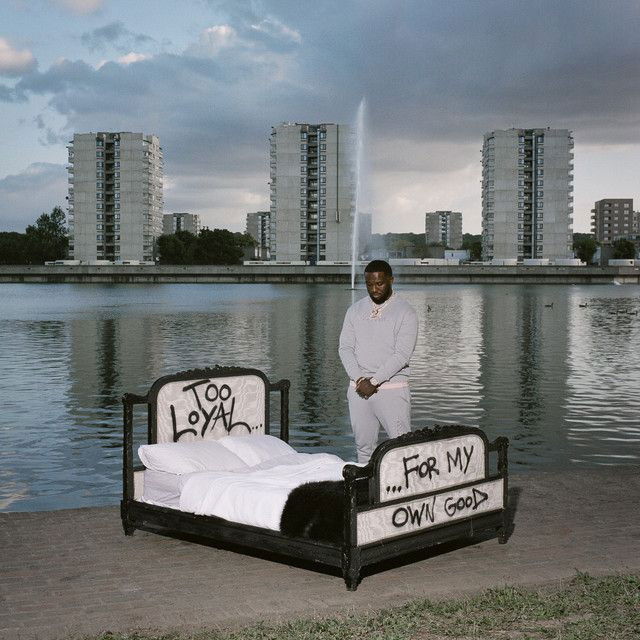
Too Loyal... by Headie One
A reflective drill track, this song asks a hard question: when does loyalty stop being noble and start becoming a burden?
"Too Loyal..." - Headie One
Provided by LyricFind"As real as I can put it
Jealousy is real, and loyalty is rare
It's crazy how you can be there for everybodyLoading...Loading lyrics...
Unable to load lyrics
We're unable to display the lyrics at this time. Please try again later.
Why the meaning of Too Loyal... Headie One hits hard
The meaning of Too Loyal... Headie One centers on loyalty as both strength and trap. The song is not just about staying true to friends. It is about what happens when that code keeps dragging someone into danger, debt, family strain, or public judgment.
Headie One, a Tottenham rapper known for moving between UK drill, trap, and melodic rap, built his career by mixing street detail with introspection. Facts about his background, chart success, and the 2021 mixtape Too Loyal for My Own Good are widely documented, including his rise from early drill releases to a UK No. 1 album with Edna and the mixtape’s 2021 release (Wikipedia). That context matters because this track sounds like someone looking back at the cost of survival.
A hook built on one painful question
The song keeps returning to a simple refrain: way too loyal
. Before and after that phrase, Headie lists moments where loyalty seems to overrule self-protection.
Interpretation: the hook is not bragging about being real. It sounds more like self-audit. They are asking whether loyalty, usually treated as a virtue in rap and in street life, can become its own kind of weakness.
That tension gives the track its emotional weight. Every verse becomes another example of how devotion to people, places, and old codes can put someone at risk.
Street ties, unwanted wars, and survival guilt
One of the clearest ideas appears when they describe being pulled into conflict they did not begin. The phrase war I ain't started
frames loyalty as involuntary. They did not choose the original problem, but connection to others made it theirs anyway.
That detail matters because it shifts the song away from simple aggression. It is less about chasing violence and more about inheriting it. In that sense, the narrator sounds tired, not eager.
Another strong image is grew some roses
from the soil. Paraphrased, they are saying they came from rough ground and still created something beautiful. That is a classic survival image: hardship became growth.
Interpretation: the rose image suggests maturity, but the song refuses a neat success story. Even after growing, they are still tied to the mud they came from.
Success does not cancel old obligations
A major theme in the track is the gap between outward success and inner pressure. Headie mentions bigger shows, cash, fashion, and career movement, but these details never feel carefree. Even when money arrives, loyalty keeps redirecting it.
The phrase eight racks a show
comes with the point that they were still working for someone else’s benefit. In plain terms, success did not create full freedom. They were still carrying others.
That idea connects to another line about signing a poor deal. The song suggests that coming from very little can make any offer look good at first. Gratitude and hunger can blur judgment.
A week of wins, with pressure underneath
One smart writing move is the timeline where each day brings another event: money spent, family helped, shows shut down, and outside threats still present. It shows speed, but also instability.
For U.S. listeners less familiar with Headie One’s world, this fits a known part of his story. Public reporting has long noted his clashes with policing around drill and the wider debate about whether drill reflects violence or causes it. Headie pushed back on that idea, once saying, briefly, that blaming drill alone was foolish (Wikipedia).
That matters here because the song directly resists being reduced to headlines. They suggest people want the image of the driller, not the full human being.
Family loyalty gets even messier
The song becomes more painful when it shifts from street politics to family tension. They describe a relative acting differently and draw a line around loyalty when enemies enter the picture.
This is important because it shows the track is not only about gang allegiance. It is about boundaries. When trust breaks inside a family circle, the wound feels deeper.
There is also nostalgia in the memory of old parties and simple drinks from the past. That flashback softens the song for a moment. It reminds listeners that conflict often grows from shared history, which makes separation harder.
How the sound carries the message
The production feels spacious and sober rather than chaotic. The beat gives Headie room to let the question sit, and the repeated refrain acts almost like a thought loop.
That restrained sound suits the meaning of Too Loyal... Headie One because the song is reflective first. The performance is controlled, which makes the frustration feel lived-in rather than theatrical.
Interpretation: instead of using energy to glorify danger, the track uses calm repetition to show exhaustion. The narrator has been through the cycle enough times to speak on it plainly.
Steady and slow
always wins the race
This brief moment sums up the song’s mature side. The idea is simple: survival now means patience, restraint, and thinking long-term.
The deeper takeaway behind the title
By the end, the song argues that loyalty needs limits. They still value where they came from, and they do not present disloyalty as the answer. But they also make clear that blind loyalty can threaten freedom, family, and future.
That is why the track lands so strongly. It speaks to a universal problem through drill-specific detail: people often keep proving themselves to others long after it starts hurting them.
For listeners searching for the meaning of Too Loyal... Headie One, the clearest answer is this: the song is about learning that love, duty, and loyalty are not always pure. Sometimes the hardest growth is knowing when loyalty has gone too far.
Disclaimer: This article offers informed interpretation based on the lyrics, public context, and available credits. Song meaning can remain open, and different listeners may hear it differently.








