
Why 'What About Love' Still Hits Hard
The meaning of What About Love? Heart comes down to one urgent idea: love is being offered, but the other person is too guarded to receive it. Heart turns that emotional standoff into a power ballad that feels both personal and universal.
"What About Love?" - Heart
I've been waiting for you
I'm pretending and that's all I can do
Loading lyrics...
Unable to load lyrics
We're unable to display the lyrics at this time. Please try again later.
Released in 1985 as the lead single from Heart, the song helped relaunch the band in a big way, becoming their first U.S. Top 10 hit in five years and reaching No. 10 on the Billboard Hot 100. It was written by Brian Allen, Sheron Alton, and Jim Vallance, and produced by Ron Nevison. Those facts are widely documented by sources such as Songfacts and Wikipedia.
A Plea, Not a Simple Love Song
At its core, the song is about emotional distance. The singer has been patient and vulnerable, but their feelings are not getting through. Early lines about being lonely and waiting frame the relationship as one-sided.
When the lyric says I've been lonely
, it is not just sadness for drama's sake. It establishes a real imbalance: one person is reaching out, while the other stays shut down. The phrase to your heart
matters too, because the problem is not physical absence. It is emotional blockage.
Interpretation: The song is less about begging for romance and more about confronting someone who has chosen control over connection. They may be ambitious, polished, and outwardly fine, but something inside is missing.
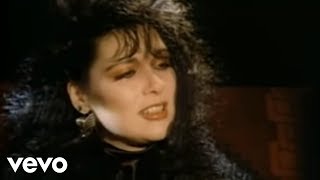
Watch the official What About Love?
music video
The Person in the Crosshairs
One of the sharpest details in the lyric is its picture of the other person. They are described as someone who is hiding feelings and keeping everything under control
. That makes the song more specific than a generic love plea.
The target of the song is not cruel in a cartoonish way. They seem defended. The lyric suggests a person climbing toward success while neglecting emotional needs. That is why the song's challenge lands so strongly: it asks whether achievement means much if love is left behind.
How the Story Moves
The song unfolds in three clear beats:
- The singer admits loneliness and failed communication.
- They describe the other person as emotionally closed off.
- They deliver the chorus as both invitation and warning.
That warning is summed up in Don't let it slip away
. In plain language, the singer believes this person may not value love now, but may desperately need it later.
Why the Chorus Feels So Big
The chorus asks What about love?
, which sounds simple, but it does several jobs at once. It is a question, a protest, and a wake-up call. Instead of arguing details, the song cuts straight to the larger issue: are they willing to be loved at all?
That directness is why the hook stays memorable. The singer is not trying to sound clever. They are trying to break through denial. The line about wanting someone to care about you broadens the message beyond one couple. Almost anyone can hear themselves in that fear.
What about love?
Don't you want someone to care about you?
What about love?
Don't let it slip away
In this short passage, the song shifts from confession to confrontation. It stops describing pain and starts demanding reflection.
How Heart's Performance Deepens the Meaning
Part of the meaning of What About Love? Heart comes from how it sounds. Heart's version balances hard-rock muscle with an '80s power-ballad sheen. According to Songfacts, producer Ron Nevison encouraged Ann Wilson to hold back in the verses so the chorus would explode with more force.
That choice matters. The verses feel contained, almost careful, which mirrors the emotional restraint in the lyric. Then the chorus opens wide, giving the song the release the relationship itself lacks.
Ann Wilson's vocal is the center of that effect. They move from a controlled ache to a full-throated demand, making the song feel less like self-pity and more like emotional truth. The arrangement supports that arc with swelling guitars, keyboards, and a dramatic rhythm section. Wikipedia also notes the track's polished lineup and additional backing voices, which helped give it the big commercial sound associated with Heart's mid-'80s comeback.
The Career Context Matters Too
This was not just another single. It marked a new phase for Heart after a commercial dip in the early 1980s. As sources like Songfacts explain, it was their first single for Capitol Records and part of a broader shift toward outside writers and a more radio-ready style.
That context shapes the song's legacy. Some fans hear it as the moment Heart embraced mainstream '80s production, but the emotional core stayed strong. A contemporary Cash Box review, quoted by Wikipedia, said the song kept the punch of the band's earlier hard-rock strengths while adding melodic flexibility.
A Few Plausible Readings
There is a clear surface meaning, but the song allows more than one reading.
- Interpretation 1: It is a direct address to a romantic partner who cannot return love.
- Interpretation 2: It is about a work-driven person who has confused success with fulfillment.
- Interpretation 3: It can even sound like someone reminding themselves that emotional numbness is unsustainable.
Those readings all fit because the lyric stays focused on basic human needs: care, openness, and timing.
The Lasting Takeaway
The meaning of What About Love? Heart is powerful because it treats love as necessary, not decorative. The song argues that emotional connection is not weakness; it is part of a full life.
That is why it still lands. Beneath the huge chorus and glossy production, it is a song about the cost of staying closed off when love is right in front of you.
Disclaimer: This interpretation is based on the lyrics, recording context, and documented background. As with most songs, listeners may hear different meanings in it.








