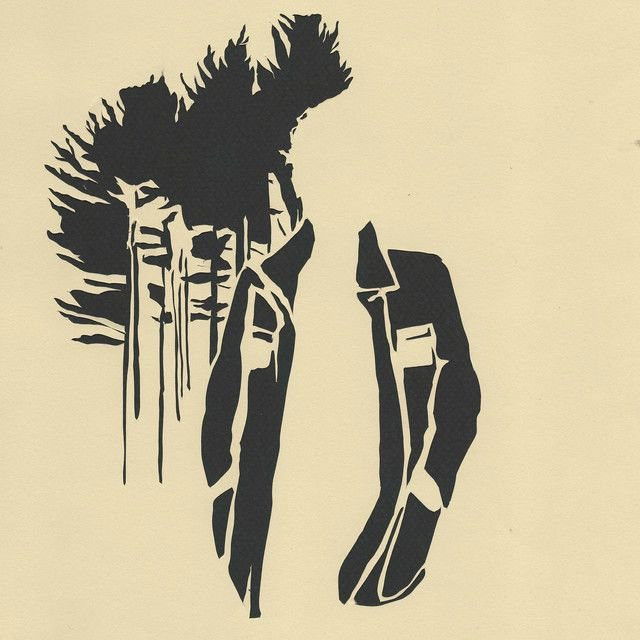
Why 'The Rains' Feels So Isolated
The meaning of The Rains Henry Jamison starts with a simple but haunting contrast: a storm is happening, other people are out in it, and the speaker is not. They are inside, watching, imagining, and drifting between observation and unease. That split gives the song its power.
"The Rains" - Henry Jamison
In the gathering gale
As I loose my bloodhound
Loading lyrics...
Unable to load lyrics
We're unable to display the lyrics at this time. Please try again later.
Henry Jamison emerged as a thoughtful singer-songwriter from Burlington, Vermont, and early coverage around his debut EP The Rains framed his work as literary and dreamlike. Consequence noted that the EP was due October 14, 2016, through Akira Records, and described Jamison’s writing as part of a wider poetic lineage. Those details matter because this song feels less like a plot-driven story and more like a carefully built inner weather system.
A Storm Outside, an Unrest Inside
On the surface, the song shows a person looking out at wind, lightning, fields, boats, and bad weather. But the real subject seems to be emotional separation. The repeated idea that others are outside while the speaker stays in creates a feeling of removal from life itself.
When the lyric returns to the doorway
, it places them in an in-between space. They are not fully sheltered, but they are not participating either. Interpretation: that threshold may symbolize hesitation, depression, or a fear of entering the messy world beyond the self.
The storm imagery sharpens that feeling. The rains came heavy
is not just weather reporting. It sounds like emotional pressure arriving from somewhere beyond control. Because the rain comes from the north
, it even feels directional and fated, like a force moving in.
Watch the official The Rains
music video
The Song’s Small Story, Beat by Beat
The lyrics move in fragments rather than a straight narrative, but the song still follows a clear emotional path:
- A gale rises, and the speaker imagines pursuit and movement.
- The storm intensifies, while others remain active in the world.
- The speaker stays indoors, first in the kitchen and then in bed.
- Dream logic takes over, mixing sleepwalking, drinking, and street scenes.
- The chorus returns to watching, envy, and suspension.
That structure is important to the meaning of The Rains Henry Jamison. The song does not build toward action. It circles around distance.
Watching Instead of Living
One of the strongest ideas in the song is observation without participation. The speaker looks out over fields, watches lightning, notices boats, tourists, and a café. These are ordinary, physical details, yet they feel strangely unreachable.
That is why the line about people in little boats
matters. Boats usually suggest movement, travel, or risk. Here, they underline what the speaker is not doing. Others are navigating the weather; the speaker is static, inward, and stuck.
Even the domestic scenes carry discomfort. Being in bed should suggest rest, but the image of pillow bite
turns it into tension. Interpretation: the song may be showing a body that cannot settle, even in private spaces meant for comfort.
The Chorus Turns the Song Into a Confession
The chorus repeats the doorway image and adds one of the song’s most puzzling phrases: I envy mine
. Because the wording is so unusual, it opens the door to multiple readings.
Interpretation 1: it could express possessiveness. The speaker may be jealous even of what they already claim, suggesting insecurity so deep that ownership brings no peace.
Interpretation 2: it could be self-division. They may envy a version of their own life that feels inaccessible, as if they are standing outside their own experience.
Either way, the repetition matters. The chorus does not solve the verses. It intensifies their uncertainty.
Ordinary Habits Meet Existential Fear
Late in the song, simple actions like drinking beer or coffee appear beside the phrase great nothing
. That contrast gives the track much of its philosophical weight. Everyday routines are still happening, but they are framed against dread.
This is where Jamison’s writing feels especially sharp. He places small social details next to cosmic anxiety. Tourists at a café are harmless, almost banal, yet their presence makes the speaker’s inward fear stand out more. The world goes on as usual while they remain trapped in a private storm.
How the Sound Likely Supports the Meaning
While this article focuses on lyrics, Jamison’s early work was described by Consequence as acoustic-led and dreamlike in tone. That context helps explain how "The Rains" likely lands emotionally within the EP. A sparse, intimate arrangement would fit the song’s inward gaze, while repetition in melody could mirror the circular thoughts in the words.
Interpretation: if the performance is restrained rather than explosive, that choice would make sense. This is not a song about dramatic release. It is about being suspended in feeling.
Artist Context Helps, Even Without Over-Explaining
Jamison’s early reception often emphasized his literary style and emotional complexity. That makes "The Rains" feel very much like an introduction to his voice as a writer: reflective, image-heavy, and willing to leave room for ambiguity.
The EP title itself also matters. If The Rains served as the name of the 2016 debut EP, then this song likely acts as a thematic center for that release rather than just another track. It presents weather not only as scenery, but as a language for interior life.
What the Song Finally Leaves Behind
The best reading of the meaning of The Rains Henry Jamison is that it portrays alienation in real time. The speaker is close enough to see the world, but not close enough to join it. Storms, doorways, beds, drinks, and passing strangers all become signs of a mind caught between numbness and longing.
That is why the song lingers. It understands that some of life’s hardest moments do not look dramatic from the outside. Sometimes they look like standing still and watching the weather.
Disclaimer: This interpretation is based on the publicly available lyrics and artist context, and song meaning can remain open to different listener readings.









