Why 'No Worries' Feels Bigger Than a Ska Hook
The meaning of No Worries Hepcat starts with a simple idea: peace is a choice, even when life feels heavy. Hepcat do not present that message like a lecture. They turn it into a groove, a daydream, and a shared reminder to breathe.
"No Worries" - Hepcat
They all can be yours with the right frame of mind
Just look and you'll find - (no run, no lie)
Loading lyrics...
Unable to load lyrics
We're unable to display the lyrics at this time. Please try again later.
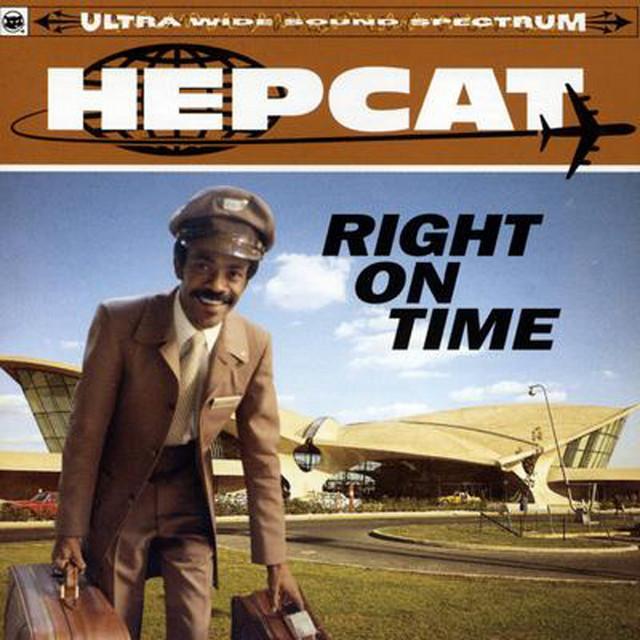
The Southern California band formed in 1989 and built a style rooted in 1960s Jamaican ska, rocksteady, soul, and jazz, according to widely cited band histories. Their 1998 album Right on Time included “No Worries,” a song that became one of their best-known tracks and helped expand their audience during the late-1990s ska wave.
A Cheerful Song With a Serious Core
On the surface, “No Worries” sounds easygoing. The title phrase returns like a toast among friends. But the lyrics reveal a more thoughtful point: the best parts of life cannot be purchased, only noticed. When the song says wonderful things are beyond money, it shifts the focus from wealth to outlook.
That is why lines like right frame of mind
matter so much. The song is not claiming problems are fake. It is saying perspective changes what people can hold onto. Interpretation: Hepcat frame happiness less as ownership and more as awareness.
The repeated push to leave your problems behind
sounds almost like advice from a close friend. It is not detailed therapy, of course. It is a musical reset button.

Watch the official No Worries
music video
The Song’s Emotional Journey, Step by Step
Rather than tell one tight story, the track moves through a few emotional scenes:
- It opens with a life lesson about values.
- It shifts into fantasy, imagining the ocean and romantic company.
- It returns to the group setting, with music and movement.
- It briefly admits pain, sickness, sadness, and lost love.
- It ends by circling back to release and celebration.
That structure matters. The song earns its optimism because it does not skip over hurt. Near the end, it mentions feeling low and remembering a love that left you blue
. That moment keeps “No Worries” from sounding shallow.
Instead, the message becomes: yes, life wounds people, but they can still dance, laugh, and reconnect after the blow.
The Ocean Dream and What It Means
One of the song’s clearest images is sailing on the sea with someone beloved. In plain terms, that fantasy creates distance from stress. Open water suggests freedom, motion, and clarity.
When the song imagines the big blue sea
, it is building a mental getaway. The listener is invited to picture simple companionship and wind-driven movement instead of bills, heartbreak, or social pressure. Interpretation: the sea works as a symbol of emotional space, a place where worries shrink.
The romance in this section is also important. Love is not shown as dramatic or tortured. It is calm, companionable, and remembered through feeling rather than conflict. That keeps the song’s emotional world warm and accessible.
How the Chorus Turns Advice Into Community
The hook lands because it is not private. “No Worries” keeps addressing friends, crowds, and shared action. The lyric about raise your glass
feels ceremonial, like a small public ritual of letting go.
This is where Hepcat’s personality comes through. They were never only about speed or punk energy. Critics and band histories often describe them as more soulful and mellow than many third-wave ska acts, leaning into harmonies and vintage Jamaican influence. That softer stance fits this song perfectly.
The chorus does not just say relax. It makes relaxation social. If one person is hurting, the room can help carry them.
Why the Sound Sells the Message
Production and arrangement are central to the meaning of No Worries Hepcat. The track’s bounce gives the lyrics credibility. If these words were set to harsh, tense music, they might feel forced. Instead, the rhythm moves with a light sway, and the horns add warmth rather than aggression.
That matters because ska, especially in Hepcat’s hands, often turns emotional release into body language. The groove invites dancing, and dancing becomes part of the song’s argument. The line about making listeners move is not just bragging; it explains the cure.
dance, laugh, and sing
No worries, friends
No worries
That short refrain captures the song’s whole design. Feeling better is not presented as a grand revelation. It happens through music, company, and motion.
A Late-1990s Hepcat Statement
In context, “No Worries” also shows what made Hepcat stand out. Their blend of ska, reggae, soul, and jazz gave them a richer, more laid-back sound than many of their peers. Right on Time helped place them in front of bigger audiences, and “No Worries” became a natural calling card because it distilled their strengths: melody, ease, style, and emotional openness.
Interpretation: the song can be heard as a small mission statement for the band. Hepcat are saying that coolness is not detachment. It is grace under pressure.
The Lasting Takeaway
The lasting appeal of “No Worries” is that it balances honesty with comfort. It admits sadness, then gently points beyond it. It celebrates love, friendship, and attitude without pretending life is perfect.
That is the real meaning of No Worries Hepcat: not the absence of trouble, but the choice to meet trouble with rhythm, perspective, and other people nearby.
Disclaimer: This interpretation is based on the song’s lyrics, musical style, and available band context. As with any song, listeners may hear meanings that differ from this reading.








