Why 'You Never Knew' Proves Hiero's Mission
The meaning of You Never Knew Hieroglyphics comes down to a simple idea: the group treats hip-hop as craft, community, and long-term purpose, not just a quick way to chase fame. The song is full of boasts, but they are not empty boasts. They are tied to work ethic, loyalty, and a belief that real skill lasts longer than trends.
"You Never Knew" - Hieroglyphics
It's not a wrong thing
To be addicted to the microphone like a heroin fiend
Loading lyrics...
Unable to load lyrics
We're unable to display the lyrics at this time. Please try again later.
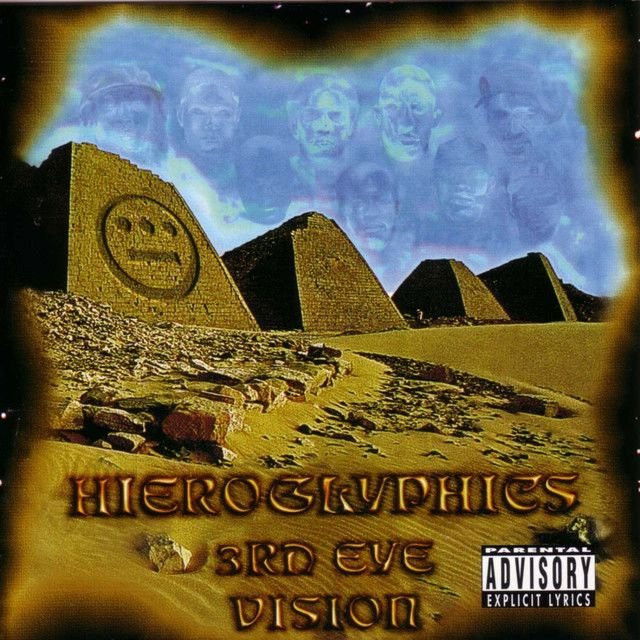
Hieroglyphics is an Oakland underground hip-hop collective led by Del the Funky Homosapien, with members including Casual, Pep Love, and Souls of Mischief. The crew released 3rd Eye Vision in 1998, and the song later appeared as a single in 1999, according to available discography records. That history matters because the track sounds like a mission statement from a group building its own lane outside the mainstream.
More Than Bragging, Less Than a Lecture
At first glance, the song can sound like classic rap competition. They talk about superior rhyming, weak imitators, and a crowd that responds when the crew hits the stage. But underneath that is a deeper point: they want success without losing their identity.
One of the clearest examples is the shift from money talk to responsibility. When the verse mentions stacking cash to get their mother a home, the song turns ambition into family duty. That makes their hustle feel grounded. They are not presenting wealth as decoration; they are presenting it as a tool.
This is also why the hook matters so much. The repeated phrase you never knew
suggests that listeners and rivals have underestimated them. It is part challenge, part revelation. They are saying their reach, discipline, and vision go further than outsiders assumed.
Watch the official You Never Knew
music video
The Crew Voice Is the Real Main Character
A key part of the meaning of You Never Knew Hieroglyphics is that the song rarely feels like one person speaking alone. Even when individual members step forward, the larger voice is collective. The track keeps returning to team identity, shared standards, and shared history.
That comes through in phrases like within the crew
and that's my team
. Those are short lines, but they carry a lot of weight. They show that loyalty is not just sentimental. It is part of how they survive as independent artists.
A Timeline of What They Assert
The verses move through a few connected claims:
- They are addicted to the art and serious about the microphone.
- They want income, but not for shallow image-building.
- They have stayed inventive over time.
- They see through fake personas in rap.
- Their live reputation proves their value across cities and countries.
That final point is important. The song names places and performance moments to show that underground success can still be global. In other words, recognition does not have to come only from pop radio.
How the Hook Reframes the Verses
The chorus is brief, but it does a lot. When they call hip-hop vintage
, they frame the culture as something durable and worth preserving. They are not saying the music should stay frozen in the past. They are saying real hip-hop has roots, standards, and memory.
Hip-hop is vintage
Underground like silos
Those lines connect old-school respect with underground force. The image suggests something hidden below the surface but powerful once launched. That is a neat summary of the crew’s identity: not always in the center of the spotlight, but still influential and hard to ignore.
Their Enemies Are Fakery and Short-Term Thinking
Another big theme is authenticity. The song keeps drawing a line between artists who build substance and artists who chase appearance. When Del mocks the scene’s costume changes and fake personas, he is criticizing rap as performance without character.
This is where the song becomes more than a flex record. Interpretation: they are warning that trend-based fame is temporary. The line of thought is clear: today’s approved star can be replaced tomorrow if there is no real foundation underneath.
That idea fits the group’s larger reputation. Hieroglyphics built a following through independence, touring, and direct connection with fans, rather than waiting for traditional industry validation. Their underground identity is a factual part of their history, and the song turns that history into philosophy.
Why the Production Supports the Message
The beat helps explain the song’s meaning. It has the rolling, head-nod energy associated with late-1990s underground rap, but it also feels spacious enough for each rapper’s voice to stay sharp. The production does not bury the words under glossy effects. Instead, it leaves room for precision, breath control, and internal rhyme.
That matters because the song is built on verbal authority. If the instrumental were too flashy, it would undercut the message. Instead, the track sounds confident and functional, which mirrors the crew’s worldview: skill first, image second.
Performance as Proof
The lyrics also emphasize stage power. They describe crowds reacting instantly and shows expanding their reputation from Chicago to Toronto to Japan. Even without treating every claim as literal reporting, the point is plain: performance is where their credibility gets tested and confirmed.
Interpretation: in this song, touring becomes evidence. If records make the argument, concerts close the case.
Why the Song Still Lands
What keeps this track fresh is its balance. It is proud without sounding hollow, serious without sounding preachy, and technical without losing momentum. The members defend their place in hip-hop, but they also defend an idea of hip-hop itself.
So, the meaning of You Never Knew Hieroglyphics is not just that the crew is talented. It is that they believe talent should serve something bigger: self-respect, group loyalty, artistic independence, and a version of rap that does not bend for fashion.
In that sense, the title becomes the point. People may have missed what Hieroglyphics were building in real time. The song answers that doubt with clarity: they knew who they were all along.
Disclaimer: This interpretation is based on the lyrics, performance, and publicly available artist context. As with any song, listeners may hear different meanings in the same lines.








