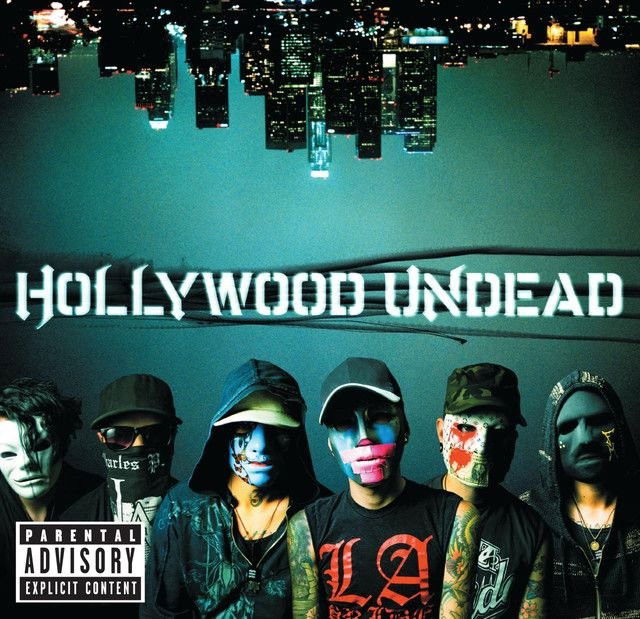
Why “Undead” Hits Like a Riot
Hollywood Undead’s “Undead” does not hide what it is. From the opening seconds, the song sounds like a challenge thrown into a crowd. For listeners searching for the meaning of Undead Hollywood Undead, the core idea is simple: it is a violent, exaggerated, chest-out anthem about survival, backlash, and forcing respect.
"Undead" - Hollywood Undead
Undead
Undead
Loading lyrics...
Unable to load lyrics
We're unable to display the lyrics at this time. Please try again later.
Released on August 26, 2008, as the lead single from Swan Songs, “Undead” introduced the band’s blend of rap, rock, electronics, and group-shouted hooks. It also became one of their biggest songs, later earning 2× Platinum in the United States. Those facts help explain why the track feels so oversized. It was built to announce a band, not just fill an album slot.
The Song’s Main Message Is Total Defiance
At its center, “Undead” is about refusing to be dismissed. The chorus keeps pushing that point with commands like get up out the way
and a promise to rock this whole place
. In plain terms, the band frames themselves as outsiders who have been mocked, doubted, or hated, and now they are answering that pressure with force.
Interpretation: The song is less about a real fight than about dominance as performance. They turn criticism into fuel. Every verse tries to sound bigger than the insult that came before it, as if volume itself can erase doubt.
That is why the repeated title word, Undead
, matters. It suggests something that cannot be killed off. Even if the industry, critics, or rivals want them gone, the song insists they will keep coming back louder.
Watch the official Undead
music video
A Chorus Built Like a Warning Siren
The hook is the emotional center of the song because it compresses the entire attitude into a few blunt ideas. First, move aside. Second, today is the fight. Third, their success will happen no matter what anyone says.
Tomorrow we’ll riseso let’s fight today
That short sequence is important because it gives the song a crude but clear timeline: struggle now, victory later. The wording turns ambition into combat. Instead of talking about practice, craft, or patience, the song imagines success as a street clash.
Interpretation: This is part of why “Undead” connected with sports promos, game soundtracks, and hype reels. Its chorus is not reflective. It is made to trigger adrenaline.
The Verses Turn Criticism Into an Enemy
Each rapper takes a similar theme and pushes it through a different persona. Johnny 3 Tears leans into threat and identity, linking the group’s name, tattoos, and crew image to a sense of public menace. Charlie Scene shifts toward mockery, claiming years of work and frustration beneath the swagger. J-Dog expands the group image with local pride, aggression, and outlaw mythology.
Together, the verses create a pattern:
- haters are treated as weak or fake
- the band presents itself as battle-tested
- success is framed as revenge
- performance becomes proof of worth
For the meaning of Undead Hollywood Undead, that pattern matters more than any one insult. The song’s real subject is not a single rival. It is the feeling of being underestimated.
There is also a layer of exaggeration all over the writing. One verse even points to the sarcasm
, hinting that at least some of the cartoonish violence is meant to provoke, not document real events. That does not make the language harmless, but it does help explain the song’s style: this is shock-driven theater.
The Ugly Side of the Song Cannot Be Ignored
Any honest reading has to say this clearly: “Undead” uses slurs and violent language that many listeners will find offensive. Those words were part of a broader late-2000s shock-rap and rap-rock culture, but context does not erase harm.
The song’s aggression is one reason it grabbed attention, yet it also dates the track. Some fans hear it as a raw time capsule from a more reckless era. Others hear language that makes the song harder to revisit. Both reactions are reasonable.
Interpretation: This tension is part of the song’s legacy. Its power comes from how hard it pushes, but that same push limits who can embrace it now.
The Sound Explains Why It Became a Breakout Hit
Musically, “Undead” is engineered for impact. The beat is heavy and mechanical, the guitars and synths hit like alarms, and the vocals switch between rap, chant, and scream. According to song credits summarized by Wikipedia, the track was produced by Danny Lohner and Deuce, with drums by Josh Freese and mixing by Ben Grosse.
One key fact shapes the song’s identity: its main riff echoes “Crazy Train,” which is why Ozzy Osbourne, Randy Rhoads, and Bob Daisley are included in the writing credits. That borrowed DNA gives “Undead” an instantly familiar hard-rock charge, while the programmed textures pull it into rap-rock and industrial territory.
This mix of sounds supports the lyrics perfectly. The production does not ask the listener to weigh each line carefully. It asks them to feel impact first. The giant hook, layered gang vocals, and stop-start energy all make the song feel like a public confrontation.
Why “Undead” Lasted Beyond 2008
The song’s commercial story helps explain its long life. It charted on Billboard’s rock formats and landed in games, sports broadcasts, and trailers. That is not accidental. “Undead” works in any setting that needs instant menace and momentum.
Its staying power also comes from a simple emotional fantasy: people talk, then the underdog takes over the room. That idea is bigger than the specific lyrics. Even listeners who dislike the song’s worst language can still recognize the appeal of its basic message.
Final Take on “Undead”
So, what is the meaning of Undead Hollywood Undead? It is a song about turning resentment into identity and identity into spectacle. Hollywood Undead present themselves as impossible to silence, using rage, bravado, and volume to transform criticism into a launchpad.
That does not make the song subtle, and it does not excuse its ugliest wording. But it does make “Undead” easy to understand: it is an entrance song for a band that wanted to sound unstoppable.
Disclaimer: This interpretation is based on the lyrics, production, release context, and public credit information. As with any song, listeners may hear different meanings.









