What "The Bridge of Khazad‐Dûm" Really Means
The meaning of The Bridge of Khazad‐Dûm Howard Shore comes through less like a pop lyric and more like a burst of alarm. This is not a reflective ballad or a character confession. It is a musical emergency signal, built to convey fear, heat, and the arrival of a nearly unstoppable force.
"The Bridge of Khazad‐Dûm" - Howard Shore
Arras talbabi filluma!
Ugrud tashniki kurduma!
Loading lyrics...
Unable to load lyrics
We're unable to display the lyrics at this time. Please try again later.
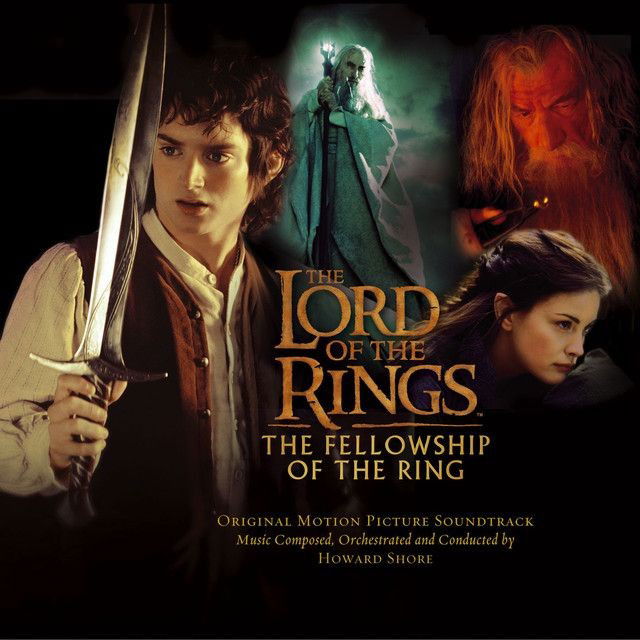
Howard Shore wrote the score for The Lord of the Rings: The Fellowship of the Ring, directed by Peter Jackson, and the film won the Academy Award for Best Original Score, a useful reminder of how central the music is to the story’s power. Philippa Boyens is also credited here as a writer, which fits her major creative role in the film trilogy’s screenplay world-building. In plain terms, this piece is designed to serve the story first.
A Cry From the Depths
At the simplest level, the lyric describes a group facing horror underground. The English translation makes that clear with short warnings like Fire in the deep!
and The demon comes!
Those phrases do not build character psychology in a detailed way. Instead, they compress the whole scene into a few primal facts: there is fire below, bodies are at risk, fear is immediate, and something monstrous is approaching.
That is why the track works so well in context. In the Moria sequence, the Fellowship is already trapped in a dead kingdom full of echoes, ruins, and threat. This song pushes that danger into full panic. Rather than telling listeners what to think, it makes them feel what the characters feel in a split second.
Watch the official The Bridge of Khazad‐Dûm
music video
How the Words Serve the Scene
Even in translation, the lyric is extremely physical. It mentions flames that lick our skin
and fear that rips our heart
. The imagery stays close to the body. That matters because the danger in this moment is not abstract evil in the distance. It is heat, pain, and terror pressing directly onto the people present.
Interpretation: The song’s real subject may be the collapse of control. The characters are no longer exploring or planning. They are reacting. The repeated cry No! No! No!
sounds less like argument and more like instinct. It is the human response to something too large to stop.
This also explains why the language feels stripped down. There is no room for long explanation. In a moment like this, warning becomes the only language that matters.
Why the Track Feels Bigger Than a Song
Because this is a soundtrack cue, meaning comes from sound as much as text. Shore is known for building musical identities for cultures, places, and forces across Middle-earth, and the Lord of the Rings scores are famous for their use of leitmotifs and large-scale orchestral storytelling. In this piece, the sense of threat grows through pounding rhythm, dark choral writing, and a heavy, descending force in the orchestra.
The choir is crucial. A solo voice might sound personal, but a massed chorus sounds ancient and collective. It feels like history itself is crying out. That is a smart choice for Moria, a place haunted by old ruin and buried violence.
Fire, Stone, and Motion in the Music
The production mirrors the setting. Low brass and percussion suggest weight and impact, as if the mountain is shaking from within. The choral attack adds a ritual quality, making the threat seem older than any one character. Fast escalation in volume and density gives the scene momentum, as though the danger is rushing forward and leaving no time to escape.
Interpretation: The music does not just represent the Balrog. It also represents the terror of awakening something ancient. The sound feels geological, not merely villainous.
The Story Hiding Inside the Chant
Even though the lyric is short, it still contains a narrative arc:
- A warning begins in the depths.
- Fire becomes physical and immediate.
- Fear spreads through the group.
- Refusal breaks out in panic.
- The enemy arrives.
That simple sequence is one reason the track is so effective. It moves from environment to emotion to revelation. First there is the place, then the bodily response, then the enemy. In other words, listeners hear danger become destiny.
Why the Moria Context Matters
For fans of the film, this cue cannot be separated from the bridge scene. That sequence is one of the emotional turning points of The Fellowship of the Ring. It combines dread, spectacle, and sacrifice in a matter of minutes. Shore’s music helps tie those feelings together, making the confrontation feel mythic instead of merely action-driven.
The title itself points to that dramatic narrowing. A bridge is a crossing point, but it is also a place where choices disappear. There is only forward, backward, or down. That makes the track feel like a threshold piece: the Fellowship enters as a group under pressure and emerges changed.
A Clear Reading of the Meaning
So what is the meaning of The Bridge of Khazad‐Dûm Howard Shore? Factually, it is a soundtrack piece that underscores a moment of extreme danger in Moria. Emotionally, it captures collective fear at the instant when hidden evil reveals itself.
Interpretation: On a deeper level, the cue is about confrontation with the ancient and the unavoidable. Fire stands for destruction, the deep stands for buried history, and the demon stands for the terrible cost of entering places marked by old catastrophe. The track’s power comes from how quickly it turns those ideas into sound.
Final Take on Its Lasting Power
What makes this piece memorable is its precision. It wastes nothing. A few violent images, a chant-like structure, and crushing orchestral force are enough to communicate panic, doom, and awe.
For many listeners, that is why it remains one of the most striking moments in Shore’s score. It is not just background music. It is fear given a voice.
Disclaimer: This interpretation separates factual context from critical reading. As with most soundtrack analysis, some meaning is interpretive rather than officially stated by the creators.








