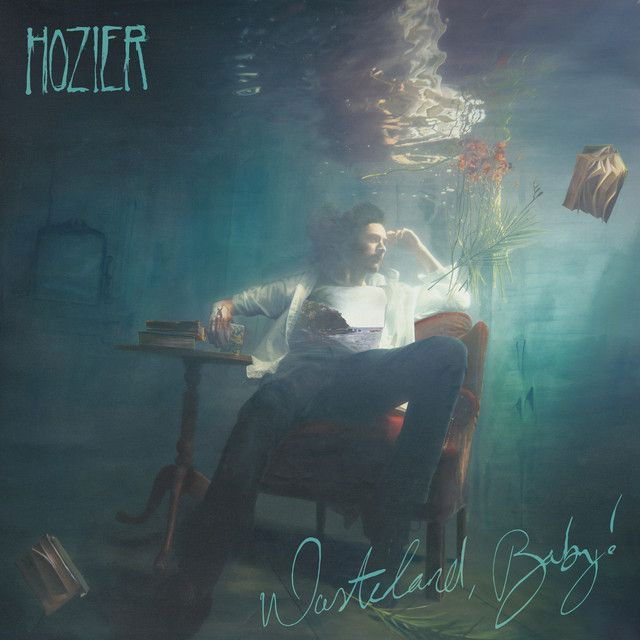
Talk by Hozier
The meaning of Talk Hozier starts with a simple idea: this is a song about desire hiding behind intelligence, poetry, and charm. On the surface, the speaker sounds thoughtful and cultured. Underneath, they are overwhelmed by attraction and trying hard not to show how intense it is.
"Talk" - Hozier
When her body was found (hey ya)
I'd be the choiceless hope in grief
Loading lyrics...
Unable to load lyrics
We're unable to display the lyrics at this time. Please try again later.
Released on Hozier's 2019 album Wasteland, Baby!, “Talk” fits a pattern in their writing. They often blend sacred language, old myths, and bodily longing. Here, they use the story of Orpheus and Eurydice to make lust sound grand, almost holy. That contrast is the song’s central trick.
Where Desire Meets Myth
The song opens by reaching into Greek mythology. The speaker imagines being the force that drove Orpheus to descend into the underworld for Eurydice. In plain terms, they compare romantic and sexual pull to one of literature’s most famous acts of devotion.
That is why phrases like voice that urged Orpheus
and immediate forgiveness
matter. They make desire sound powerful enough to move through grief, death, and fate. The speaker is not saying they are merely attracted. They are saying attraction feels cosmic.
Interpretation: This is partly sincere and partly theatrical. The song knows that these comparisons are excessive. That self-aware excess is important because “Talk” is also about seduction as performance.

Watch the official Talk
music video
The Real Tension in the Chorus
The chorus explains the whole song. The speaker admits they are trying to sound polished because their thoughts are far less refined than their words. When they say talk refined
, they reveal the split between surface and impulse.
In other words, the conversation is a mask. They can speak elegantly, quote myths, and act composed, but they are thinking about physical intimacy the entire time. That makes the title clever. “Talk” is not really about communication. It is about language being used to delay, decorate, or disguise desire.
This is the heart of the meaning of Talk Hozier: eloquence can be honest, but it can also be a cover. The speaker wants someone deeply, and all that beautiful language is part confession, part flirtation, and part defense.
A Speaker Showing Off on Purpose
Hozier builds the verses like a series of increasingly dramatic comparisons. The speaker does not just say they want to be loved. They want to be imagined as necessary, unforgettable, even life-changing. The line around the lost myth of true love
pushes that urge further. They present themselves as if they could restore something the world has lost.
That sounds romantic, but it also sounds vain. The song leaves room for both reactions.
Interpretation: One reading is that the speaker is genuinely overwhelmed and reaching for the biggest images available. Another is that they are knowingly showing off, using intellect and cultural references as part of their seduction. Both readings can be true at once, which is why the song feels playful and intense instead of purely sentimental.
Why the Ocean and Apocalypse Imagery Matter
In the second verse, the imagery grows stranger and darker. The song moves from the underworld to waves, witnesses, and awe before destruction. These images suggest a moment so powerful that pleasure, fear, and surrender all blur together.
Before the wave hits
marvelling at God
Those brief lines turn desire into an edge-of-the-world experience. The speaker imagines longing as something nearly religious: overwhelming, beautiful, and frightening. Hozier often writes this way, treating erotic feeling and spiritual language as close relatives rather than opposites.
How the Sound Supports the Lyrics
The production gives the song its slinky pull. According to album credits from Columbia Records, Hozier wrote the song and worked with producers including Markus Dravs on the album. “Talk” leans on a slow, stalking groove, tight drums, dark bass, and a smoky vocal delivery that sounds controlled but simmering.
That matters because the arrangement mirrors the lyric idea. Nothing in the performance feels wild or messy. Instead, the song moves with restraint, which makes the desire inside it feel even hotter. The vocal phrasing often sounds like someone choosing their words carefully while trying not to reveal too much.
The background vocal hook adds another layer. It gives the track a sensual, almost ritual feel, as if the speaker’s thoughts are circling the same urge again and again. The beat does not explode; it coils. That choice keeps the mood intimate and dangerous.
Hozier’s Broader Context
Hozier’s songwriting often links love, faith, literature, and the body. Songs across their catalog show interest in the way people use big stories to explain private feelings. “Talk” stands out because it is especially direct about that strategy. It does not just use myth; it shows someone using myth in real time to impress a lover.
That makes the song more than a simple seduction track. It is also about how people present themselves when they want to be desired. They may become smarter, smoother, funnier, and more poetic. The song captures that very human act of self-stylizing.
So What Is “Talk” Really Saying?
At its core, “Talk” says that desire often arrives dressed in better language. The speaker wants to seem profound, but they are also admitting they are not as composed as they sound. Their mythic references elevate attraction, yet the chorus pulls everything back to a basic truth: they are trying not to let their fantasies show.
That push and pull gives the song its charm. It is seductive, a little funny, very intelligent, and fully aware of its own dramatic flair. For many listeners, that is the lasting meaning of Talk Hozier: words can enchant, but they can also expose the body beneath the speech.
Final Thought
“Talk” is best understood as a song about lust in elegant clothing. It turns flirtation into literature and confession into performance, without ever losing the heat at its center.
Disclaimer: This interpretation is based on the lyrics, recording, and publicly available context. As with any song, listeners may hear different meanings in it.








