Would That I by Hozier
Where the Song’s Heart Really Burns
The meaning of Would That I Hozier centers on love as both destruction and renewal. The song remembers old relationships as wood, roots, and trees, then compares a new lover to fire: beautiful, dangerous, and impossible to resist. Instead of using a simple breakup story, Hozier turns romance into a nature ritual. Trees are cut, wood burns, ashes rise, and something emotionally new is formed.
"Would That I" - Hozier
Willow dancing on air before covering me
Under cotton and calicos
Loading lyrics...
Unable to load lyrics
We're unable to display the lyrics at this time. Please try again later.
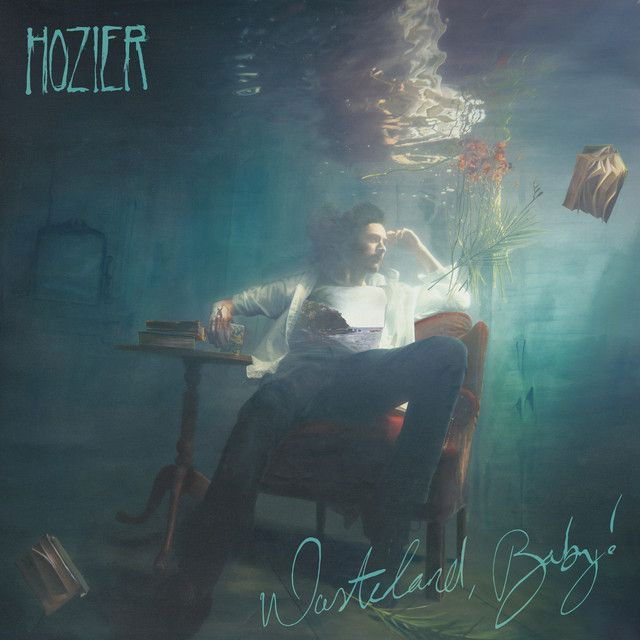
This track appears on Wasteland, Baby! by Hozier, released in 2019, and Hozier is credited as its writer. Those details are listed on the album’s official credits and major music databases such as Columbia Records and AllMusic. That larger album often balances doom and tenderness, so this song fits neatly into its world: love arrives in a harsh landscape, but it still glows.

Watch the official Would That I
music video
A Love Song Told Through Trees and Flame
At the start, the narrator remembers seeing someone whose beauty feels organic and almost sacred. The image of hair moving like a branch suggests grace, softness, and a deep link to the natural world. But Hozier quickly shifts from admiration to pain. When the song mentions the sound of cutting wood, it suggests that love hurts from the inside out. The tree knows the saw, just as the heart knows heartbreak.
That is the key movement of the song: love is never passive here. It changes matter. It cuts, burns, and leaves marks.
One of the song’s most revealing ideas comes when the narrator admits they fell in love with the fire
. Paraphrased, that means they are not only drawn to a person; they are drawn to intensity itself. Passion is not separate from danger. It may even be part of the appeal.
The Chorus Turns Pain Into Gratitude
The chorus sounds big and warm, but its message is more complex than simple happiness. The narrator says this is not the night they are first lit up by desire. In other words, they have been changed before. They know what it means to burn.
Still, the repeated line you’re good to me
matters because it softens the violence of the imagery. Fire may destroy wood, but in this relationship it also gives heat, light, and life. The song holds those truths together.
And it's not tonight
Where I'm set alight
Your blinding light
These short lines show how the chorus works. It looks backward while standing in the present. The speaker is saying: this feeling is familiar, but this person still overwhelms them.
What the Main Symbols Mean
Wood, roots, and old loves
Across the verses, wood seems to represent past relationships and older versions of the self. When the narrator describes still living roots
being consumed, the image suggests that old attachments were not fully dead when new passion arrived. That makes the song less neat and more human. Moving on often hurts because something living is left behind.
Fire as passion and transformation
Fire is desire, but not only desire. It also stands for change. When wood burns, it cannot return to what it was. In the same way, every serious love affair leaves permanent emotional effects. The narrator does not come through romance unchanged.
Ash and snow
Later, ashes rising and settling “pure as snow” suggest cleansing after pain. What has been burned becomes lighter, quieter, and strangely beautiful. That image gives the song its emotional twist: suffering is not praised, but it is treated as part of growth.
How Hozier’s Sound Deepens the Meaning
The production supports the lyric imagery. Hozier often blends folk, rock, soul, and blues textures, and that earthy mix suits a song built from trees, flame, and weather. On Wasteland, Baby!, his vocals frequently move between intimacy and force, a contrast also noted in coverage from NPR and Rolling Stone. In “Would That I,” that approach matters.
The verses feel more winding and image-heavy, almost like an old story being retold. Then the chorus opens wider, with a lift that feels like sparks catching air. The repeated vowel sounds and layered backing vocals create heat without needing fast tempo. Even when the words describe damage, the music feels alive and warm.
That contrast is important. If the song sounded cold, it would feel tragic. Because it sounds radiant, it feels transformative.
Two Strong Readings of the Song
Interpretation: a song about leaving old love behind
One clear reading is that the narrator is entering a new relationship while recognizing the cost. Past loves become the wood left behind; the current lover is the flame that consumes them. In this reading, the song is about being changed by new devotion, even when memory still lingers.
Interpretation: a song about being addicted to intensity
Another valid reading is that the narrator is not just in love with a person, but with emotional combustion itself. The line about still worshipping the flame points in that direction. They may know passion can destroy, yet they remain drawn to brightness, heat, and risk.
Both readings can be true at once. That layered tension is a big reason listeners return to the song.
Why the Song Connects So Deeply
Part of the meaning of Would That I Hozier is that love rarely arrives cleanly. People carry old roots, old scars, and old desires into the present. Hozier gives that messy truth a mythic shape. Instead of saying “I got hurt before,” they build a living world of branches, embers, and ash.
The result is romantic, but never naive. It admits that tenderness can come from the same place as ruin.
Final Take on “Would That I”
“Would That I” is about the way love remakes a person. It honors attraction, grief, memory, and gratitude all at once. Hozier frames romance as a force of nature, and that makes the song feel ancient even while its feelings are immediate.
That is the lasting power of the track: it understands that to love someone deeply is often to let an old self burn away.
Disclaimer: This interpretation is based on the song’s lyrics, recorded performance, and publicly available release context. As with most art, listeners may reasonably hear different meanings in it.








