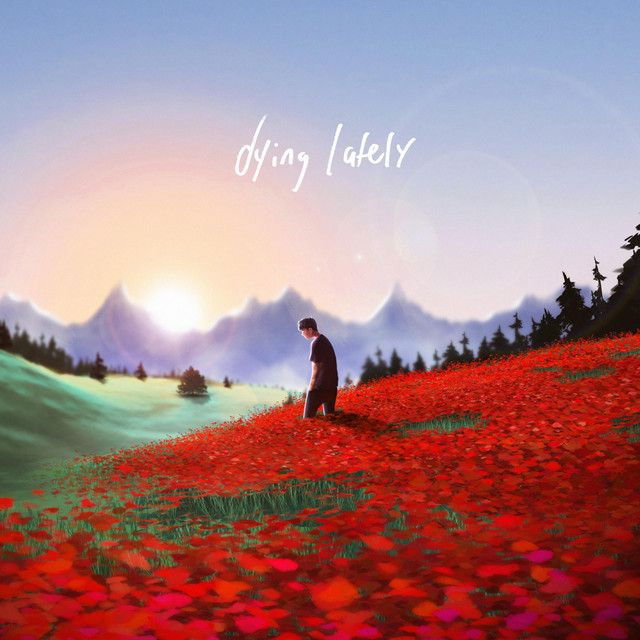
what gives by iamjakehill
The meaning of what gives iamjakehill comes down to one painful contradiction: they do not want to die, but they also do not know how to keep living like this. The song turns that emotional deadlock into a blunt, restless confession.
"what gives" - iamjakehill
I don't wanna try (I don't wanna try)
I don't wanna die, I don't really wanna live
Loading lyrics...
Unable to load lyrics
We're unable to display the lyrics at this time. Please try again later.
As iamjakehill, Daniel Jacob Hill is known for blending rap, alternative rock, and metal, and he has said his work often comes from "turning negative things into a positive outlet." That context matters here because the song does not sound like a detached story. It feels like a direct portrait of depression, exhaustion, and the effort to survive inside both. According to the available discography summary, what gives appears on the 2021 album dying lately.
A Hook Built on Emotional Whiplash
The chorus is the key to the whole track. The speaker says I don't wanna die
, then almost immediately undercuts that with emotional numbness and defeat. That push-pull is the song's central idea: they are trapped between survival instinct and total burnout.
When the hook asks what gives?
, it is not a casual complaint. It sounds like a person demanding an explanation from life itself. Why keep trying if every effort feels useless? Why move forward if the road already looks finished?
Interpretation: The song is less about a single crisis than about living in a repeating cycle where despair keeps coming back. The chorus repeats because the mental state repeats.

Watch the official what gives
music video
Verses That Map a Mental Spiral
The first verse quickly builds the daily reality behind that chorus. Sleep is broken, energy is gone, and the week feels like one long blur. The line about coming alive at night suggests a familiar pattern in depression and anxiety: daytime can feel deadening, while nighttime becomes a place where thoughts get louder.
Then the song turns more dangerous. Images of an ending road and a rope show how close the speaker feels to collapse. Still, they pull back from finality in the same breath. That matters. Even in the darkest moments, the lyrics show hesitation, reversal, and conflict.
In the next section, they describe carrying dead dreams
and hiding behind a mask
. Those are simple images, but they do a lot of work. Failed plans become something physical to carry, while the mask suggests shame, isolation, and the pressure to look normal when everything feels broken.
Self-Hatred, Not Just Sadness
One of the strongest parts of the song is how clearly it separates sadness from self-hatred. The speaker does not only miss the past; they also hate the person they feel they have become.
That difference gives the song extra weight. Many tracks about depression stay broad, but this one gets specific about identity damage. They feel weak, worn out, and unlike the earlier version of themself they remember.
Later, the lyrics admit vulnerability in a striking way, especially when the speaker says weakness and crying are part of being human. That moment interrupts the harsher lines with honesty instead of bravado. It also fits Hill's larger body of work, which often treats anxiety and depression as subjects worth saying plainly rather than hiding.
The Images of Burial, Water, and Tunnels
The middle of the song leans on three major motifs:
- burial and graves
- drowning and waves
- tunnels without light
Each one points to a slightly different kind of pain. The grave image suggests self-destruction and resignation. The wave image suggests being overwhelmed by forces that keep pulling them down. The tunnel image captures the loss of hope: not just being trapped, but reaching the end and still not finding light.
These are heavy symbols, but the writing stays accessible. Instead of abstract poetry, the song uses plain pictures that most listeners can grasp right away.
Don't hold your head too low
You're better than the dirt
This brief moment is important because it sounds like self-talk, almost like a last-second attempt at rescue. The speaker is trying to coach themself through the breakdown. That does not erase the darkness, but it changes the meaning of the song. It becomes a struggle between collapse and endurance, not just a portrait of doom.
Why the Sound Matters as Much as the Words
The meaning of what gives iamjakehill also comes through the production style. Even without detailed production credits in the provided material, the track clearly fits the iamjakehill approach described in biographical summaries: rap cadences fused with rock and metal energy. That hybrid sound helps the song feel unstable in the right way.
The beat and vocal delivery push forward with urgency, while the melodic sections carry the emotional ache. That contrast mirrors the lyrics themselves. The speaker sounds active, even aggressive, but the content reveals depletion and despair.
This matters because the song is not softly defeated. It is tense, fast, and confrontational. That gives the pain motion. Instead of sounding frozen, the track sounds like someone running on fumes.
Artist Context Sharpens the Reading
Hill's broader catalog often draws on anxiety, depression, and personal struggle, and biographical summaries note those themes as major influences on his music. That does not mean every line should be read as literal autobiography. Still, it does make this song feel consistent with the emotional territory he regularly explores.
Interpretation: Listeners can hear what gives as both a personal confession and a broader anthem for people who feel mentally overworked, ashamed, and misunderstood. When the song says others do not know the full story, it captures a common experience: appearing functional while privately falling apart.
Final Take on the Song's Message
In the end, the meaning of what gives iamjakehill is not simply that life hurts. It is that living with pain can create a state where someone cannot fully choose life or death, hope or surrender. They hover in between, asking why nothing helps and still trying to hold on anyway.
That is why the song hits so hard. It is brutally honest about despair, but it never stops showing the fight inside that despair.
Disclaimer: This interpretation is based on the lyrics provided, publicly available artist context, and musical analysis. Song meaning can remain subjective, and different listeners may hear it differently.








