Why ‘The Shower Scene’ Turns Psycho Into Metal
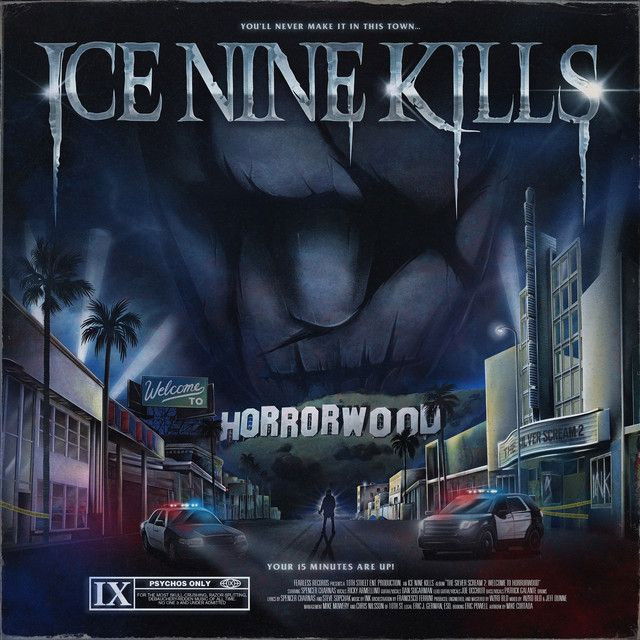
The meaning of The Shower Scene Ice Nine Kills starts with a clear idea: they are not just writing a horror song, they are retelling Psycho as a slick, violent stage play in metal form. The track appears on The Silver Scream 2: Welcome to Horrorwood, an album built around famous horror films, and Ice Nine Kills have openly built their modern identity around that concept.
"The Shower Scene" - Ice Nine Kills
We always have a room to spare
Don't mind mother, she is not well
Loading lyrics...
Unable to load lyrics
We're unable to display the lyrics at this time. Please try again later.
In this song, they turn Norman Bates into a narrator who sounds welcoming, wounded, and dangerous at the same time. That mix is the key to why the track works.
A Motel Invitation With a Hidden Threat
On the surface, the verses sound polite. The narrator welcomes someone inside and offers safety from bad weather. But that fake comfort quickly curdles when they mention that mother is unstable and always making trouble.
That setup mirrors Psycho: the motel owner appears awkward and harmless, yet the space is already poisoned by fear, secrecy, and control. Short phrases like room to spare
and not all there
create that double effect. They sound casual, but they also plant dread.
Interpretation: the song is about deception as much as murder. The danger is not just the attack itself. It is the way violence hides behind manners, routine, and a lonely voice that wants sympathy.
Watch the official The Shower Scene
music video
Norman Bates at the Center of the Song
The strongest reading is that the narrator is Norman Bates, speaking from inside his fractured world. They complain about cleaning up mother’s mess, which echoes the story’s twisted relationship between Norman and the mother figure ruling his mind.
When the song says Listen to Mother!
, it brings that inner conflict to the front. This is not simply a villain bragging. It sounds more like a person trapped between obedience, denial, and rage.
The Key Emotional Twist
The line I can’t come clean
matters because it works in two ways at once. In plain story terms, the narrator cannot confess what happened. In emotional terms, they cannot separate truth from the identity they perform.
That makes the song more than a horror recap. It becomes a portrait of a mind breaking apart.
How the Chorus Turns Water Into a Symbol
The chorus is where the song’s images lock together. It ties goodnight to goodbye, then shifts into pressure, drowning, and the drain. Those ideas obviously connect to the famous bathroom murder in Psycho, but they also suggest emotional collapse.
The phrase down the drain tonight
is especially important. It evokes blood and water disappearing after the crime, but it also suggests that any chance at innocence is gone. Once the act begins, everything spirals.
Interpretation: water in the song symbolizes both cleansing and concealment. A shower should be ordinary and private. Here, it becomes the place where control vanishes and evidence is washed away.
The Famous Scene, Reframed as a Full Narrative
Ice Nine Kills do not rely on one reference alone. They build a mini-story with several beats:
- A guest is invited in.
- The host hints that mother is unstable.
- Tension grows as warnings pile up.
- The shower becomes the trap.
- The spoken ending points to an investigation and disappearance.
That last spoken passage is smart because it widens the frame. The murder is not just a shocking image; it leaves a trail. Someone is missing, and the outside world is getting closer.
Can I help you, sir?looking for a young woman
Those brief lines push the song beyond the killer’s private fantasy. Now there are consequences.
Why the Sound Fits the Story So Well
Part of the meaning of The Shower Scene Ice Nine Kills comes from its arrangement. Ice Nine Kills are a metalcore band, but they often mix theatrical hooks, clean singing, horror-movie textures, and sudden heavy breakdowns. That style is perfect for Psycho because the story itself swings between politeness and brutality.
The cleaner vocal moments feel like the mask Norman presents to guests. Then the guitars and drums hit harder, almost like the violent truth breaking through the polite surface. The quick shifts in tone mirror split identity.
Spencer Charnas co-wrote the song with Drew Fulk, Steve Sopchak, Dan Sugarman, and Joe Occhiuti, and that team helps explain the track’s polished but aggressive feel. Even without quoting outside commentary here, the band’s larger catalog shows how carefully they use horror references as musical structure, not just decoration.
Themes Beneath the Blood
Beneath the slasher imagery, the song circles a few lasting themes:
Identity and Division
The narrator speaks as if they are both responsible and not responsible. They blame mother, yet they are the one dealing with the aftermath. That split keeps the character unstable.
Guilt and Denial
They know something terrible has happened, but they avoid direct confession. That makes the song feel nervous, not triumphant.
Hospitality as a Trap
The warm welcome is part of the horror. Safety is performed, not offered.
Final Take: More Than a Horror Reference
The meaning of The Shower Scene Ice Nine Kills is not hard to find, but it is richer than a simple movie tribute. They use Psycho to explore how charm can hide violence, how guilt can twist into denial, and how a fractured voice can make horror feel intimate.
That is why the song sticks. It delivers the expected knife-and-blood imagery, but it also captures the sadness and instability underneath Norman Bates as a character. The result is catchy, cinematic, and unsettling in exactly the right way.
Disclaimer: This interpretation is based on the lyrics, the song’s horror-film references, and publicly known context around Ice Nine Kills’ concept work. As with any song, listeners may hear different meanings.








