Why 'The Passenger' Feels So Free
The meaning of The Passenger Iggy Pop starts with a simple image: someone riding through the city at night, looking out the window. But the song is bigger than a car ride. It turns watching into a kind of power.
"The Passenger" - Iggy Pop
And I ride, and I ride
I ride through the city's backsides
Loading lyrics...
Unable to load lyrics
We're unable to display the lyrics at this time. Please try again later.
On the surface, the narrator is passive. They are not driving. They are just moving through the world. Yet that position lets them notice beauty, damage, distance, and desire all at once. That tension is why the song still feels alive.
A Night Drive That Becomes a Worldview
At its most direct, the song is about seeing life from the side seat. The repeated idea of being the passenger
suggests someone carried by forces larger than them—another person, a city, or even time itself.
Interpretation: That does not make the song helpless. In fact, it may be the opposite. Because they are not steering, the narrator can observe the world with unusual clarity. They move past the city’s rough edges and still find something thrilling in it.
This is where lines about the city’s damaged side matter. The song notices urban wear and emptiness, but it pairs that with stars, motion, and shared belonging. It sees a broken place and says it still looks so good tonight
.
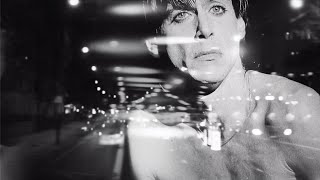
Watch the official The Passenger
music video
The View From the Window Matters
One of the key images is looking out through glass. The narrator says they are under glass
and keeps returning to the window. That image creates distance. They are present, but separated.
Interpretation: The glass can suggest modern isolation. They are close to the world, but never fully inside it. At the same time, the window frames experience like a film scene. The city becomes something to study, almost something to possess through attention.
That helps explain the song’s shift from private seeing to shared ownership. By the end, the world seems to belong to you and me
. This is less about literal ownership than emotional claim. The ride turns anonymous streets into a personal landscape.
Where the Song Came From
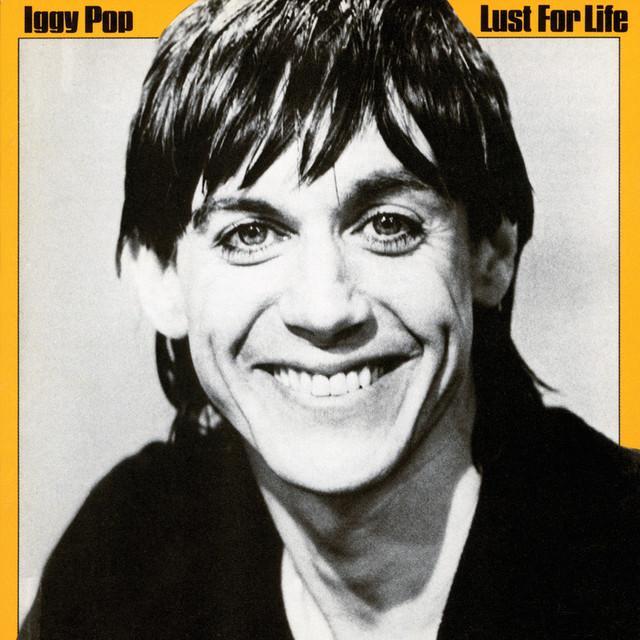
Factually, “The Passenger” appeared on Lust for Life in 1977, one of the albums Iggy Pop made during his Berlin period, a time strongly tied to his creative recovery and collaboration circle after years of chaos. Basic release and album details are documented by sources like Britannica and AllMusic.
The song is credited to James Newell Osterberg and Ricky Gardiner. Gardiner’s writing role is important because the music’s steady, driving shape helps turn a simple lyric idea into something hypnotic.
Critics and biographical sources have also linked the song’s concept to a line from Jim Morrison’s poem “The Lords,” about modern life being viewed from a car window, a connection noted in references such as Wikipedia’s song entry. That context does not lock the meaning, but it supports the idea that the song is about spectatorship as much as travel.
How the Music Sells the Meaning
The track’s arrangement is one reason the song feels so open. The beat keeps pushing forward, while the guitar pattern stays clean and circular. Instead of sounding panicked, it sounds steady, almost casual.
That matters. A darker arrangement could have made the city feel threatening. Here, the groove makes movement feel liberating. The melody is simple enough to invite participation, which is why the chorus expands into the famous la la la
refrain.
Why the Chorus Hits So Hard
The chorus drops specific images and becomes pure motion. It is less about explaining than absorbing the feeling of the ride. Listeners do not need details to understand it; they feel the repetition in their body.
Interpretation: That is why the song can feel communal even though the narrator begins alone. The hook turns one person’s observations into a shared experience.
Symbols Inside the Ride
Several images do most of the song’s emotional work:
- The passenger: an observer, outsider, or witness.
- The city: modern life in all its beauty and damage.
- The stars: moments of wonder above ordinary struggle.
- The glass/window: distance, safety, and detachment.
- The ride: time passing, desire moving, life unfolding.
Even the phrase bright and hollow sky
holds two feelings at once. The world is beautiful, but also empty. That mix gives the song its emotional depth.
He looks through his window
What does he see?
Those brief lines capture the whole method of the song. It is built on looking, then trying to make meaning from what passes by.
The Best Reading of the Song
The strongest reading is that the meaning of The Passenger Iggy Pop lies in detached freedom. The narrator is not in command, yet they feel intensely alive. They witness a flawed city and still discover pleasure, connection, and even ownership in the act of seeing.
A second valid reading is more existential. Interpretation: The passenger may represent anyone moving through modern life without full control, trying to claim beauty where they can. The song does not solve that condition. It turns it into an anthem.
That balance is what makes it last. It is cool without being empty, and romantic without pretending the world is perfect.
Why It Still Connects
American listeners still respond to the song because night-driving music rarely says this much with so little. It understands that freedom is not always about taking the wheel. Sometimes it is about attention, rhythm, and who shares the ride.
In that sense, “The Passenger” is not just about travel. It is about learning how to live inside motion.
Disclaimer: This interpretation separates documented context from informed reading. Like many classic songs, “The Passenger” supports more than one meaning.








