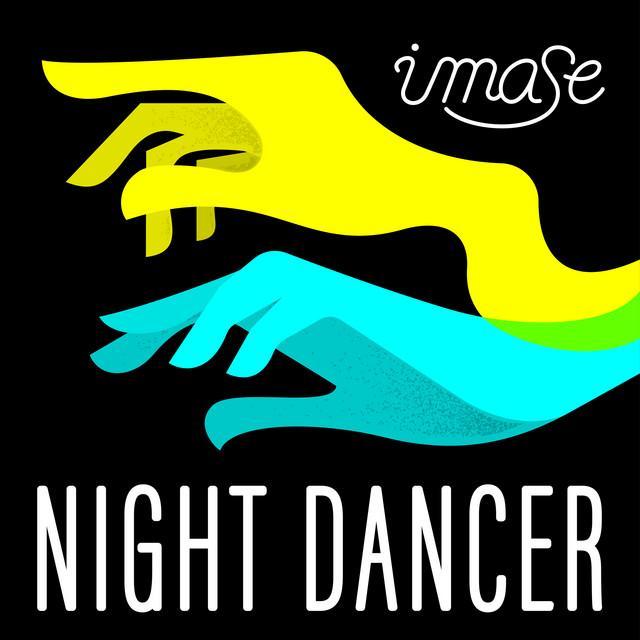
Why 'NIGHT DANCER' Feels So Bittersweet
The meaning of NIGHT DANCER imase comes from a simple but powerful idea: sometimes two people know a moment cannot last, so they stop trying to explain it and choose to feel it instead. The song turns a dance into a small shelter from time, regret, and the pressure to say the perfect thing.
"NIGHT DANCER" - imase
With you here by my side nowhere I'd rather be (yeah)
Now time is stoppin' like the hand of a clock
Loading lyrics...
Unable to load lyrics
We're unable to display the lyrics at this time. Please try again later.
imase is a Japanese singer-songwriter known for catchy, internet-era pop with clean hooks and emotional directness. According to official artist profiles and release information, they write their own material, and “NIGHT DANCER” became one of their breakout songs with wide international reach, especially across Asia and online short-form video culture. That context matters because the song is built to be immediate on first listen, but it carries more sadness than its glossy surface first suggests.
A Last Dance Instead of a Last Conversation
At the center of the song is a relationship sitting in an in-between space. The narrator is close to someone they still want, but the lyrics suggest that the future is uncertain. Rather than argue, confess too late, or force closure, they ask for one more shared experience.
That is why the recurring line Don't talk to me
is not cold in this song. It sounds more like a plea to protect the moment. The narrator seems to believe that words could break the spell, while dancing might preserve what still feels alive.
This is what gives the chorus its emotional weight. When they ask the other person to keep moving to the beat
, the dance becomes a substitute language. They are not rejecting intimacy. They are choosing a form of intimacy that feels safer, simpler, and more honest than speech.
Time Freezes, but Only for a Night
One of the song’s strongest ideas is that music can make time feel strange. Early on, the narrator says time feels frozen, and the room becomes almost dreamlike. That image suggests they are trapped between memory and the present, unable to move forward but unwilling to let go.
The lyrics also keep returning to replay: records spinning, melodies repeating, moments coming back. When the song refers to the past like a record you can put on again, it frames love as something that keeps looping in the mind. The relationship may be ending, but emotionally it is still playing.
Interpretation: This makes “NIGHT DANCER” feel like more than a scene at a club. It can also be heard as a memory-space, where the narrator re-enters one glowing moment over and over because it hurts less than accepting the end.
The Unsaid Matters More Than the Said
A key lyric idea is that the most important things between these two people are not spoken aloud. The song points to unspoken words, facial expressions, and shared looks. In other words, the silence is full, not empty.
That is why a short phrase like our time's running out
lands so hard. It quietly reveals what the upbeat production tries to hide: this night has an ending. The pair may already know that, and the song’s tenderness comes from how gently it handles that truth.
There is also a mature emotional choice in the line of thought that says it may be best to leave some things unsaid. The narrator does not seem cowardly as much as careful. They are trying to keep the connection beautiful for as long as possible.
How the Sound Carries the Meaning
A big part of the meaning of NIGHT DANCER imase lives in its production. The track is sleek, danceable, and light on its feet. The beat keeps everything moving forward, while the melody has a smooth, almost floating quality.
That contrast is the point. The sound says celebration, but the lyrics hint at loss. The listener ends up feeling both at once: the rush of being alive in the moment and the ache of knowing the moment cannot stay.
The repeated vocal hook and the playful syllables near the chorus add to the loop effect. They make the song feel circular, like a night that never fully ends. Meanwhile, imase’s vocal delivery stays controlled and airy rather than explosive, which helps the sadness remain understated.
Two Strong Ways to Read the Song
Reading One: a farewell on the dance floor
The clearest reading is that this is a last night together. The narrator wants closeness without confrontation. When they ask to dance the night away
, they are asking for temporary escape from an ending both people can sense.
Reading Two: a memory they cannot leave
There is another valid reading. Because the song talks about replay, frozen time, and scenes inside the mind, it may partly take place in memory. The person beside the narrator could be physically present, but they could also be emotionally present only in recollection.
In both readings, one image stands out: Dancing in the darkness
. Darkness here feels protective, almost merciful. It hides the future and lets the pair stay in feeling rather than facts.
Why the Song Connects So Widely
“NIGHT DANCER” works because it captures a common emotional truth in a very accessible pop form. Many people know what it feels like to want one more night before change arrives. The song does not over-explain that feeling. It trusts rhythm, repetition, and small details to carry it.
That is also why the song travels well across language and culture. Even without catching every line, listeners can feel the push and pull between joy and sadness. The body hears a dance track; the heart hears hesitation.
The Real Takeaway From imase's Hit
In the end, the meaning of NIGHT DANCER imase is not just about nightlife or romance. It is about choosing presence over explanation when a relationship reaches a fragile edge. The song suggests that one dance can hold desire, memory, fear, and goodbye all at once.
That mix of motion and melancholy is what makes it linger.
Disclaimer: This interpretation is based on the released lyrics, performance style, and public song context. Like many pop songs, “NIGHT DANCER” can support more than one meaning.








