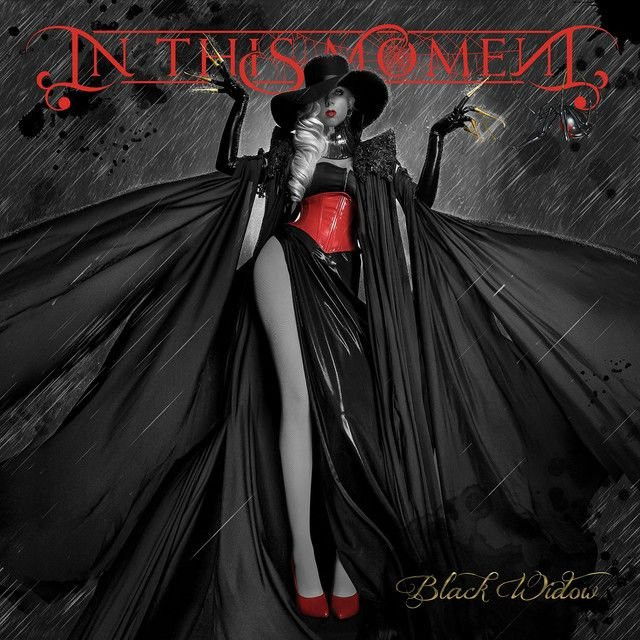
Into the Darkness by In This Moment
They don’t ease you in—this track is a reckoning. The meaning of Into the Darkness In This Moment centers on an internal war: one voice attacks and shames, while another defends, heals, and finally forgives. As a short, spoken piece within their album arc, it is less a standalone single than a crucible where the next songs are forged.
"Into the Darkness" - In This Moment
I am beautiful
I hate you
Loading lyrics...
Unable to load lyrics
We're unable to display the lyrics at this time. Please try again later.
Two Voices, One Battle Inside
The lyrics unfold as dialogue. A hostile inner critic spits, You repulse me
. Immediately, a counterspeaker asserts, I am beautiful
. That back-and-forth structure makes the conflict unmistakable: self-loathing versus self-worth.
Interpretation: They are staging parts of the same person. One voice echoes abuse, social shaming, and spiritual doubt; the other voice sets boundaries and claims dignity. This is In This Moment’s wheelhouse—ritual, shadow work, and rebirth delivered through performance.
Watch the official Into the Darkness
music video
What the Song Is Really Saying
Under a minute or two, the piece functions like a guided exorcism of toxic beliefs. The hostile voice tries to fix the narrator’s identity to shame and abandonment. The protector voice refuses that script, reframing the self as worthy, pure, and in control of their story.
Interpretation: The meaning of Into the Darkness In This Moment is not about wallowing in trauma; it’s about naming it, talking back to it, and then walking away. The dramatic tension is purposeful—their catalog often uses theater to make healing feel tangible and loud.
A Step-by-Step Descent and Rise
Here’s the emotional timeline the track sketches:
- Attack: The critic declares
You repulse me
and blames the narrator for past wounds. - Defense: The self answers with
I am beautiful
, pushing back on the lies. - Faith whiplash: One side growls
There is no God
; the other repliesGod is inside of me
, reclaiming power without outside approval. - Old wounds: A barbed line—
No wonder your father left you
—pulls abandonment into the open. The counter-voice insists on protection and accountability. - Release: The closing move—
I forgive you
—shifts the frame from punishment to freedom.
Interpretation: Forgiveness here is not excusing harm. It’s cutting the rope that keeps the critic tethered to the narrator’s identity.
Faith, Fire, and the Shadow Self
The title points straight at the work: going “into the darkness” means facing the shadow—shame, rage, fear—rather than bypassing it. The lyric pair There is no God
/ God is inside of me
signals a battle between nihilism and inner divinity. The song also tosses out threats of hell and images of purity, dramatizing how moral language gets weaponized—and then reclaimed.
One striking line speaks of floating “to mortality.” Interpretation: Choosing mortality over fantasies of perfection is a way to become fully human again. The self stops chasing an unreachable ideal and accepts their real, living body and story.
Production That Feels Like an Exorcism
Musically, this is a cinematic interlude, not a riff-driven banger. The production leans on whispered doubles, hard-panned voices, and cavernous reverb, letting space and contrast do the heavy lifting. Sub-bass swells and noise beds create dread; sudden dry vocal moments feel confrontational, as if the critic is right in your ear.
Kevin Churko’s studio imprint—precision dynamics, punchy low end, and theatrical layering—frames the dialogue like a ritual scene. Interpretation: By stripping away full-band grooves, the track forces listeners to sit with the words. When the final line lands, the silence after it functions as the downbeat—closure you can feel.
Where It Sits in In This Moment’s World
Into the Darkness appears on Ritual (2017), a concept-leaning record that threads spiritual imagery, witch-trial aesthetics, and personal healing. Maria Brink has often spoken about turning pain into performance and creating spaces where shame is named and released. The interlude acts as a hinge between songs—preparing the ground so the next track can hit with fuller catharsis.
Interpretation: Think of it as the cleansing breath between spells. The band uses dialogue and minimalism to reset the album’s emotional compass toward agency.
Other Ways to Hear It
- Therapeutic “parts” work: The two voices read like an Internal Family Systems exercise—protector vs. inner critic—ending in integration.
- Confronting cultural scripts: The critic echoes misogynistic slurs and moral policing; the counter-voice refuses those scripts and writes a new one.
- Spiritual autonomy: Rather than chasing external approval, the self names sacred worth from within.
Final Takeaway: Owning the Dark to Find the Light
Into the Darkness compresses a lifetime of mixed messages into one charged exchange. By the end, the self claims the mic, redefines faith, and chooses release over revenge. That’s the power move: not to forget, but to forgive—and move.
Disclaimer: Song meanings are subjective. This interpretation blends lyrical analysis with known artistic themes and production context.







