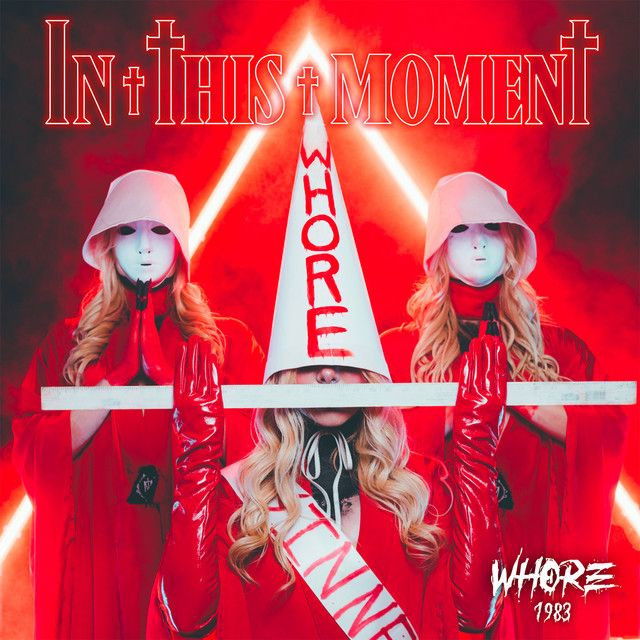
Whore 1983 by In This Moment
They come to this song for shock and stay for the switch. “Whore” turns a slur into a weapon of self-definition. If you’re searching for the meaning of Whore 1983 In This Moment, you’re likely looking for the band’s 2013 single from the Blood era.
"Whore 1983" - In This Moment
The one thing you can't live without
Yes, I'm the girl you've been waiting for
Loading lyrics...
Unable to load lyrics
We're unable to display the lyrics at this time. Please try again later.
The Word That Bites Back
At its core, the track is about power. The narrator takes labels meant to shame—like I am the dirt you created
and I am your whore
—and holds them up as a mirror. They’re not accepting the insult; they’re showing how it was made and by whom. The hook’s punch line—you love me for everything you hate me for
—exposes a cycle where desire and judgment coexist.
Interpretation: The chorus reframes insult as leverage. By naming the charge out loud, then flipping it, the narrator seizes control over their image and body, telling the accuser, in effect, that the power to define ends here.
Watch the official Whore 1983
music video
Who’s Talking—and Who’s on Trial?
The voice is first-person, confident, and confrontational. The “you” is a judge, a fan, a lover, or society itself—someone drawn in despite their scorn. When they say praying to me
and I can be your everything
, it’s not submission; it’s a reveal. The accused becomes the object of worship, and that shift unmasks hypocrisy.
Interpretation: This is a courtroom with the roles reversed. The person who cast shame now stands exposed, their desire contradicting their morals.
Symbols That Cut—And Heal
The lyric imagery leans simple but sharp: “dirt” implies being made low, yet also origin—what flowers push through. “Stones” evoke public punishment; the line about people who cast your stones
suggests faceless judgment thrown from shadows. “Mirror” is another key motif, forcing the accuser to see themselves.
The visuals from the Blood era amplified this. Maria Brink used a dunce cap and the word on her body to stage public shaming—and then reclaim it. She also coined W.H.O.R.E. as “Women Honoring One Another Rising Eternally,” turning the insult into a banner of solidarity. The stage show, with dancers and ritual props, made the theme physical.
How The Sound Says “Mine”
Musically, “Whore” sits in the band’s nu‑metal/alternative metal lane: down‑tuned, mid‑tempo, and enormous. Producer Kevin Churko shapes a hard, polished mix where crushing guitars and tight, marching drums give the lyric steel. Verses simmer with space; the chorus detonates, matching the public declaration of power. Brink’s vocal layers—hushed, taunting, then full roar—act like masks being put on and ripped off.
Interpretation: The dynamics mirror the plot. Restraint in the verse feels like taking breath under pressure. The explosive hook is the unmasking.
What Actually Happens (In Brief)
- Opening stance: the narrator names how others expected them to fail, then stakes their worth.
- Reveal: they confront a hypocrite who both desires and condemns them.
- Reversal: by owning the insult in public, they control the narrative.
- Lesson: judgment says more about the judge than the judged.
Why People Argue About It
Because the title is blunt, it’s easy to assume sleaze. But the song is deliberately sarcastic and confrontational—designed to provoke, then teach. Live, it became a centerpiece: the dunce cap returns, the word is shouted back, and the crowd participates in the reclamation.
Alternate readings:
- Survivor lens: a person names trauma and refuses to be defined by it.
- Industry critique: a woman in metal flips the stereotype placed on her visibility and sexuality.
Both end in the same place—agency.
Clearing Up the Timeline Confusion
If you typed “meaning of Whore 1983 In This Moment,” you’re in the right place, though the year is off. “Whore” first appeared on the 2012 album Blood and was released as a single in 2013. Its longevity, live impact, and later platinum certification show how its message traveled far beyond initial controversy.
The Emotional Center
This song works because it makes a hard truth simple: shame only holds power if they accept it. By speaking the label, flipping it, and standing tall, the narrator models a path from hurt to ownership.
Disclaimer: Song meaning is interpretive. This analysis combines lyrical reading, band statements, and production context to offer one informed view.








