Whore by In This Moment Meaning Explained
The meaning of Whore In This Moment starts with shock, but it lands on something deeper: reclaiming shame and turning judgment into power.
"Whore" - In This Moment
Provided by LyricFindI'm the girl you've been thinking about
The one thing you can't live without
Yeah, I'm the girl you've been waiting forLoading...Loading lyrics...
Unable to load lyrics
We're unable to display the lyrics at this time. Please try again later.
The Real Core of the Song
At its center, “Whore” is not a celebration of degradation. It is a rebellion against it. In This Moment frontwoman Maria Brink has said the song is empowering and sarcastic, built around taking power away from words used to control or belittle women. In her explanation to Steppin' Out, summarized by Songfacts, she framed it as a song about liberation, self-worth, and refusing to let insults define a person.
That matters because the title can easily mislead listeners. The song uses an ugly label on purpose. Instead of running from it, the narrator grabs it, repeats it, and exposes the people who throw it around. The key idea is not submission. It is confrontation.

Watch the official Whore
music video
A Voice That Turns Shame Back Around
The speaker opens from a position of command, not weakness. When they declare down on your knees
and begging for more
, the song flips the expected power dynamic. The person being judged is suddenly the one in control.
That shift is crucial to the meaning of Whore In This Moment. The verses describe a past where others assumed they would stay trapped, reduced, or disposable. Lines about being a rat in a cage
and left to survive alone suggest struggle, neglect, and emotional damage. But the song does not stay in that place.
Instead, it moves toward accusation. The message becomes: you made this image, you projected this identity, and now you are forced to face what that says about you.
The Chorus as a Mirror
The chorus is the song’s sharpest weapon. It repeats the insult, but only to drain it of its power. The most revealing phrase is you hate me for
, because it points to contradiction. The target of judgment is also the object of desire, fascination, and dependence.
Interpretation: the chorus suggests that the people doing the shaming are often exposing themselves. Their moral outrage may hide attraction, insecurity, or fear. In that reading, the song is less about one insult than about hypocrisy itself.
There is also a spiritual twist in the line about being prayed to. That image pushes the song beyond personal revenge. It makes the judged woman seem almost untouchable, as if she has become larger than the names thrown at her.
How the Story Unfolds
From survival to dominance
The song follows a clear emotional path:
- It begins with desire and obsession.
- It reveals a history of hardship and underestimation.
- It turns that history into strength.
- It ends by exposing the hypocrisy of the accuser.
That structure gives the song its force. Early pain makes the later confidence feel earned. The narrator is not simply bragging; they are speaking after surviving a system of judgment.
The turning point
One of the song’s most important ideas appears in the challenge to look in the mirror
. This is where the song stops being only personal. It becomes a message to anyone who condemns others from a safe distance. The mirror image says the insult reveals as much about the speaker as the target.
Symbols, Motifs, and Double Meanings
Several motifs hold the song together:
- Dirt and sin: These words reflect how society brands women as impure.
- Kneeling and praying: These images reverse power and suggest worship instead of shame.
- Cages and stones: They point to judgment, confinement, and public punishment.
- Mirrors: They symbolize self-recognition and hypocrisy.
Interpretation: the title word becomes a symbol, not a literal identity. Brink has even described the song’s message as taking something dirty and twisting it into empowerment, according to Songfacts. That framing supports a reading of the song as social commentary on misogyny and control.
Why the Sound Hits So Hard
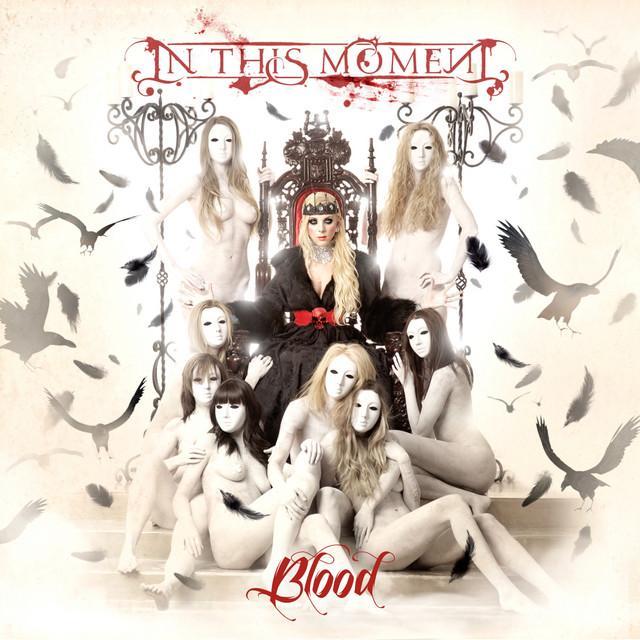
The production helps sell the message. “Whore” appears on Blood and was later released as a single on December 17, 2013, according to Wikipedia. Its blend of nu metal heft, hard rock hooks, and theatrical delivery makes the song feel confrontational from the first seconds.
Chris Howorth described it as a bombastic track with crushing guitars and huge drums, as quoted by Songfacts. That description fits. The riffs are blunt and aggressive, the rhythm section pounds forward, and Brink’s vocals move between seduction, sneer, and fury.
This matters because a softer arrangement might have sounded wounded. Instead, the music sounds towering. It turns a painful label into an anthem.
Context, Video, and Lasting Impact
The visual side reinforced the song’s themes. The music video, directed by Robert Kley, uses a dark vintage style and centers on power reversal, with Chris Motionless appearing in a key role, as noted by Songfacts and Wikipedia. Brink also used imagery like the dunce cap marked with the title word to show public shaming being turned into defiance.
Commercially, the song lasted far beyond its initial controversy. It peaked at No. 12 on Billboard’s Mainstream Rock chart and was certified Platinum by the RIAA in 2022, according to Wikipedia. That success suggests the song connected because it gave listeners a dramatic way to answer contempt with confidence.
Final Take on Its Meaning
The meaning of Whore In This Moment is about taking a degrading label and refusing to be ruled by it. The song turns insult into exposure: of hypocrisy, control, and fear.
Interpretation: listeners may hear it as a feminist anthem, a survivor’s statement, or a broader message about reclaiming language. Any of those readings fit the song’s design. As with all lyric analysis, this interpretation is informed by artist comments and the song’s text, but meaning can still vary from listener to listener.







