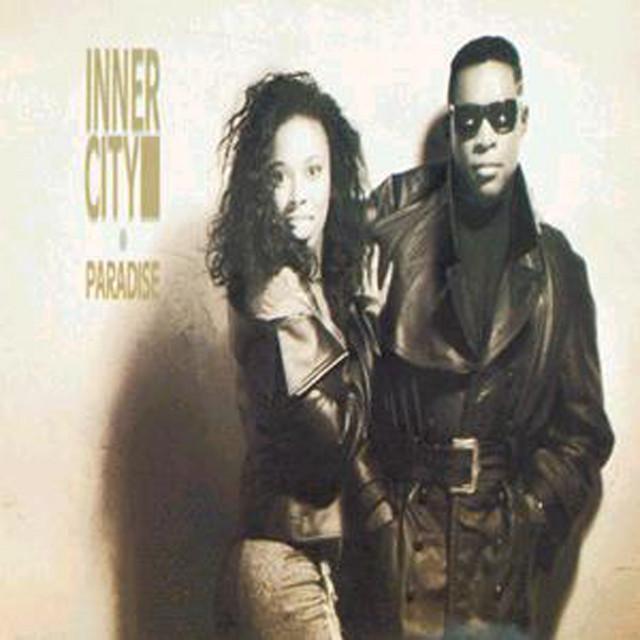
Why Inner City's Groove Still Feels Liberating
The meaning of Do You Love What You Feel - Duane Bradley Album Mix Inner City starts with a simple question, but it opens into something bigger. This is not just a love song. It is a song about trusting joy, accepting pleasure without shame, and letting emotional truth rise to the surface.
"Do You Love What You Feel - Duane Bradley Album Mix" - Inner City
Like you walk around in a daze
Do you love what you feel?
Loading lyrics...
Unable to load lyrics
We're unable to display the lyrics at this time. Please try again later.
Inner City came out of Detroit's late-1980s dance scene, with Kevin Saunderson helping define a style that joined machine-driven house music to warm, soulful vocals. On the group's official site, their story is tied to Detroit dance culture and crossover success. That context matters here: the song turns the dance floor into a place of affirmation.
The Heart of the Message
At its core, the song asks whether a person can accept their own happiness. The title line, Do you love what you feel?
, sounds romantic at first. But in the full lyric, it acts more like a challenge. They are not only asking if love feels good. They are asking if someone can trust their own inner response.
The verses build that idea with images of lightness and openness. When the song describes a person with a happy gaze
and a head in a cloud
, it suggests a state of uplift. That could mean being in love, but it could also mean feeling free, hopeful, or spiritually awake.
Interpretation: The song treats happiness as something people often doubt. Instead of warning against euphoria, it argues that joy may be the most honest feeling of all.

Watch the official Do You Love What You Feel - Duane Bradley Album Mix
music video
A Chorus That Sounds Like Permission
The repeated hook is powerful because it does not overexplain. House music often works through repetition, and here repetition becomes emotional pressure. Every return to the chorus asks the listener to answer for themselves.
The lyric also points inward with you know it's real
. That phrase matters because it shifts authority away from outside judgment. The song does not ask critics, friends, or society to confirm the feeling. It says the answer is already inside.
Nothing to keep you down
lots of love to be found
You've got the right to be
what you want to be
This short passage gives the song its clearest statement. It links love with freedom and self-definition. The emotional claim is simple: when love and good feeling have room to grow, they become a source of personal power.
How the Lines Connect to the Theme
Several lines work together to build one uplifting argument:
- The opening image presents someone glowing from within.
- The chorus asks if they can accept that glow.
- The later lines say no one should block that growth.
- The final repetitions turn the message into a mantra.
That structure is important. The song starts with observation, moves into questioning, and ends in affirmation. Even when the words stay simple, the emotional arc grows stronger.
A key line is the right to be
. In plain terms, the song says joy is not something a person must earn. It is a right. That gives the track a quiet political edge too, especially in club culture, where dance music has long offered freedom to people who felt judged elsewhere.
Sound, Production, and Why It Matters
The meaning of Do You Love What You Feel - Duane Bradley Album Mix Inner City is carried as much by sound as by words. Inner City's records are known for blending drum-machine precision with gospel and soul warmth, a style documented in overviews of Detroit techno such as Britannica's history. That mix creates the feeling of human emotion moving through electronic space.
In this track, the beat is steady and inviting rather than aggressive. The synths feel bright, almost aerodynamic, which matches the lyric's sense of floating upward. The vocal delivery is just as important. Rather than sounding distant or ironic, it sounds encouraging, almost conversational. That gives the title question a caring tone instead of a confrontational one.
The Duane Bradley Album Mix framing also suggests a version meant to sit within an album flow rather than only dominate a club. That can make the song feel slightly more rounded and reflective, even while it keeps the pulse of dance music.
Artist Context Makes the Song Deeper
Inner City was one of the groups that helped house and techno cross over into pop awareness without losing their emotional center. Kevin Saunderson, credited here as a writer along with Shanna Jackson, built tracks that could work in clubs and on radio. That crossover helps explain why the lyric is so direct.
Instead of abstract poetry, the song uses plain language that anyone can grasp on first listen. But simplicity is the point. Dance music often aims for emotional clarity, not lyrical complexity. Here, the directness lets the track communicate across a crowded club, a car stereo, or headphones.
Two Strong Ways to Read It
Interpretation 1: A romantic song. The lyric can describe someone overwhelmed by love and being asked to trust that feeling instead of hiding it.
Interpretation 2: A self-acceptance anthem. The stronger reading may be broader. The song sounds like encouragement to embrace pleasure, identity, and emotional truth without guilt.
Both readings fit because the song keeps the language open. That openness is part of why it lasts.
Why the Song Still Connects
What makes this track memorable is not complicated storytelling. It is the way it turns a short question into a life principle. Love, in this song, is not only romance. It is a force that helps people become more fully themselves.
For listeners, that is the real takeaway: joy is not shallow here. It is evidence. If the feeling lifts, frees, and opens a path forward, the song suggests they should listen to it.
Disclaimer: This interpretation is based on the lyrics, recording context, and Inner City's broader style. As with any song, listeners may hear meanings that differ from this reading.







