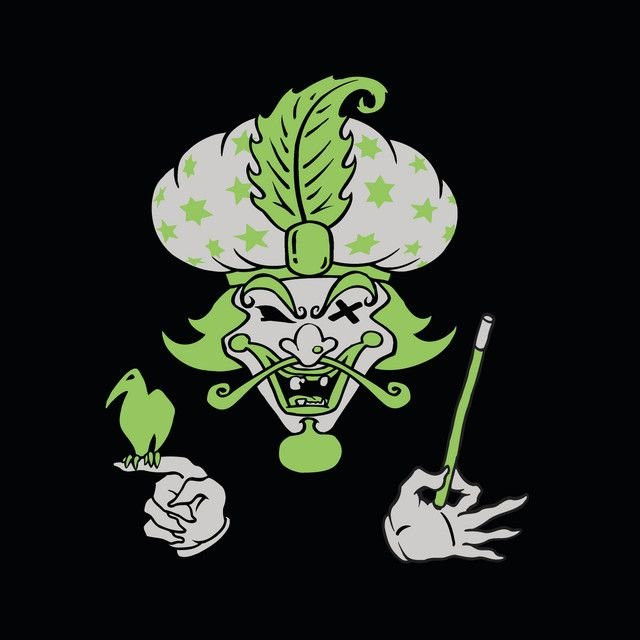
Hokus Pokus by Insane Clown Posse
A carnival song with a bigger point
The meaning of Hokus Pokus Insane Clown Posse starts with pure spectacle. On the surface, the song sounds like a wild ride through a clown carnival full of magic lamps, genies, flying carpets, and cruel jokes. But under that noisy surface, the track is really about identity, performance, and the group’s larger fantasy world.
"Hokus Pokus" - Insane Clown Posse
Jugular juggling juggalos
Folded, fat, floppy-tittied freaks
Loading lyrics...
Unable to load lyrics
We're unable to display the lyrics at this time. Please try again later.
Released in 1997 on The Great Milenko, the song was written by Joseph Bruce, Joseph Utsler, and Mike E. Clark. It became one of the better-known songs from that era, and the single later reached No. 53 on the UK chart; it was also certified Gold by the RIAA in 2022. Those facts matter because they show how this track helped define the duo’s public image: strange, funny, aggressive, and impossible to confuse with anyone else.
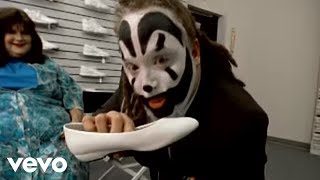
Watch the official Hokus Pokus
music video
The real subject is the ICP universe
At its core, “Hokus Pokus” is not telling one tight story. Instead, it acts like an invitation into Insane Clown Posse’s world. The repeated hook about a joker's ride
and a carnie ride
frames the song as an attraction. They are not just rapping about events; they are presenting a show.
That matters because The Great Milenko is built around a recurring character, the Great Milenko, one of the Joker’s Cards in ICP mythology. In the group’s larger concept, these cards represent dark lessons, temptations, and moral tests. So when the song keeps returning to Great Milenko
, it connects the silliness to something larger: a trickster force that exposes weakness and pulls people into chaos.
Interpretation: the song works like a mission statement. It says their art is part rap performance, part horror comedy, and part carnival sermon. They use shock and absurdity to pull listeners into that mix.
How the verses build the theme
The verses jump from shout-outs and insults to magic tricks and street memories. That jumpiness is the point. The song acts like a sideshow, where every few seconds a new act appears.
One moment they describe arriving with a hat full of tricks
; the next, they are talking about Faygo, freak-show imagery, or old crew stories. These details create the Juggalo atmosphere: low-budget, loud, proud, and outside the mainstream.
A key part of the meaning of Hokus Pokus Insane Clown Posse is that the song celebrates outsider belonging. They salute fans, crews, and people “down with the clown,” making the carnival feel like a community. Even the ugly, rude, or absurd images serve that purpose. They turn social weirdness into group identity.
A short lyric moment that sums it up
The song’s hook is the clearest summary of its promise:
Hokus pokus, joker's ride
come take a spin on a carnie ride
That brief refrain matters because it turns the listener into a participant. They are not watching from far away. They are being asked to get on the ride.
Magic, violence, and comedy all mean the same thing
ICP often mixes fantasy violence with slapstick humor. Here, the magical lamp, genie, and carpet are less about wonder than about exaggeration. They make everything feel bigger, meaner, and funnier.
Interpretation: the fantasy elements symbolize artistic freedom. In the world of the song, normal rules do not apply. A bad night can become a legend. An insult can become a joke. A clown can become a wizard. That transformation mirrors what ICP does as performers: they take ordinary social anger and turn it into grotesque theater.
The violence is also theatrical rather than realistic. It feels like a haunted funhouse version of danger. That is why the song sounds mischievous more than tragic. They are trying to shock, but they are also winking at the audience.
Why the chorus melody matters
One of the most important musical facts is that the chorus uses the melody of “Streets of Cairo,” a tune many Americans associate with snake-charmers, carnivals, and old novelty entertainment. That borrowed melody instantly creates a cheap, crooked midway feeling.
Producer Mike E. Clark leans into that mood with a beat that feels bouncy rather than heavy. The rhythm lets the rappers sound playful even when the imagery gets nasty. Their voices are delivered like barkers at a tent show, always pushing the next attraction.
This production choice is crucial to the song’s meaning. If the same lyrics sat over a dark, slow beat, they would sound more threatening. Here, the music makes the chaos feel cartoonish. It tells listeners not just to fear the carnival, but to enjoy it.
Artist context changes the reading
In 1997, ICP were building the myth of the Dark Carnival while also fighting for space in the wider music world. The Great Milenko became a turning-point album in that story. “Hokus Pokus” captures them at a moment when they were sharpening the full package: mythology, fan culture, comedy, menace, and regional pride.
The video for the Jason Nevins remix pushed that side even further, showing them causing comic destruction in a shoe store while being chased by security. That image fits the song well. They are not presented as polished stars. They are disruptive clowns turning normal spaces into scenes of chaos.
Final take on the song’s message
So, what is the meaning of Hokus Pokus Insane Clown Posse? It is about the thrill of entering ICP’s carnival world, where ugliness becomes community, jokes become threats, and magic becomes a style of rebellion.
Interpretation: beneath all the gross-out humor, the song celebrates people who feel mocked or pushed aside. It offers them a loud, ridiculous place to belong. The ride is dangerous, stupid, and funny on purpose.
That is why “Hokus Pokus” lasts. It is not just a novelty track. It is a compact introduction to the whole Insane Clown Posse idea.
Disclaimer: This article offers interpretation based on the lyrics, known song context, and publicly available facts. Meanings can vary from listener to listener.








