Obstacle 1 by Interpol
Why This Early Interpol Song Still Cuts Deep
The meaning of Obstacle 1 Interpol often comes down to one hard feeling: desire that turns corrosive. The song sounds like a person caught between wanting someone and feeling damaged by them. It is seductive, tense, and strangely cold at the same time.
"Obstacle 1" - Interpol
We can cap the old times, make playing only logical harm
We can cap the old lines, make playing that nothing else will change
Loading lyrics...
Unable to load lyrics
We're unable to display the lyrics at this time. Please try again later.
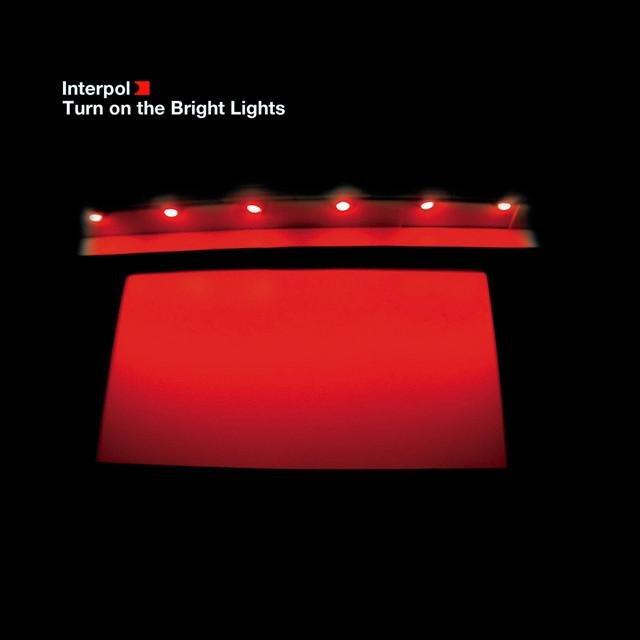
Released on Interpol's 2002 debut album, Turn on the Bright Lights, the track helped define the band's early identity. Their post-punk style mixed clipped guitars, heavy bass, and Paul Banks' distant vocal tone. That sound matters because it makes the lyrics feel less like a diary entry and more like a blur of obsession, pride, and hurt.

Watch the official Obstacle 1
music video
A Relationship That Feels Like Pressure
On the surface, the song describes a connection that is both intimate and unstable. The opening images are sensual, but they quickly turn uneasy. Instead of romance leading to comfort, it leads to tension, confusion, and emotional threat.
One of the song's most famous repeated lines is she can read
. In plain terms, the narrator seems to feel exposed. He believes this woman sees through him, understands his weak spots, and can call his bluff. That is why the repetition sounds less like praise than alarm.
Interpretation: this makes the song less about love in a healthy sense and more about power. He is drawn to someone who knows how to affect him, maybe more than he can handle.
The Chorus Turns Attraction Into Danger
The chorus gives the song its emotional center. The repeated phrase she's bad
is simple, but it does a lot of work. It can mean morally dangerous, emotionally destructive, or just irresistibly thrilling in a way that leads to trouble.
That double meaning fits Interpol well. Their early songs often live in the space between glamour and decay. In "Obstacle 1," the relationship feels magnetic, but the language around it keeps hinting at harm.
she puts the weights into my little heart
and she gets in my room and she takes it apart
Those lines are vivid because they turn emotion into physical burden. The song does not describe heartbreak as tears or open confession. Instead, it feels like pressure, intrusion, and dismantling.
What the Strange Images Might Mean
Some lyrics in "Obstacle 1" are fragmented, which is part of the song's appeal. Interpol often wrote in a way that prized mood over straightforward storytelling. Listeners are meant to feel the emotional shape first.
Take poor and aging
. That phrase may not be literal. It can suggest insecurity, self-disgust, or the fear that time has changed the narrator. He sounds like someone who feels diminished compared to the intensity he once chased.
Then there is the violent image stabbing yourself in the neck
. It is jarring and not easy to pin down. Interpretation: rather than reading it as a literal event, many listeners hear it as a shocking way to describe self-destruction, reckless behavior, or the way this relationship seems to move toward ruin.
Another revealing phrase is calling my bluff
. That line grounds the song emotionally. Beneath the surreal language, there is a simple fear: she knows he is pretending to be stronger or cooler than he really is.
How the Sound Carries the Meaning
The production is crucial to the meaning of "Obstacle 1." Interpol recorded Turn on the Bright Lights with producer Peter Katis, whose work gave the band a crisp but shadowy atmosphere; album background is widely summarized by AllMusic. The guitars slash rather than bloom, and the bass does not just support the song; it stalks through it.
That arrangement mirrors the lyrics. The music is danceable, but it never relaxes. Drums push forward with nervous force, while Banks sings with a detached cool that keeps big emotions from turning melodramatic. Because of that contrast, lines about burden and damage hit even harder.
This is one reason the track became so important to Interpol's reputation. It captured the band's gift for making emotional chaos sound stylish without making it feel shallow.
Two Strong Readings of the Song
There is no single official answer, so the best way to approach the meaning of Obstacle 1 Interpol is through plausible readings.
Reading One: A toxic romance
This is the most common interpretation. The song presents a lover who excites and destabilizes the narrator. He keeps returning to her power even while admitting she leaves emotional weight behind.
Reading Two: A portrait of self-sabotage
The woman may also represent a destructive pattern rather than one person. In that reading, the repeated focus on being exposed, burdened, and torn apart reflects the narrator's own cycle of desire and collapse.
Both readings work because the song never settles into a neat story. Its fragments feel like flashes of memory from someone who cannot separate what the other person did from what he brought into the wreck.
Why "Obstacle 1" Endures
"Obstacle 1" still resonates because it captures a very specific emotional mess: wanting what hurts, knowing it, and moving closer anyway. It sounds stylish on the surface, but underneath is panic.
That balance is why the track remains one of Interpol's defining songs. It is not just about a bad relationship. It is about how attraction, ego, shame, and fear can lock together until love starts to feel like a trap.
Disclaimer: This article offers informed interpretation based on the lyrics, recording context, and reception. Because Interpol's writing is intentionally elliptical, different listeners may reasonably hear the song in different ways.








