The Parchment by Iron Maiden
The meaning of The Parchment Iron Maiden starts with conflict, but it does not stay there. On the surface, the song sounds like a tale of armies, kings, betrayal, and revenge. Under that surface, it becomes a darker meditation on how violence keeps repeating itself across history.
"The Parchment" - Iron Maiden
Until we read the Parthian skin
Broken fears, warning days are here again
Loading lyrics...
Unable to load lyrics
We're unable to display the lyrics at this time. Please try again later.
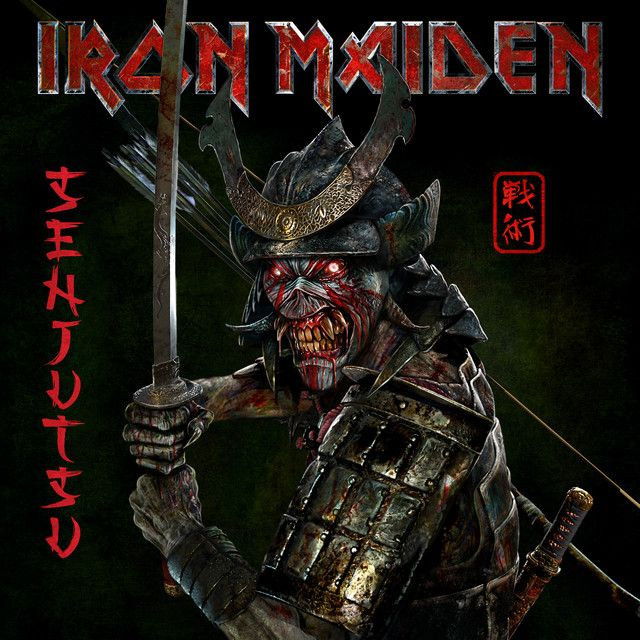
Released on Iron Maiden's 2021 album Senjutsu, the song was written by Steve Harris and runs for over twelve minutes. That length matters. They do not rush the story. Instead, they build a long, grim march through fear, loyalty, war, and the cost of vengeance.
The Core Idea Beneath the Battle Dust
At its heart, the song seems to explore what happens when people turn pain into destiny. The speaker moves through a world where kingdoms collapse, oaths are broken, and revenge feels holy. The title suggests an old record or ancient text, as if history itself has been written down on fragile skin and passed forward.
Interpretation: The parchment may symbolize memory. It holds the story of crimes, betrayals, and wars that later generations inherit. That fits the song's repeated sense that old violence is never really gone.
Early lines point toward doom and mortality. Phrases like cross to bear
and life will end
frame suffering as universal, not just political. Even when the song names kings, armies, and invaders, it keeps returning to a broader human truth: everyone lives under the shadow of death.
Watch the official The Parchment
music video
A Story of Empire, Oath, and Retaliation
The lyrics unfold less like a pop narrative and more like scenes from an epic poem. They suggest an invasion, a ruler under threat, and a people preparing to answer bloodshed with more bloodshed.
The rough timeline
- The song opens with warning signs and a sense that disaster is returning.
- A burden is accepted, and fear becomes part of a larger mission.
- Revenge begins to sound justified, even righteous.
- The battlefield arrives in full, with death, smoke, beasts, and betrayal.
- A returning figure seems to bring strength and a promise of renewed destruction.
That final turn matters because it pushes the song beyond simple defense. Once the group says sweet revenge
, justice and vengeance start to blur. By the end, retaliation feels like a new religion.
The Voice in the Song
The narrator shifts between witness, participant, and prophet. Sometimes they sound like a survivor of war. At other moments, they speak for a whole people, especially in lines built around group belief and shared revenge.
That collective voice gives the song its force. When the lyric says we are ready to believe
, it shows how easily wounded people can be gathered into a cause. Belief here is not calm faith. It is battle-ready conviction.
Interpretation: This is one reason the song feels uneasy rather than triumphant. Even when the speaker sounds strong, the emotion underneath is damaged. They are not celebrating peace won; they are preparing for more destruction.
Symbols That Drive the Meaning
Iron Maiden fill the song with medieval and ancient images, but the symbols connect to modern themes too.
The parchment
The title object suggests history, law, prophecy, or a recorded grievance. A parchment preserves the past, but it can also trap people inside it. If a nation keeps reading old injuries as a command for new violence, the record becomes a weapon.
Animals and kings
Images like fiercest wolf
make power feel primal. Leaders are not shown as wise builders. They are predators, war symbols, and figures people swear themselves to. That supports the song's harsh view of empire and loyalty.
Fire, blood, and dust
These are not just battle images. They also point to mortality and futility. Blood marks violence, fire suggests cleansing and ruin at once, and dust reminds listeners that conquerors and victims both end the same way.
Like a fire in the sky
I can feel strength return
This brief moment sounds almost uplifting, but the hope is dangerous. The returning strength does not promise healing. It appears tied to renewed struggle.
How the Music Deepens the Message
The production on Senjutsu, handled by Steve Harris and Kevin Shirley, gives the song room to feel massive. The long intro, shifting guitar lines, and slow-building pace create a sense of ancient scale rather than quick excitement. That approach matches the lyrics: this is not a single fight, but a recurring cycle.
Bruce Dickinson's vocal performance helps sell that idea. He moves between solemn warning and fierce declaration, which keeps the song balanced between prophecy and battle cry. The guitars often feel ceremonial before they turn aggressive, as if the music itself is marching toward war.
For factual context, the album credits and release details appear on Iron Maiden's official site. The band also framed Senjutsu around warlike imagery and strategy, which fits this song's ancient battlefield mood.
Artist Context Matters Here
Steve Harris has long written songs that use history, mythology, and literature to talk about human behavior. In that tradition, "The Parchment" does not need to describe one exact historical event to work. It uses older imagery to show how power, belief, and revenge keep repeating.
That is why many listeners hear echoes of fallen empires, religious conflict, and inherited grievance. The song's world feels old, but its emotional logic is current. Groups still build identity from memory, still honor loyalty, and still call revenge justice.
Possible Readings of the Ending
There are at least two strong ways to hear the closing section.
Reading one: a revenge anthem
In this view, the ending is a return of strength after humiliation. A fallen people regain power, reclaim their pride, and answer betrayal with force.
Reading two: a warning about repetition
Interpretation: The stronger reading may be that the song warns against becoming what one hates. The final energy feels thrilling, but also corrupted. What returns is not peace; it is the same fire again.
Why the Song Stays With People
The meaning of The Parchment Iron Maiden is powerful because it refuses to make war look simple. It understands why revenge feels attractive, especially after betrayal and loss. But it also shows how that feeling can harden into another cycle of blood and oath.
They turn ancient imagery into a timeless argument: history is not only remembered, it is reenacted. That makes "The Parchment" less about one battle than about humanity's habit of carrying old wounds forward.
Disclaimer: This interpretation is based on the lyrics, official release context, and musical presentation. As with many Iron Maiden songs, some meanings remain open to listener interpretation.








