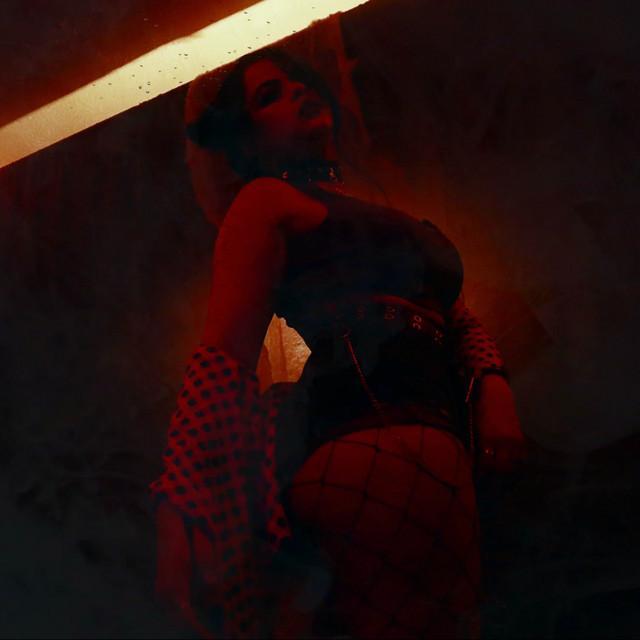
Why 'halloween came early' Feels So Defiant
The meaning of halloween came early Ivy Marie comes down to one clear idea: they are defending the right to look how they want without being judged, sexualized, or controlled. What first sounds playful and seasonal is really a pushback song. It uses Halloween-style fashion as a metaphor for personal freedom.
"halloween came early" - Ivy Marie
Anything but my black boots or my spooky shoes
But don't get it confused
Loading lyrics...
Unable to load lyrics
We're unable to display the lyrics at this time. Please try again later.
The lyrics never ask for approval. Instead, they answer critics head-on. The result is a track about identity, confidence, and the moment when outside opinions stop mattering.
A Spooky Title With a Real-World Target
At the center of the song is a clash between appearance and assumption. Ivy Marie’s narrator likes dark clothes, heavy style choices, and a look that can read as gothic, punk, or alternative. Other people see that look and jump to conclusions.
That is why the title phrase Halloween came early
works so well. In the song, it is not really about the holiday. It is a sarcastic way of showing how quickly people label anyone in black boots, dark makeup, or fishnets as weird or immoral.
Interpretation: the title frames judgment as shallow. Critics see costume; the singer sees identity.
The Song's Main Message Is Self-Definition
The verses build this meaning through details of dress and attitude. The narrator mentions black boots, heels, hair in buns, dark makeup, a chain belt, fishnet sleeves, and ripped knees. These are not random fashion notes. They show how personal style becomes a battlefield when other people think they have a right to explain someone else.
One of the song’s key ideas appears in the simple line just tryna be me
. That phrase matters because it strips away the drama others create. The narrator is not performing for shock. They are choosing clothes and moods that feel honest.
Another telling moment is do what I please
. That line turns the song from description into declaration. It says the issue is bigger than fashion. It is about agency.
How the Chorus Turns Shame Into Resistance
The chorus is where the song becomes openly confrontational. It paraphrases the kind of comments alternative-looking women often hear: that they are dirty, too much, too sexual, too strange, or somehow asking to be judged.
When the narrator says you don't even know me
, they expose the real problem. People are not responding to character. They are reacting to appearance and projecting fears onto it.
The sharpest twist comes with I don't even care
. This is not apathy in a lazy sense. It is emotional independence. The old version of the narrator might have been hurt or controlled by public opinion. The current one is not.
A Brief Look at the Emotional Arc
The song moves in three steps:
- They describe a style that feels natural to them.
- They show how outsiders misread that style.
- They reclaim power by refusing shame.
That structure makes the chorus feel earned rather than repetitive. Each return sounds more confident.
The "Untamable" Section Adds a Gendered Reading
The bridge is especially revealing because it shifts from style criticism to social discomfort. The line have to be untamable
suggests that what bothers people is not just clothes. It is independence.
Interpretation: this section can be read as a critique of how girls and young women are pressured to be readable, agreeable, and easy to manage. When someone presents themselves in a way that feels bold or unfamiliar, some observers treat that as a threat.
That reading fits the lines about being made to feel "uncomfortable." The song flips that accusation back on the audience. If a person’s outfit unsettles someone else, that discomfort may reveal more about the watcher than the wearer.
Symbols, Motifs, and the Meaning of the Look
Several motifs keep returning:
- Black boots and spooky shoes: grounded, tough self-presentation
- Dark makeup: theatrical control over image
- Chains and fishnets: edge, subculture, and chosen difference
- Sun avoidance and hiding from people they know: social anxiety around being seen and judged
These details make the song feel lived-in. It is not an abstract anthem. It sounds like a day-to-day experience of dressing how they want, then preparing for the comments that follow.
The Halloween reference also matters because that holiday often gives people permission to dress outside the norm for one night. This song asks a sharper question: why should that freedom only be acceptable as a costume?
How the Sound Likely Supports the Meaning
No official production notes were provided here, so any sonic reading should stay careful. Interpretation: based on the lyric structure, the song likely leans on a punchy pop arrangement with an assertive hook. The repeated chorus and spoken-singable bridge suggest a track built for attitude and release.
That matters because songs about judgment often work best when the music sounds bigger than the insult. Repetition can act like armor. A catchy refrain lets the narrator turn gossip into a chant of self-possession.
Artist Context and What Can Be Stated Clearly
From the information provided, the song is performed by Ivy Marie and written by Ivana Sudduth. No verified release date, producer, or album information was supplied, so it is better not to guess.
That restraint is important in any song-meaning piece. The strongest reading here comes from the text itself: this is a song about reclaiming image, refusing control, and making peace with being seen as different.
Why the Song Connects
Part of the appeal is how specific it is. It does not talk about confidence in broad, motivational language. It shows confidence through boots, belts, makeup, and the social risk of wearing them in public.
That is why the meaning of halloween came early Ivy Marie feels relatable. Even listeners who do not share the exact style can recognize the experience of being misread. The song argues that self-expression does not need to be explained to strangers.
Final Take
In the end, "halloween came early" is less about being spooky than about being unapologetic. It captures the point where fashion becomes identity, identity attracts judgment, and judgment loses its power.
Disclaimer: This interpretation is based on the lyrics provided and publicly stated writing credit. As with any song, meaning can vary by listener and may differ from the artist’s own explanation.







