Why 'Daddy's Little Baby' Hits So Hard
The meaning of Daddy's Little Baby Ja Rule, Ronald Isley starts with a simple idea: this is a rap song about fatherhood, protection, and fear. Ja Rule is not bragging for most of the track. They are speaking as a father to a daughter, trying to prepare her for a world they see as unfair, dangerous, and confusing.
"Daddy's Little Baby" - Ja Rule ft. Ronald Isley
Pray
Daddy's little baby, must learn this world is shady
Loading lyrics...
Unable to load lyrics
We're unable to display the lyrics at this time. Please try again later.
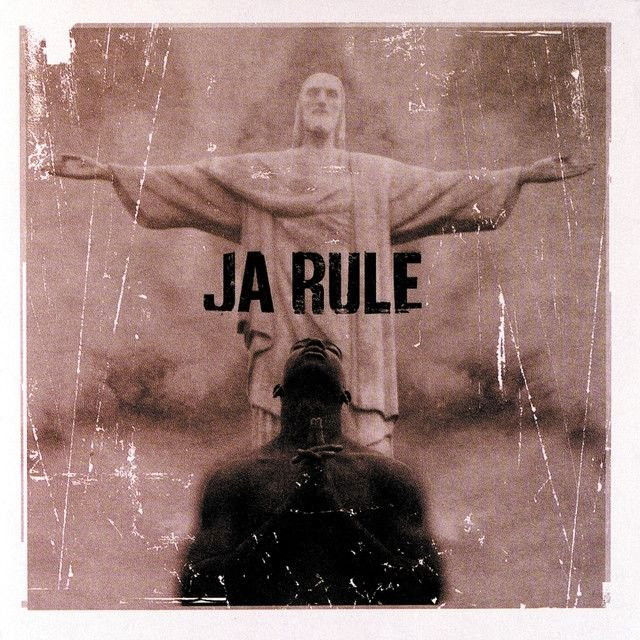
On Ja Rule's 1999 debut album Venni Vetti Vecci, the song stands out because it turns away from battle rhymes and street talk toward something more personal. The album was released on June 1, 1999, as the first release on Murder Inc. and included Ronald Isley as a guest. It also received a music video, which shows the label saw it as an important song in Ja Rule's early image.
A Father Talking Through Fear and Love
At its core, the song is a fatherly warning wrapped in affection. Ja Rule tells his daughter that the world is "shady" and that she will have to protect her dignity and identity. He is not just giving advice about growing up. They are also talking about race, gender, and survival.
Early on, he stresses that skin color does not make her worth any less, then pushes back against shallow status symbols like money and luxury. When he mentions diamonds and leather
, the point is not fashion. It is that material success cannot replace self-respect, cultural pride, or safety.
This makes the song more than a sweet dedication. It is a survival speech. He wants his daughter to grow into a strong Black woman without letting outside pressure define her.
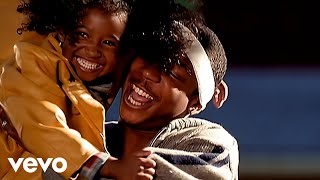
Watch the official Daddy's Little Baby
music video
Race, Gender, and Hard Lessons
One of the song's strongest themes is how Black girls are forced to grow up under pressure. Ja Rule directly frames her life as taking place in a white-dominated society. That detail matters because it changes the emotional weight of the advice. He is not offering generic parenting. They are warning her about systems they believe will judge her before they know her.
He also gives blunt advice about men, love, and deception. Some lines can sound overprotective or even cynical, especially when he warns her about romantic betrayal. Interpretation: this is less about controlling her and more about revealing his mistrust of the world. He assumes pain is coming, so they try to prepare her before it arrives.
That tension gives the song its emotional pull. He wants innocence to last, but he knows it cannot.
The Hook Turns Advice Into a Promise
Ronald Isley's chorus is crucial to the song's meaning. Ja Rule's verses are heavy with warning, but Isley's refrain softens them with devotion. When the hook repeats I'll always come back to you
, the song stops sounding like a lecture and starts sounding like reassurance.
You're my baby now and ever
That brief promise reframes everything around it. The verses say the world is harsh. The chorus says she will not face it alone.
This contrast is why Ronald Isley works so well here. His voice adds warmth, age, and emotional authority. Instead of arguing with Ja Rule's rough delivery, he completes it.
A Personal Story Beneath the Advice
The song becomes more specific as Ja Rule connects his daughter to his own pain. He reflects on hardship, on what he lacked, and on loss inside the family. Those details explain why he sounds so intense. He is not imagining danger in abstract terms. They are speaking from memory.
When he describes seeing stars
in her eyes, that image briefly lifts the track out of fear. It suggests wonder, hope, and possibility. He also says she is the reason he keeps working and pushing through storms. In other words, fatherhood gives purpose to struggle.
Interpretation: the daughter is both a real child and a symbol of redemption. She gives him a reason to become more careful, more thoughtful, and more future-minded than the version of himself shaped by street survival.
Why the Production Matters So Much
The music helps carry this meaning. According to album credit summaries, "Daddy's Little Baby" appears on Venni Vetti Vecci and was produced by Self with Irv Gotti, while also interpolating the Isley Brothers' "Voyage to Atlantis." That connection matters because the beat leans on a soft, soulful feeling instead of pure aggression.
The track moves slowly, giving Ja Rule room to sound reflective rather than explosive. The drums are steady, but the overall atmosphere is warm and hazy. Ronald Isley's presence deepens that mood, making the song feel closer to an R&B confession than a hard-edged rap single.
That style fits what critics often noted about Ja Rule's debut: a rough voice paired with emotionally direct writing. Even in reviews that were mixed on the album overall, writers pointed to his forceful presence. Here, that force is redirected into care.
Where the Song Sits in Ja Rule's Career
This song matters because it shows an early version of what Ja Rule would later do often: mix street rap with melody, vulnerability, and relationship themes. Venni Vetti Vecci reached No. 3 on the Billboard 200 and No. 1 on the Top R&B/Hip-Hop Albums chart, helping establish him as a major late-1990s rap figure.
Within that debut, "Daddy's Little Baby" is one of the clearest signs that they were interested in emotional crossover, not just toughness. A song like this widened his image. He could sound threatening on one track and tender on the next.
The Best Way to Read the Song Today
The meaning of Daddy's Little Baby Ja Rule, Ronald Isley is about a father's attempt to protect his daughter with honesty, even when that honesty is harsh. It is loving, worried, proud, and flawed at the same time.
Its power comes from that mix. The song does not pretend the world is kind. Instead, it says love means telling the truth, offering guidance, and promising to return. That is why it still lands: beneath the warnings and rough edges, it is really a song about responsibility.
Disclaimer: This interpretation is based on the lyrics, performance, and available song context. As with any art, listeners may hear different meanings in it.







