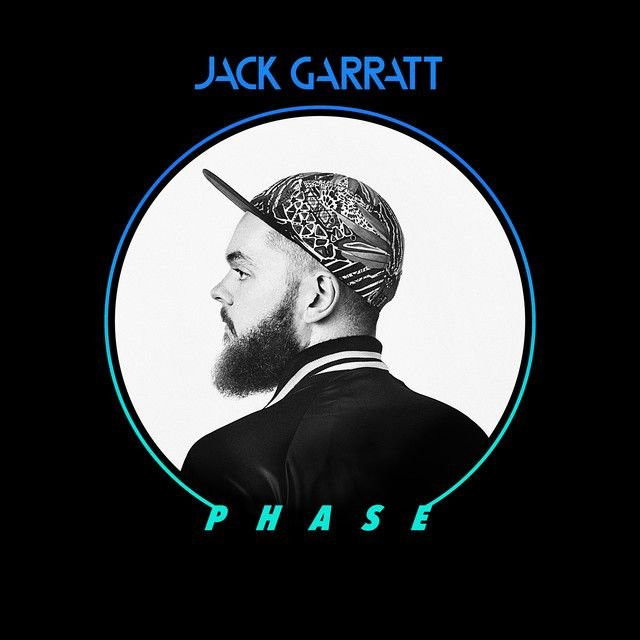
Water by Jack Garratt
The meaning of Water Jack Garratt centers on surrender. The song sounds simple on the page, but its repeated flood imagery turns that simplicity into something intense and uneasy. Rather than describing a clear story, it circles one feeling: the wish to be overtaken, cooled, erased, or remade by something stronger than the self.
"Water" - Jack Garratt
Water wash over me, cool me down
Cool me down
Loading lyrics...
Unable to load lyrics
We're unable to display the lyrics at this time. Please try again later.
Jack Garratt is a British singer, songwriter, and multi-instrumentalist known for blending soul, electronic, and alternative sounds. He wrote the song himself, and that matters here. The track feels personal in the way a sketch or private prayer does, with language stripped down to elemental images rather than detailed explanation. That spare writing style has been part of his wider artistic identity, as shown in artist profiles and release coverage from sources like the BBC and Mercury Prize.
A Song About Wanting Relief and Ruin at Once
At its core, the song presents water as both comfort and threat. Early on, the voice asks to be cooled and washed over, using the phrase cool me down
. That sounds soothing, almost like a request for peace after emotional overheating.
But the language quickly darkens. The repeated plea drown me in the water
is much harsher. Instead of asking for light healing, the speaker seems to want complete immersion. That creates the song's tension: they do not just want relief from pain; they want to disappear into something larger than themselves.
Interpretation: This can suggest emotional exhaustion. Water becomes a force that can numb, cleanse, or destroy. The song never fully separates those ideas, which is why it feels both beautiful and unsettling.

Watch the official Water
music video
The Imagery Works Like a Rising Flood
The lyrics build through movement. Water does not stay still here. It washes, leaves, rises, rolls, drags, and wears things down. Garratt uses that motion to show how emotion can behave like weather or tide.
One key phrase is wear me down
. In plain terms, the speaker is not resisting erosion. They are admitting that time, grief, desire, or pressure has already been grinding them down. That image connects personal feeling to landscape. Valleys are shaped by water over long periods, just as people are shaped by repeated hurt or longing.
Later, the song expands from private emotion to wider destruction with roll through the islands
and streets. The scale suddenly grows. What started as one person's inner flood now feels social and even apocalyptic.
Lose me in the dark
Drag me to the deep
These lines are short, but they deepen the idea of surrender. The darkness and depth suggest the unknown. The speaker is no longer asking just to be rinsed clean. They are asking to go under.
What the Chorus Repeats on Purpose
The refrain matters because it keeps removing any safe distance. Repetition is the song's main tool. By hearing the same request again and again, listeners feel the insistence of a mind stuck on one desire.
This is where the meaning of Water Jack Garratt becomes clearer. The song is not really about literal water. It is about reaching a point where being overwhelmed feels easier than holding oneself together.
Interpretation: The chorus can be heard in at least two ways:
- As a cry for cleansing and renewal.
- As a flirtation with obliteration, where release only comes through total surrender.
Because Garratt never explains which one is true, both stay active at once.
A Strange Line About Dancing Through Disaster
One of the song's most interesting turns is the sudden command to dance through the moonshine
. In context, it arrives next to warning language about things being short-lived. That gives the song a brief human flash in the middle of all the flood imagery.
Instead of resisting doom, the line suggests living inside it. If everything is temporary, then the answer may be to love, dance, and move anyway. The image does not cancel the darkness around it. It makes the darkness feel even more real.
This section also broadens the song beyond one private breakdown. It hints at community, mortality, and the fragile pleasures people cling to when they know peace will not last.
How the Sound Carries the Meaning
Musically, the track supports this interpretation through repetition, space, and pressure. Garratt is known for building songs from layered vocals, percussion, and electronic textures, often performing as a one-person live force, as noted in coverage from NPR and the GRAMMYs.
In “Water,” the production feels stripped back but physical. The beat and vocal loops create a ritual quality, almost like a chant. That matters because the lyrics are also chant-like. The music does not distract from the words; it traps the listener inside them.
There is also a bodily weight in the song's low end and vocal delivery. Garratt sings with urgency, but not with wild chaos. He sounds controlled, which makes the desperation more convincing. The effect is like someone calmly asking for something extreme.
The Best Way to Read the Song
The strongest reading is that “Water” explores the thin line between cleansing and collapse. Water can heal, but it can also erase. Garratt uses that double meaning to write a song about emotional surrender without turning it into a neat confession.
That ambiguity is why the track lasts in the mind. Listeners can hear burnout, desire, grief, spiritual longing, or even a wish to be remade by love. All of those readings fit the imagery.
In the end, the meaning of Water Jack Garratt lies in that unresolved pull: the speaker wants peace, but they imagine peace as total immersion. That is what gives the song its haunting power.
Disclaimer: This interpretation is based on the lyrics, performance, and available artist context. As with most songs, meaning can vary from listener to listener.









